The challenge
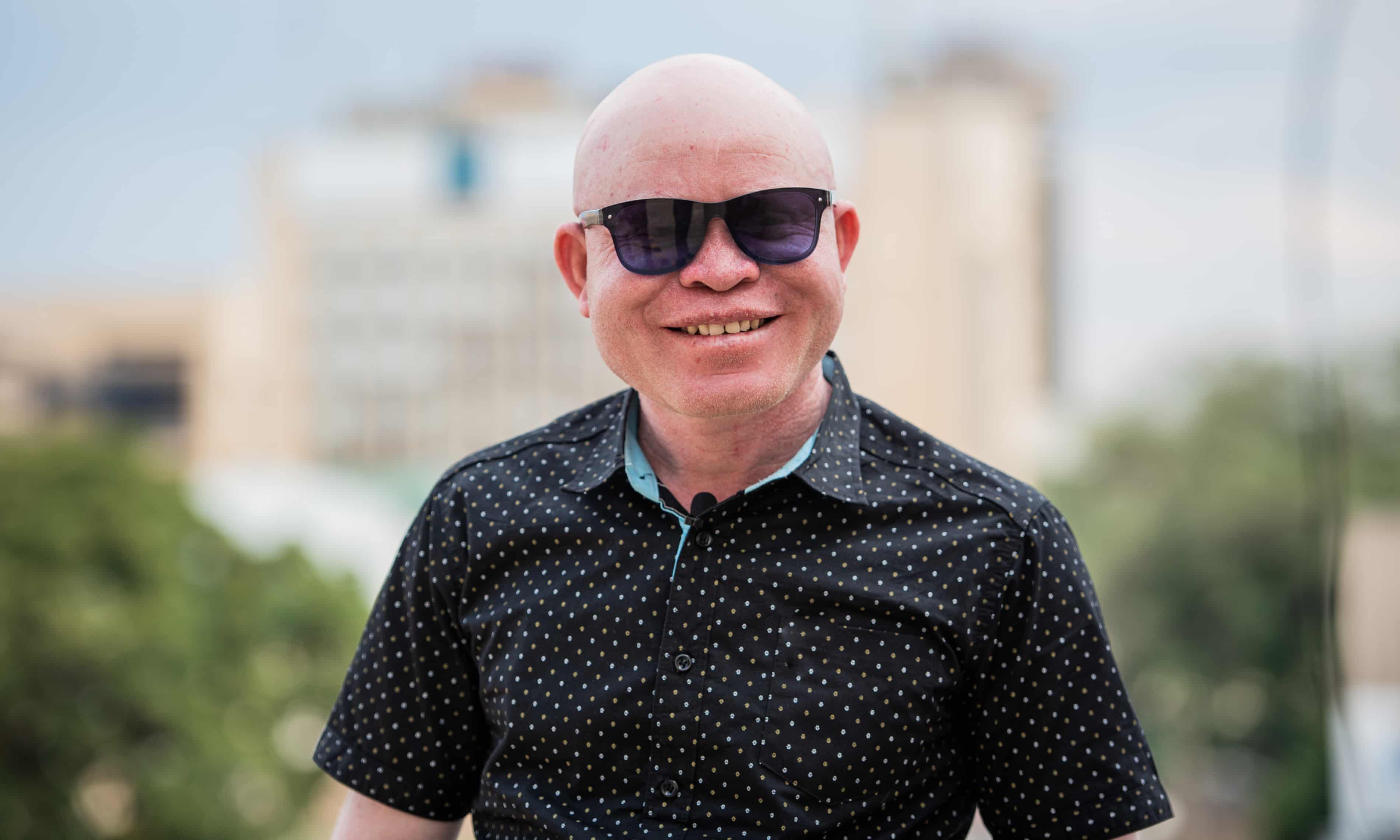
Although albinism is a genetic condition, many people still misunderstand it. Throughout his life, John has encountered myths, stereotypes, and discrimination because of the way he looks. In many parts of Africa, people with albinism are often viewed as different, abnormal, or even associated with harmful superstitions.
These misconceptions can affect nearly every aspect of life, including education, employment, healthcare, and social relationships. Many people with albinism face prejudice not because of the condition itself, but because of a lack of public understanding.
What helped
Through education and awareness, John learned that albinism is not something to be ashamed of. Over the years, he has used his voice as both a musician and advocate to help others understand the reality of living with albinism.
By sharing his own experiences and speaking publicly about the condition, he has helped challenge misconceptions and encourage more acceptance. His work has allowed many people to see albinism for what it truly is—a genetic condition, not a limitation.
In their words
When asked how he would describe albinism, John explains that it is a genetic condition in which the body produces little or no melanin, the pigment responsible for the color of a person’s skin, hair, and eyes. While albinism affects appearance and can cause visual impairment, John believes that the greatest challenges often come from society’s misunderstanding of the condition.
Having experienced discrimination, bullying, and harmful misconceptions throughout his life, John became determined to change the way people view albinism. He wanted others to understand that people with albinism are not defined by their appearance and deserve the same opportunities, respect, and protection as everyone else.
This commitment led him to become more than a musician. John founded the Albinism Foundation of Zambia, an organization dedicated to supporting people with albinism and raising public awareness about the challenges they face. Through the foundation, he has worked to educate communities, challenge myths and stigma, advocate for equal rights, and promote greater access to healthcare and support services.
John has used both his music and his advocacy to amplify the voices of people with albinism. By sharing his own experiences and helping others tell their stories, he has become one of Zambia’s leading advocates for albinism awareness.
Today, his work continues to inspire people across Zambia and beyond. Through education, advocacy, and community outreach, John hopes to create a future where people with albinism are understood, accepted, and given the opportunity to reach their full potential.