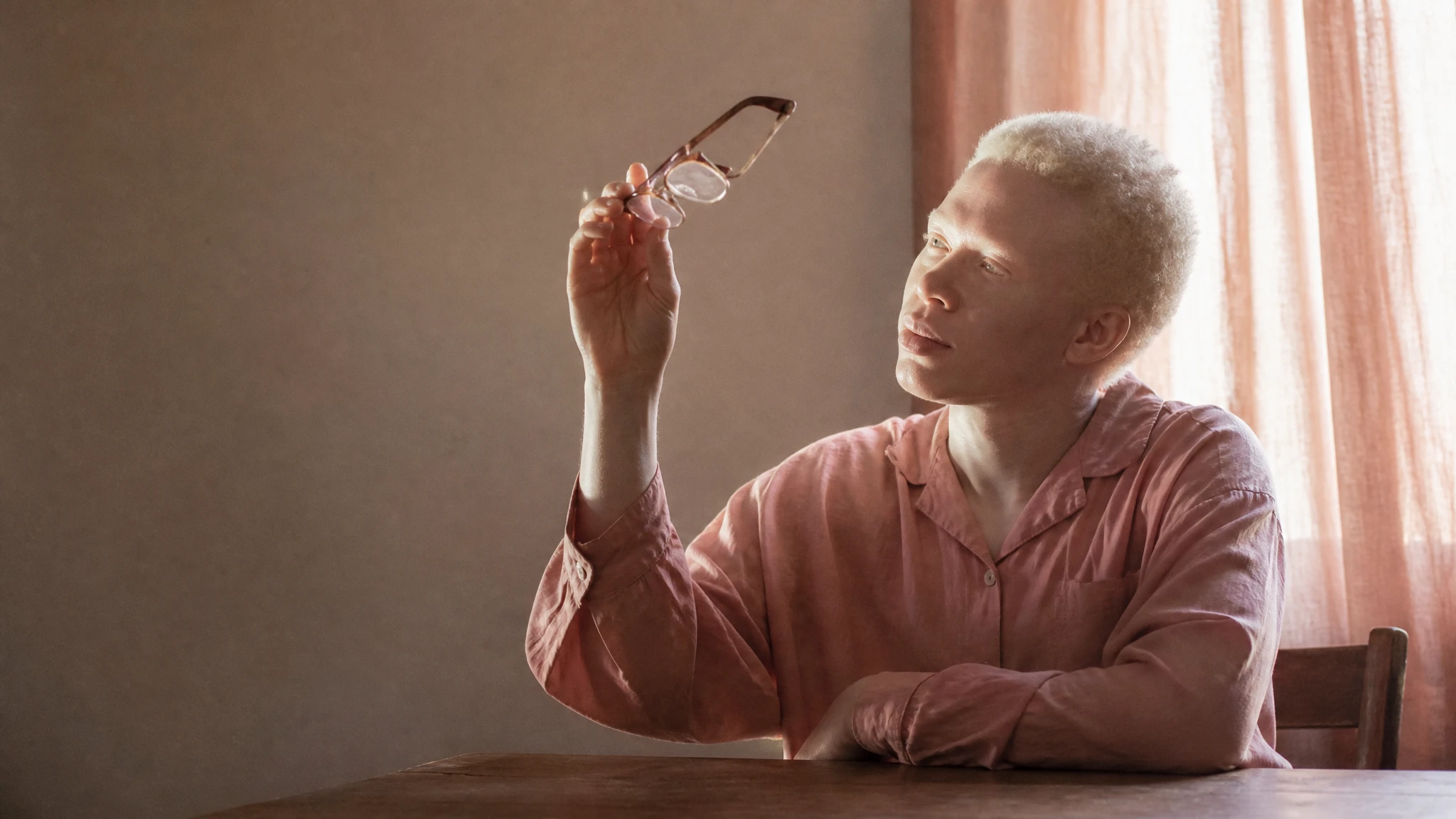
New research using zebrafish embryos shows how a key albinism gene shapes the eye during early development, offering clues to the vision differences common in albinism.
A small, translucent fish is helping scientists understand one of the most consistent features of albinism: differences in how the eye develops before birth.
Researchers used zebrafish embryos to examine the role of a gene associated with albinism during the earliest stages of eye formation, according to findings reported by News-Medical. Zebrafish are a common model in developmental biology because their embryos are transparent, making it possible to observe cellular changes in real time.
The study found that the albinism-associated gene plays an active role in shaping eye structures during embryonic development, the researchers reported. This is distinct from the gene's better-known function in pigment production. The findings suggest the gene is doing more than one kind of work in the developing body.
What the findings add
Vision differences — including reduced visual acuity, nystagmus, and abnormal development of the fovea — are present in most people with albinism, regardless of skin or hair tone. Until now, researchers understood these differences to be connected to the absence of melanin in the eye during development. This study points toward a more specific mechanism, according to News-Medical's reporting on the research.
The zebrafish model allowed the team to observe how disrupting the gene affected eye structure at a cellular level, the study found. The researchers identified changes in the organisation of retinal cells during the embryonic window when the eye's basic architecture is being established.
The gene's influence on eye formation appears to operate through pathways that are partially independent of pigmentation, the researchers reported. That distinction matters: it opens the possibility that vision outcomes in albinism involve biological processes that could, in future research, be approached separately from pigment-related pathways.
Why this matters for the community
For people with albinism, vision is rarely a footnote. Low vision shapes how children learn to read, how adults navigate workplaces, and how communities design accommodations. Research that clarifies the biological origins of these differences lays groundwork for more targeted approaches, even if clinical applications remain distant.
This study does not propose a treatment. What it offers is a clearer picture of what is happening, and when, in the developing eye — a picture that has been incomplete for a long time.
The research was reported by News-Medical and adds to a growing body of work using zebrafish models to study the genetics of albinism.
Keywords
Core topics and entities mentioned in this summary.