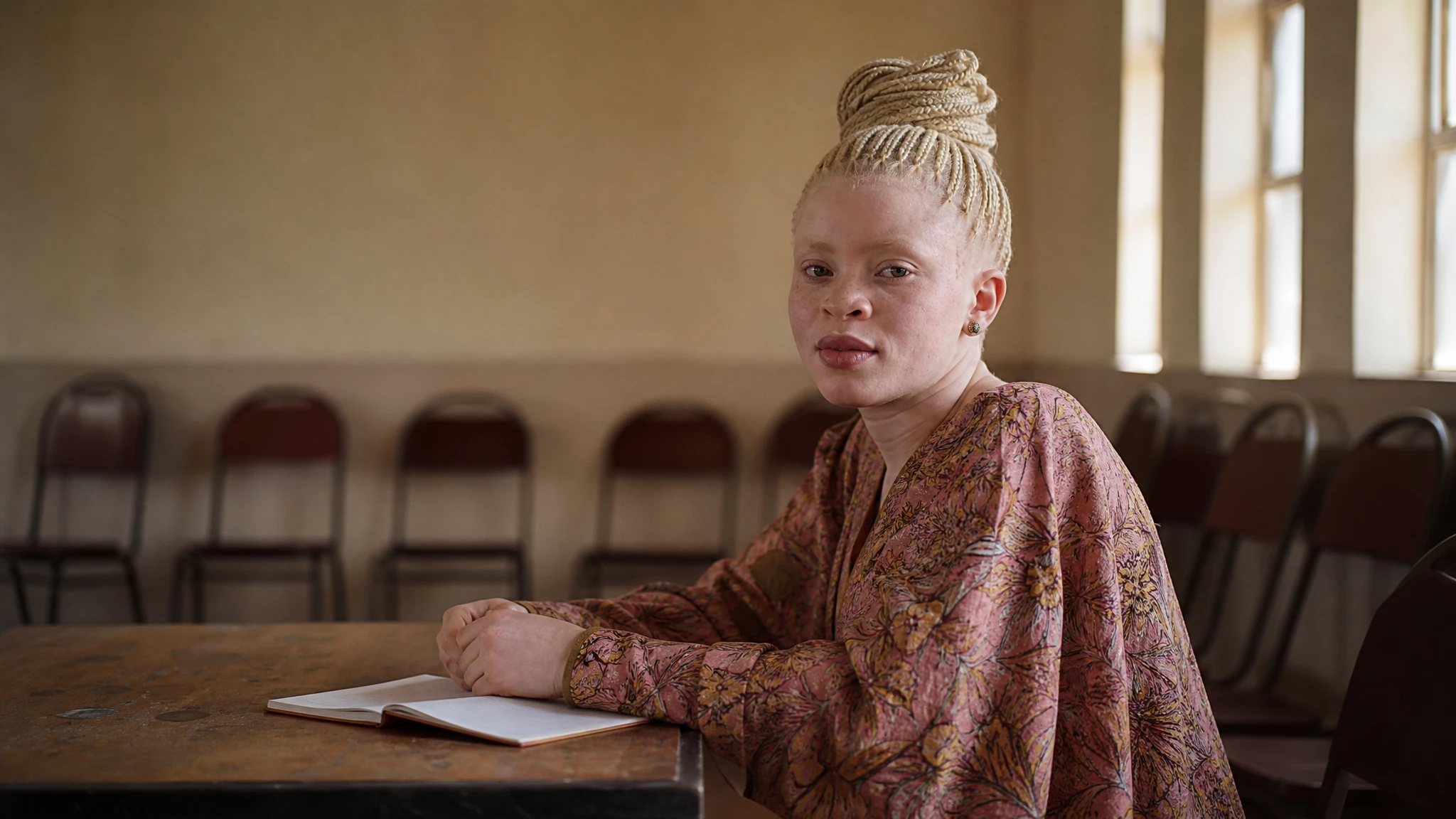
A Kenyan commentary argues that people with albinism need structural investment and equal opportunity, not charitable pity. The distinction matters.
A single word separates two very different relationships: support and sympathy. One opens doors. The other keeps people standing outside them, grateful for the view.
Writing in The Star Kenya, the piece argues that people with disabilities — including people with albinism — are consistently met with emotional responses where practical ones are needed. Sympathy, the commentary notes, positions the recipient as someone to be pitied. Support positions them as someone with potential that systems have failed to meet.
The article draws a clear line between the two. Sympathy asks nothing of the person offering it. Support requires investment — in accessible infrastructure, in employment pathways, in education designed to include rather than accommodate at the margins.
What investment actually looks like
The commentary points to several areas where meaningful change remains slow. People with albinism in Kenya, the piece notes, continue to face barriers in workplaces that do not account for low vision, in schools without adequate UV protection or adapted materials, and in public health systems where specialist dermatology and ophthalmology care remain financially out of reach for most families.
The article argues that framing these gaps as charity opportunities — rather than failures of policy — is itself part of the problem. When disability is treated as a welfare issue rather than a rights issue, the solutions tend to be short-term and contingent on goodwill rather than built into law.
The shift from sympathy to support, the piece suggests, is not semantic. It changes who holds accountability. Sympathy keeps accountability with the giver. Support places it with institutions — governments, employers, schools — that have the power to create lasting change.
The commentary also addresses the economic case directly. People with albinism and other disabilities, it argues, represent an undertapped workforce. Inaccessible environments and discriminatory hiring practices are not natural facts; they are design failures. Correcting them, the article contends, benefits economies as well as individuals.
The role of the community itself
The piece does not position people with albinism solely as recipients of external action. It calls on the community to document its needs clearly, engage with policy processes, and hold representatives accountable. Visibility in civic life, the commentary argues, is part of what converts sympathy into systemic change.
Organisations working on albinism advocacy across East Africa have made similar arguments for years — that awareness campaigns, while useful, must connect to concrete policy asks if they are to produce durable outcomes.
The article closes on a point that the albinism community will recognise: dignity is not something to be granted through kindness. It is something owed through equal participation in the structures that shape everyday life.
Keywords
Core topics and entities mentioned in this summary.