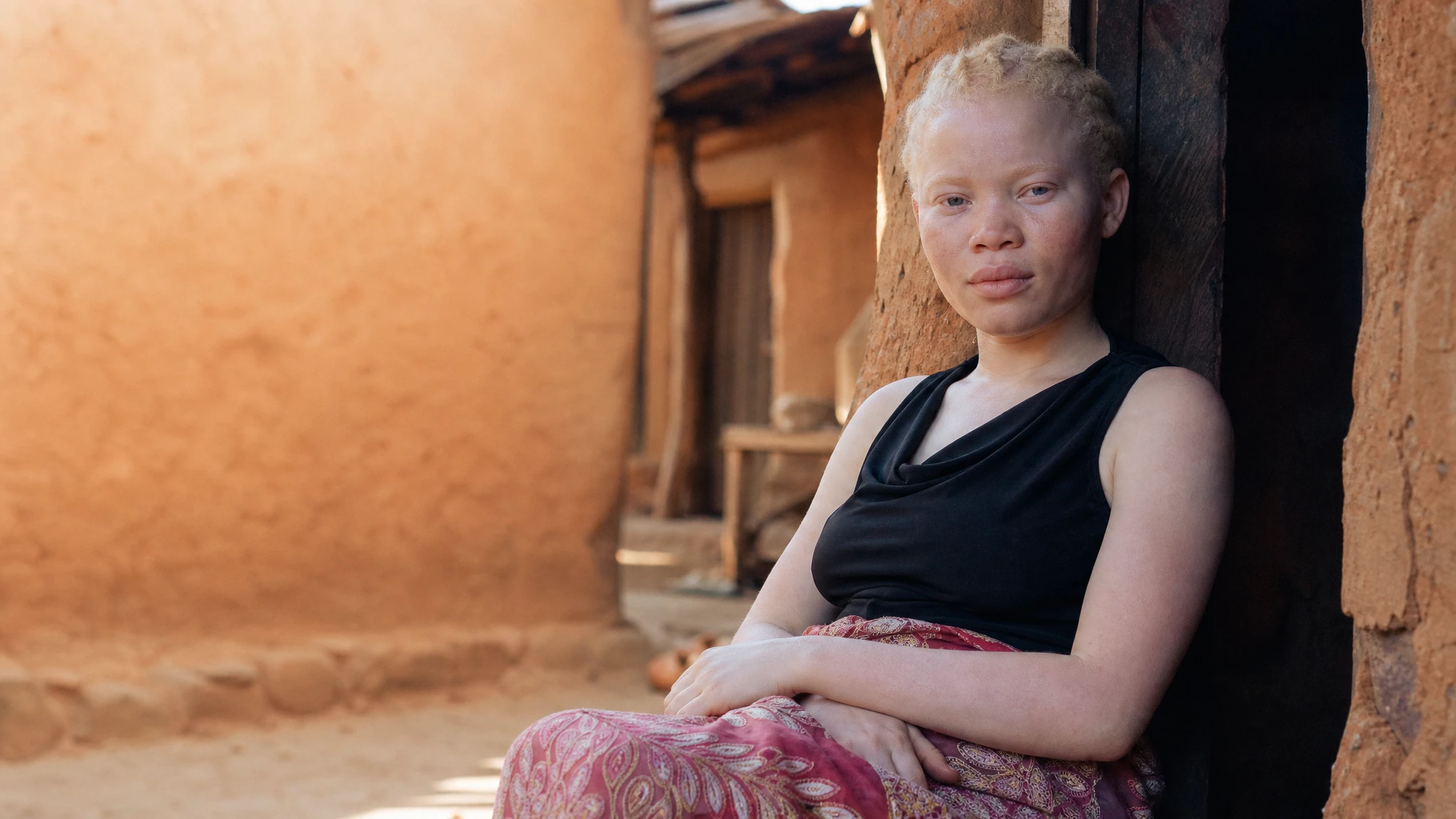
A new Human Rights Watch report details killings, attacks, and discrimination facing people with albinism in Malawi, where harmful beliefs drive demand for body parts.
A severed limb. A grave robbed overnight. These are not abstractions in Malawi — they are documented events, recorded in a new report by Human Rights Watch on the violence and discrimination facing people with albinism in the country.
The report, published by Human Rights Watch, finds that people with albinism in Malawi face persistent threats to their physical safety, driven by beliefs that their body parts carry magical properties. Attackers have killed, dismembered, and exhumed the remains of people with albinism, according to the organisation's findings. The trade in body parts is linked to practitioners who sell them for use in ritual medicine.
A pattern the state has failed to break
Human Rights Watch reported that Malawi's government has taken some steps to respond — including arrests and, in a small number of cases, prosecutions. But the organisation found that convictions remain rare, and that many attacks go unreported because victims and their families fear retaliation or distrust local authorities.
People with albinism in Malawi also face discrimination beyond physical violence, the report found. Exclusion from schools, workplaces, and community life compounds the harm. Some families, Human Rights Watch noted, have concealed children with albinism out of fear — limiting their access to education and health services, including the sun protection they require.
Malawi has one of the highest rates of albinism in the world, with estimates suggesting approximately one in 1,500 people is born with the condition, according to figures cited by albinism advocacy organisations. That prevalence makes the scale of targeted violence particularly acute.
Human Rights Watch called on the Malawian government to strengthen law enforcement responses, ensure that prosecutors treat attacks on people with albinism as serious crimes, and invest in public education to address the beliefs that sustain the market for body parts.
The organisation also urged international donors and the United Nations to increase pressure on Malawi to implement the recommendations of the UN Independent Expert on the enjoyment of human rights by persons with albinism, a mandate that has documented similar patterns across Sub-Saharan Africa.
For communities already living with the daily management of sun exposure, low vision, and limited access to specialist care, the added reality of physical targeting creates a compounded vulnerability that policy responses have so far struggled to match.
Keywords
Core topics and entities mentioned in this summary.