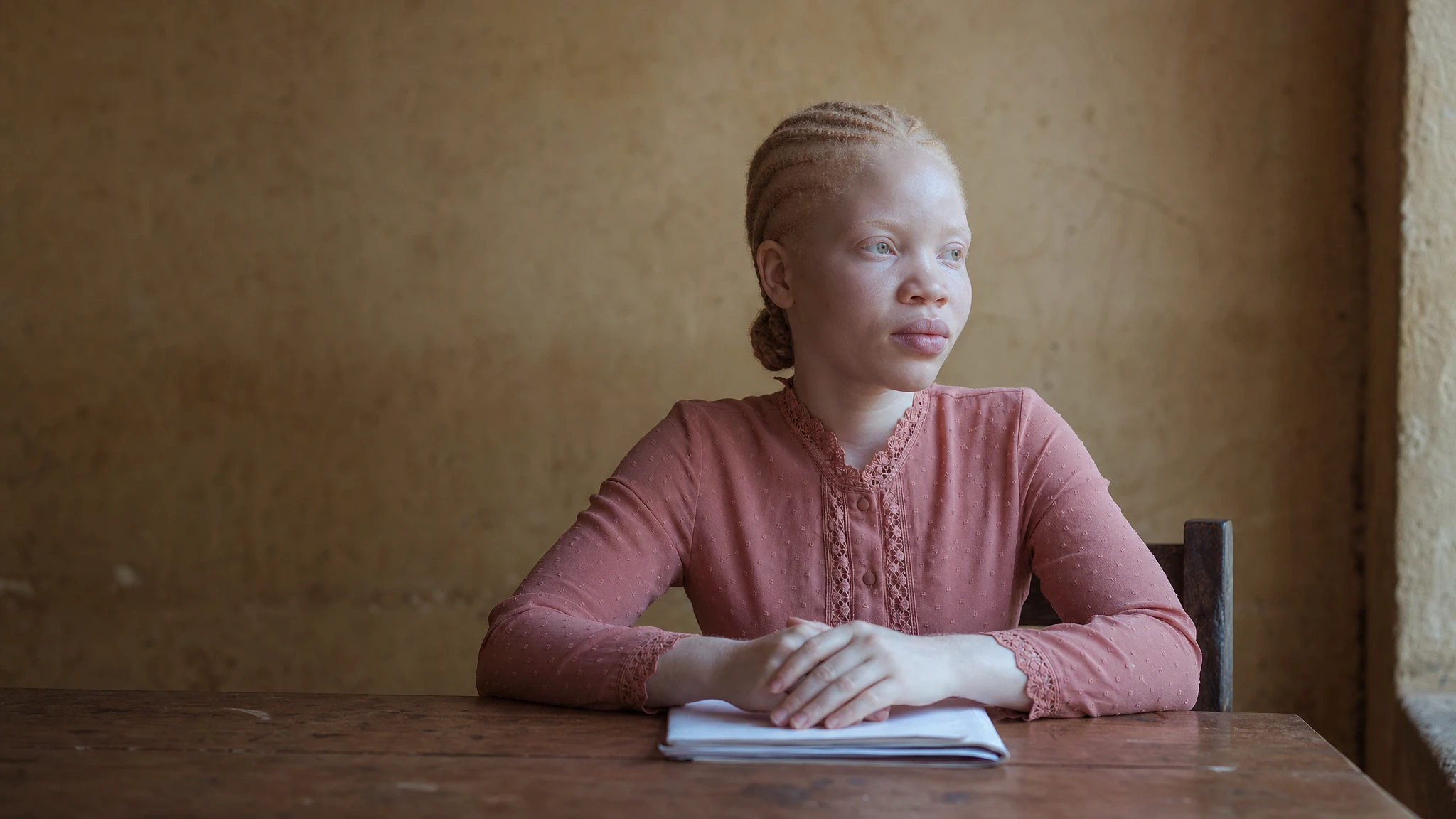
The UN's Universal Periodic Review examined how Uganda is protecting the rights of people with albinism. Key concerns remain unresolved.
A United Nations human rights mechanism has turned its attention to Uganda, reviewing the country's record on protecting people with albinism under the Universal Periodic Review process, according to the Office of the UN High Commissioner for Human Rights.
The Universal Periodic Review is a process in which every UN member state's human rights record is examined by the international community. Uganda's review included scrutiny of conditions faced by Ugandans with albinism — a group that, across the East African region, has faced discrimination, social exclusion, and in some cases, targeted violence.
The OHCHR's Independent Expert on the enjoyment of human rights by persons with albinism has previously documented patterns of stigma and harmful practices affecting this community across sub-Saharan Africa. Uganda has not been immune to those patterns. People with albinism in Uganda have reported difficulties accessing education, healthcare, and meaningful protection under the law, according to submissions gathered during past review cycles.
The Universal Periodic Review process allows civil society organisations and affected communities to submit evidence alongside government reports. Recommendations made through the review are not legally binding, but states are expected to respond to them and report on progress.
What happens after a review depends largely on whether a government accepts the recommendations put to it — and whether international pressure translates into domestic policy change.
Keywords
Core topics and entities mentioned in this summary.