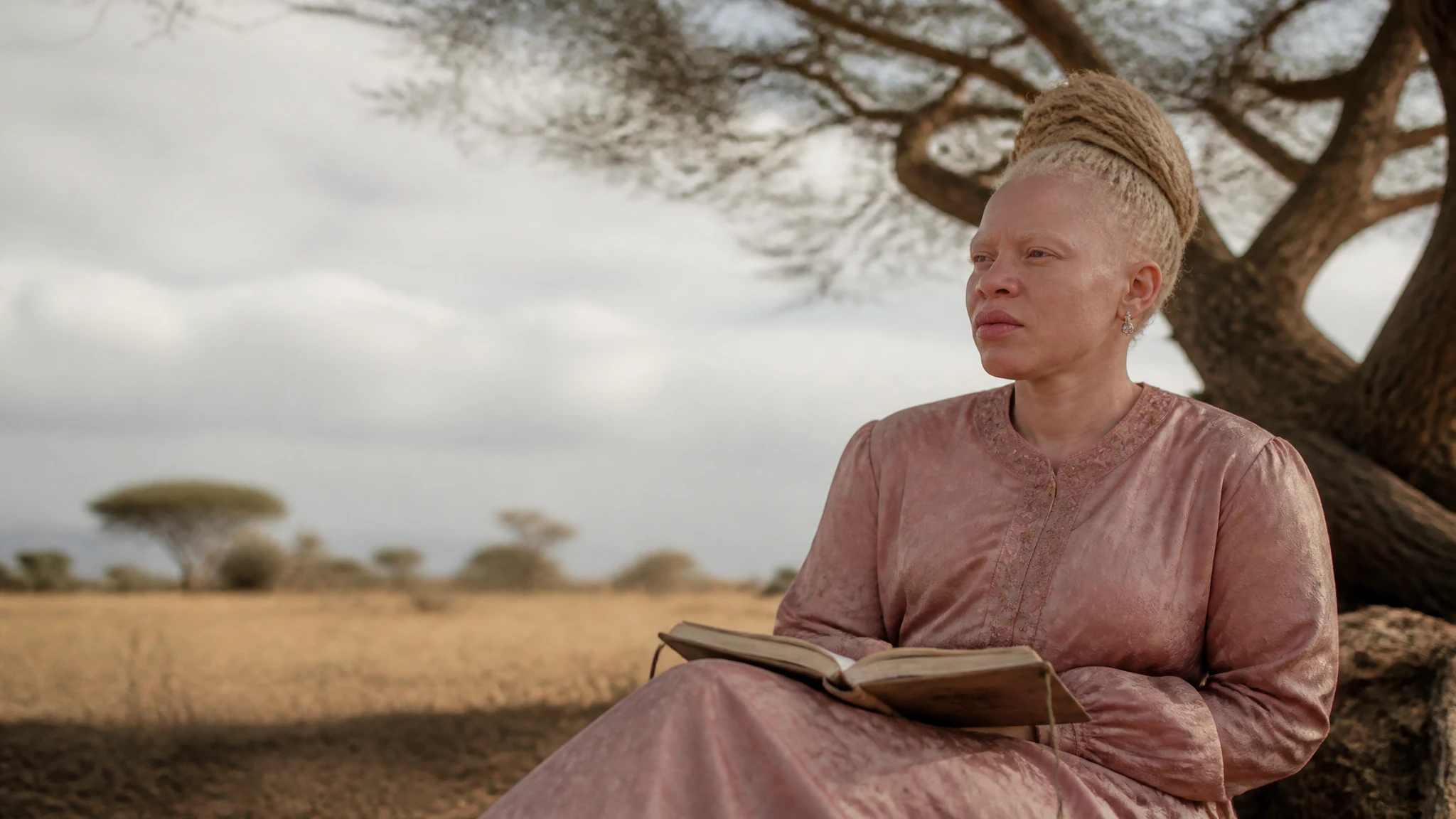
The UN Independent Expert on Albinism has turned attention to Tanzania, where people with albinism continue to face ritual attacks and barriers to basic rights.
A single country has drawn the attention of the United Nations Independent Expert on Albinism more consistently than any other. Tanzania, home to one of the largest populations of people with albinism in sub-Saharan Africa, remains a focal point in the Expert's ongoing work, according to the Office of the High Commissioner for Human Rights (OHCHR).
The OHCHR's mandate page for Tanzania documents the country's continued relevance to international human rights monitoring. People with albinism in Tanzania face a specific and documented pattern of violence: ritual attacks in which body parts are taken for use in witchcraft-related practices, according to years of reporting by the UN and regional civil society organisations.
A pattern that persists
The UN Independent Expert on Albinism — a role established by the Human Rights Council — holds the mandate to examine, monitor, and report publicly on the situation of people with albinism worldwide. Tanzania has featured in multiple reports under this mandate. The Expert has documented not only physical violence but also discrimination in education, healthcare, and economic life, according to OHCHR records.
Childhood is a particular period of risk. Children with albinism in Tanzania have been removed from family settings, targeted in attacks, and in some cases killed, according to documentation gathered by human rights bodies and local organisations including Under the Same Sun, a Tanzania-based advocacy group that has tracked cases for over a decade.
The Tanzanian government has taken steps in response to international pressure — arresting perpetrators, establishing protective safe houses, and issuing public statements — but the UN Expert has noted, in previous reports, that enforcement remains inconsistent and that underlying beliefs driving the attacks have not been sufficiently addressed through public education.
Rights beyond physical safety
The OHCHR's focus on Tanzania extends beyond violence. People with albinism in the country face significant barriers to education and employment, compounded by limited access to sunscreen, low-vision support, and specialist dermatological care, according to reports submitted under the mandate.
In rural areas especially, access to sun protection is unreliable. Prolonged UV exposure without protection leads to a high rate of skin cancer among people with albinism — a preventable condition that, according to the UN Expert's reporting, claims lives that adequate healthcare could save.
The intersection of myth, poverty, and weak institutional response creates conditions in which people with albinism in Tanzania remain among the most exposed populations on the continent, according to the OHCHR's own characterisation of the mandate's priorities.
Keywords
Core topics and entities mentioned in this summary.