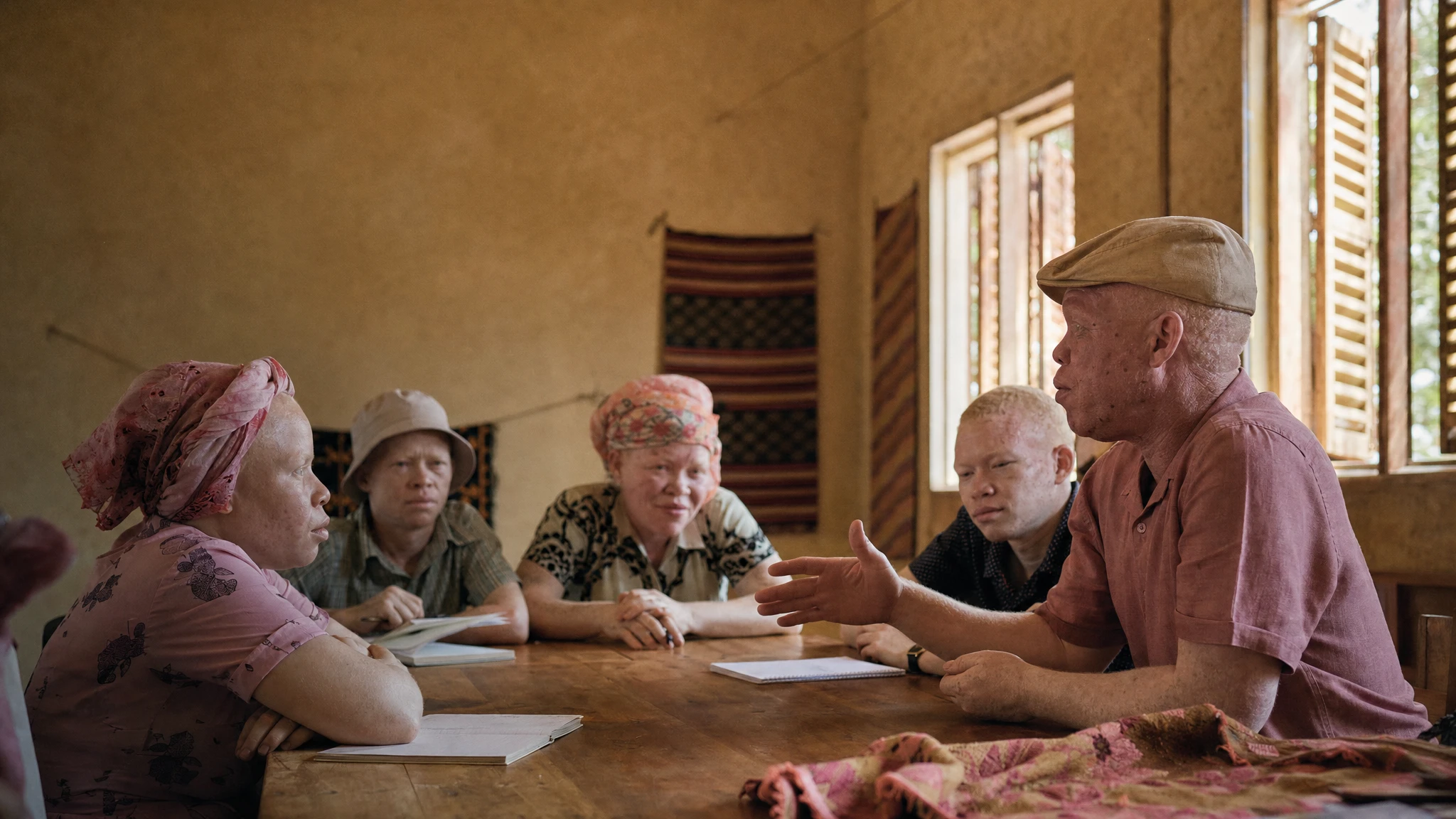
UNESCO and partner organisations met in Zimbabwe to coordinate efforts protecting the rights of people with albinism. The collaboration focuses on reducing discrimination and improving access to services.
A meeting in Zimbabwe brought together UNESCO and several partner organisations to align their work on behalf of people with albinism in the country. The gathering, reported by UNESCO, marks a deliberate step toward coordinated action rather than fragmented individual efforts.
Zimbabwe is home to a significant population of people with albinism, who face compounding challenges: limited access to sunscreen and eye care, discrimination in education and employment, and, in some parts of the region, the persistent threat of ritual attacks. UNESCO's involvement signals that these issues are being recognised at an international institutional level.
According to UNESCO, the collaboration aims to strengthen the protection of rights and improve conditions for people with albinism across the country. The organisation did not release a full breakdown of specific programmes or timelines in its initial report, but framed the meeting as a foundation for structured, ongoing partnership.
Coordination between international bodies and local organisations has historically been one of the more practical levers for change in the region. When institutions align on shared goals, according to advocates working in Sub-Saharan Africa, resources reach communities more directly and policy recommendations carry more collective weight.
For Zimbabwe's albinism community, the significance of this meeting will depend on what follows it.
Keywords
Core topics and entities mentioned in this summary.