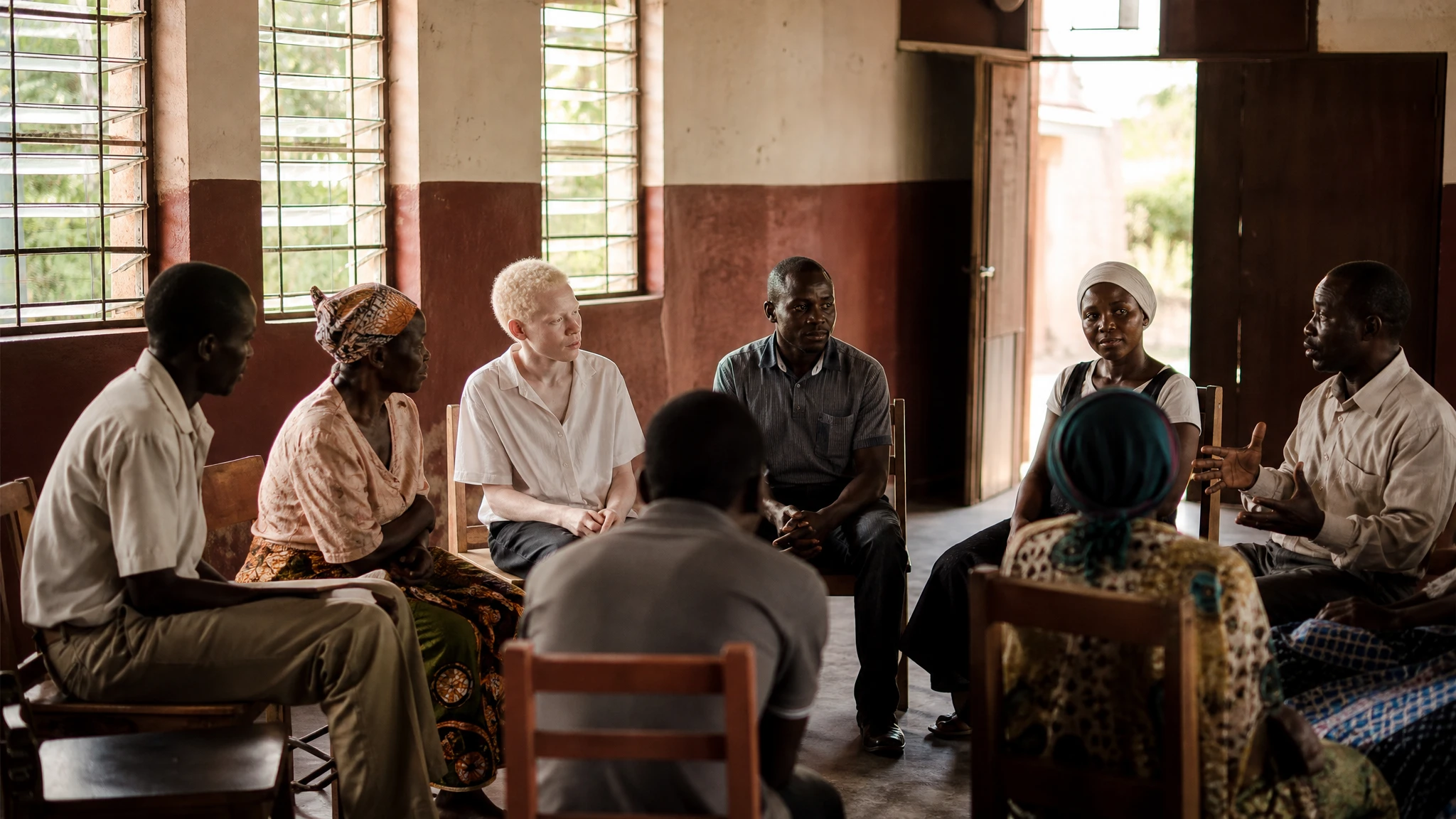
The OHCHR has established a presence in Malawi, bringing international human rights monitoring closer to a country where people with albinism face serious risks.
A small office can carry significant weight. The United Nations Human Rights office — OHCHR — has established a formal presence in Malawi, according to a notice published on the OHCHR website.
Malawi has long been identified by the UN's Independent Expert on the rights of persons with albinism as one of the countries where people with albinism face the highest rates of attack, abduction, and killing connected to ritual practices. The Independent Expert has visited Malawi multiple times and documented cases in which body parts of people with albinism were sought for use in witchcraft.
The arrival of a UN Human Rights presence in-country means that monitoring, reporting, and direct engagement with Malawian authorities can happen closer to the ground. OHCHR country offices typically work with national human rights institutions, civil society organisations, and government ministries to track violations and support accountability mechanisms.
For the albinism community specifically, an in-country OHCHR presence could mean faster documentation of attacks, more direct communication with the families of victims, and stronger pressure on the justice system to prosecute perpetrators — a process that, according to previous UN reporting, has remained inconsistent.
The OHCHR has not yet published a detailed programme of work for the Malawi office. The scope of its mandate, staffing, and specific focus areas remain to be confirmed.
Keywords
Core topics and entities mentioned in this summary.