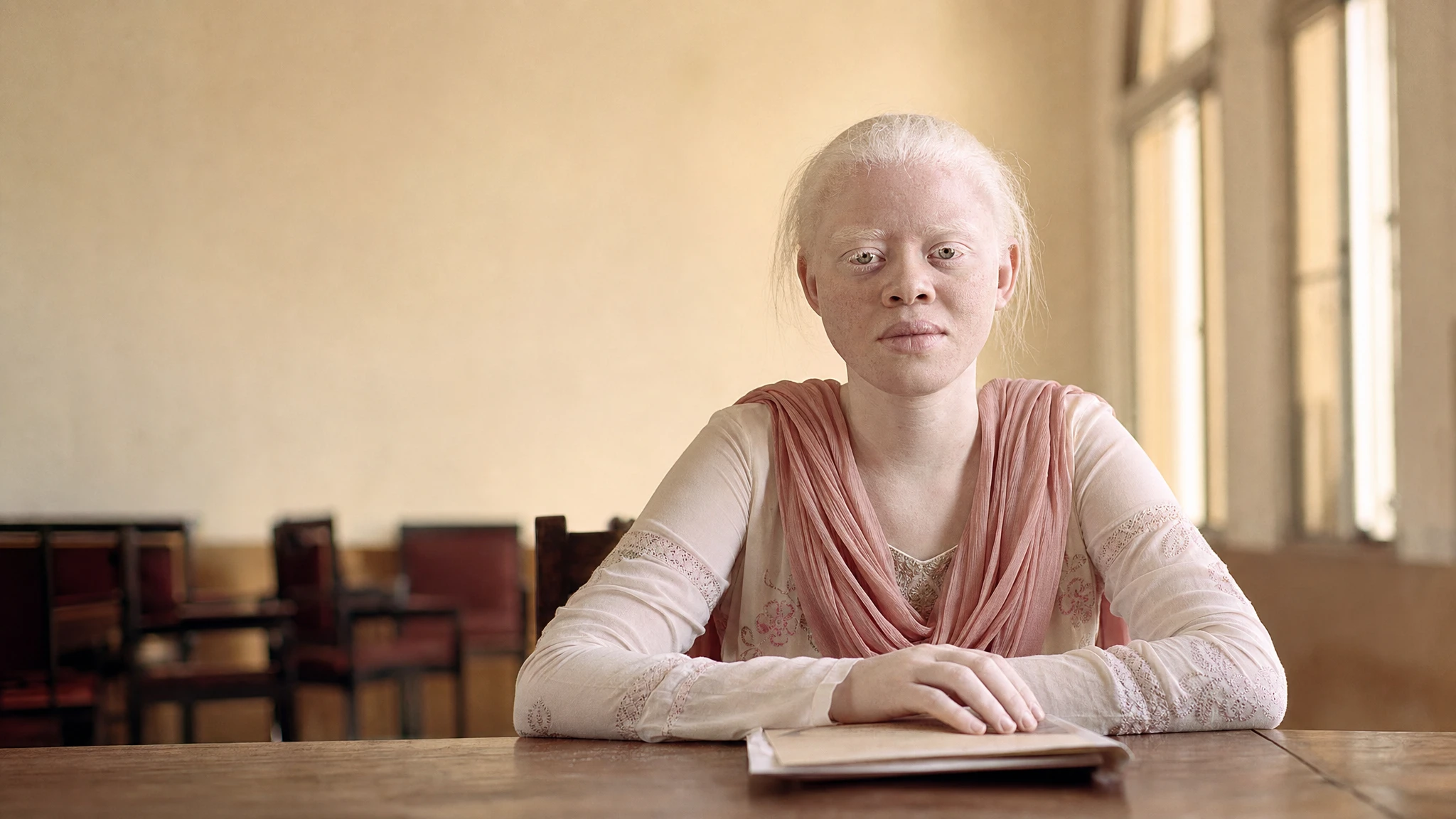
A UN human rights expert has urged Pakistan's government to strengthen legal protections for people with albinism, citing discrimination and lack of support.
A United Nations human rights expert has formally called on the government of Pakistan to do more to protect people with albinism living within its borders, according to reporting by Jurist.org.
The call came from a UN Special Rapporteur, whose mandate includes monitoring the rights of people with albinism globally. The expert urged Pakistani authorities to address the discrimination, social exclusion, and lack of access to services that people with albinism in the country regularly face, the report said.
Jurist.org did not detail the specific incidents or cases that prompted the intervention, but such communications from UN Special Rapporteurs typically follow documented patterns of harm — whether systemic neglect, barriers to healthcare, or failures of legal recognition.
A gap in formal protection
Pakistan does not currently have specific legal provisions addressing the rights of people with albinism, according to the report. The UN expert's statement called for that gap to be closed, asking authorities to bring national policy in line with international human rights standards.
The appeal echoes similar interventions the same mandate has made in countries across Sub-Saharan Africa, where attacks on people with albinism — particularly related to ritual practice — have drawn sustained international attention. Pakistan presents a different but related set of concerns: social stigma, inadequate access to sun protection and low-vision services, and limited awareness within medical and educational systems, the report suggested.
The UN Special Rapporteur on the rights of persons with albinism was established in 2015, making it one of the newer thematic mandates within the UN human rights system. Its work spans advocacy, country visits, and direct communications with governments.
For communities with little institutional visibility, a formal UN communication carries practical weight. It creates a record. It names a government. It sets expectations that will be revisited.
Pakistan's response to the expert's call, if any, had not been reported at the time of publication.
Keywords
Core topics and entities mentioned in this summary.