A new study published in Nature identifies the genetic pathways that cause a rare tea plant to grow without pigment, offering clues relevant to albinism research.
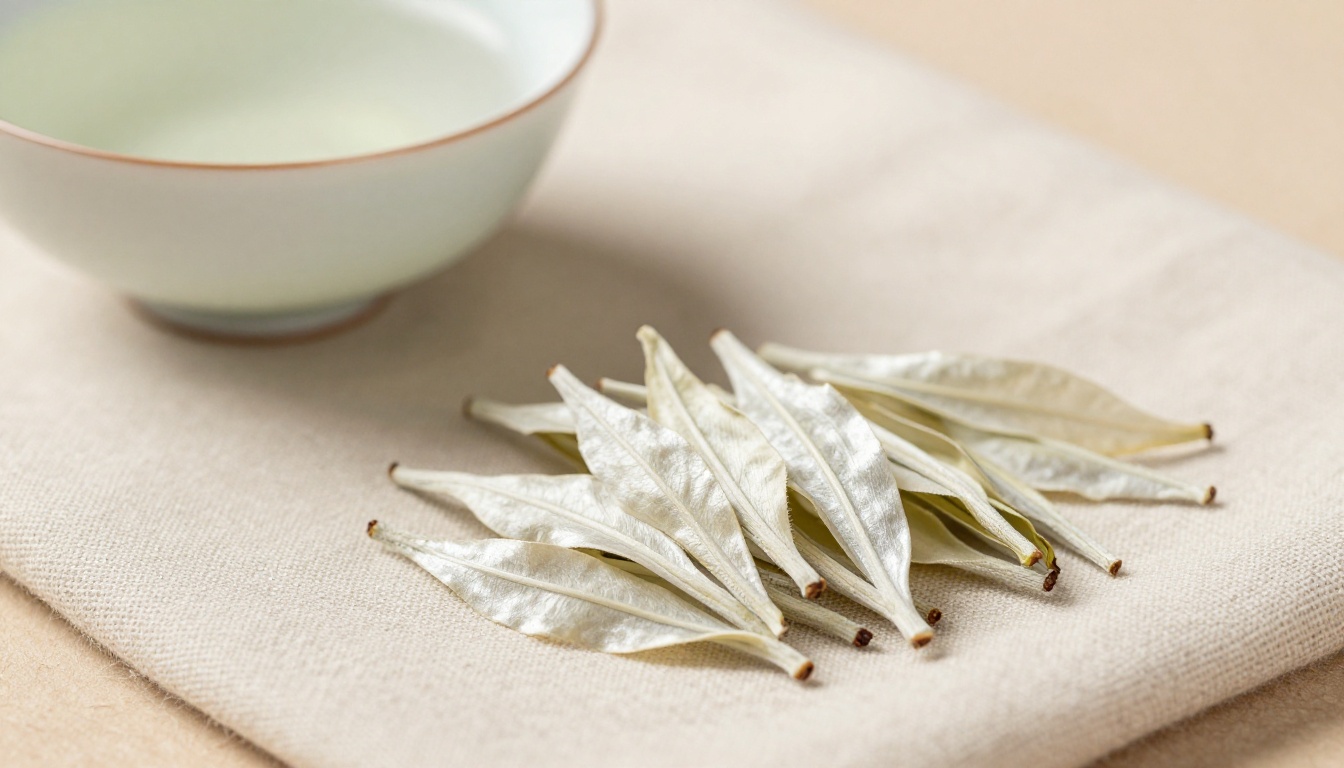
A tea plant in China grows leaves that are almost entirely white. The cultivar, known as 'Huabai 1', produces no meaningful chlorophyll under certain conditions — a trait that makes it commercially prized and scientifically unusual in equal measure.
Researchers studying 'Huabai 1' wanted to understand exactly which genes drive that absence of pigment. Using transcriptomic analysis — a method that reads which genes are actively expressed in a cell — the team identified a set of albino-associated genes responsible for the plant's distinctive colouring, according to the study published in Nature.
The findings centre on disruptions to the pathways that normally produce chlorophyll and other pigments. The study found that several genes involved in chloroplast development were either suppressed or absent in the white-leafed plant, effectively switching off the biological machinery that generates colour.
What the plant can teach us
Plant albinism and human albinism operate through different biological mechanisms — one involves chlorophyll, the other melanin. But researchers have long noted that studying pigmentation loss across species can illuminate shared genetic logic, particularly around how pigment-producing cells develop and fail.
The study does not make direct claims about human albinism. What it contributes is a more detailed map of how albino-associated genes behave at the transcriptomic level — a layer of biological data that is increasingly relevant to pigmentation science broadly.
Transcriptomic profiling of this kind allows scientists to observe not just which genes exist in an organism, but which are turned on or off at a given moment. That precision, the researchers reported, helped them distinguish genes central to the albino trait from those that vary for other reasons.
The study adds 'Huabai 1' to a small but growing library of albino germplasms — plant varieties with stable, heritable pigmentation loss — that serve as models for this type of research.
For readers tracking the broader science of pigmentation, the study is a methodological marker: transcriptomic tools are becoming standard in albinism-adjacent research, and the gene candidates identified here may inform future work in animal and human contexts.
Keywords
Core topics and entities mentioned in this summary.