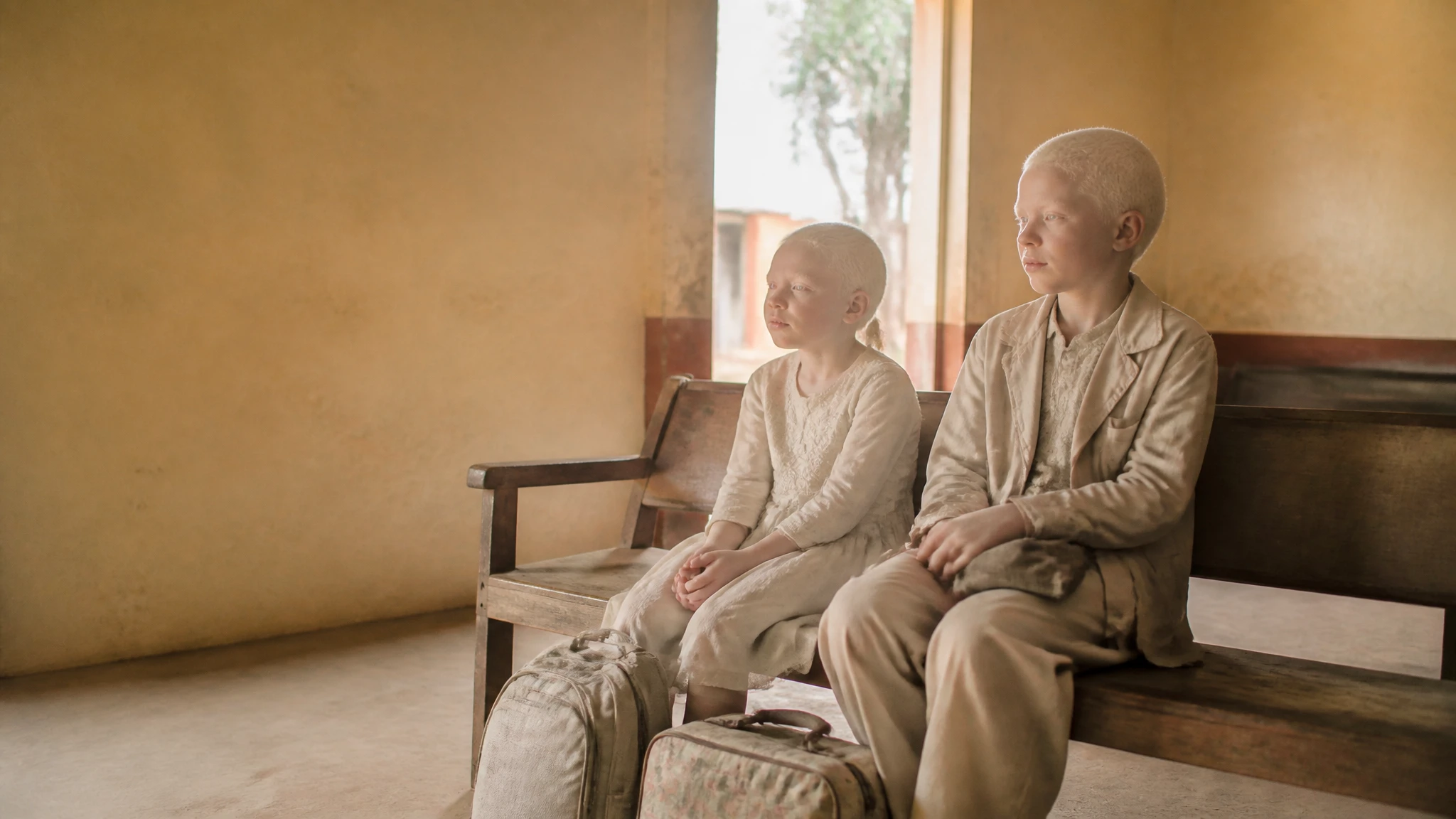
Children with albinism who were brought to the United States after surviving attacks in Tanzania now face an uncertain return home.
A group of children with albinism who survived violent attacks in Tanzania — attacks carried out to harvest their body parts for use in ritual practices — now face the prospect of returning home from the United States, Reuters reported.
The children had been brought to the US for medical treatment and safety after suffering injuries in a country where, according to Reuters, people with albinism are targeted by those who believe their limbs and organs carry magical properties. The belief has no basis in fact, but it has driven a sustained pattern of violence across Tanzania for more than a decade.
Reuters reported that the children's future became uncertain as their time in the US drew toward a close, raising questions about what protection would await them upon return. Tanzania has made efforts to improve safety for people with albinism, including establishing protective camps and schools, but human rights organisations have long noted that these measures remain inconsistent and inadequate in rural areas.
Tanzania has one of the highest recorded rates of attacks on people with albinism in the world, according to the UN human rights office. The UN has repeatedly called on the Tanzanian government to prosecute perpetrators and dismantle the networks that trade in body parts.
The children in this report represent a small number of those who have been evacuated or treated abroad over the years. Their situation reflects a wider tension: temporary sanctuary in another country does not resolve the conditions that made them targets at home.
For the global albinism community, the question of durable safety — not temporary protection — remains the central one.
Keywords
Core topics and entities mentioned in this summary.