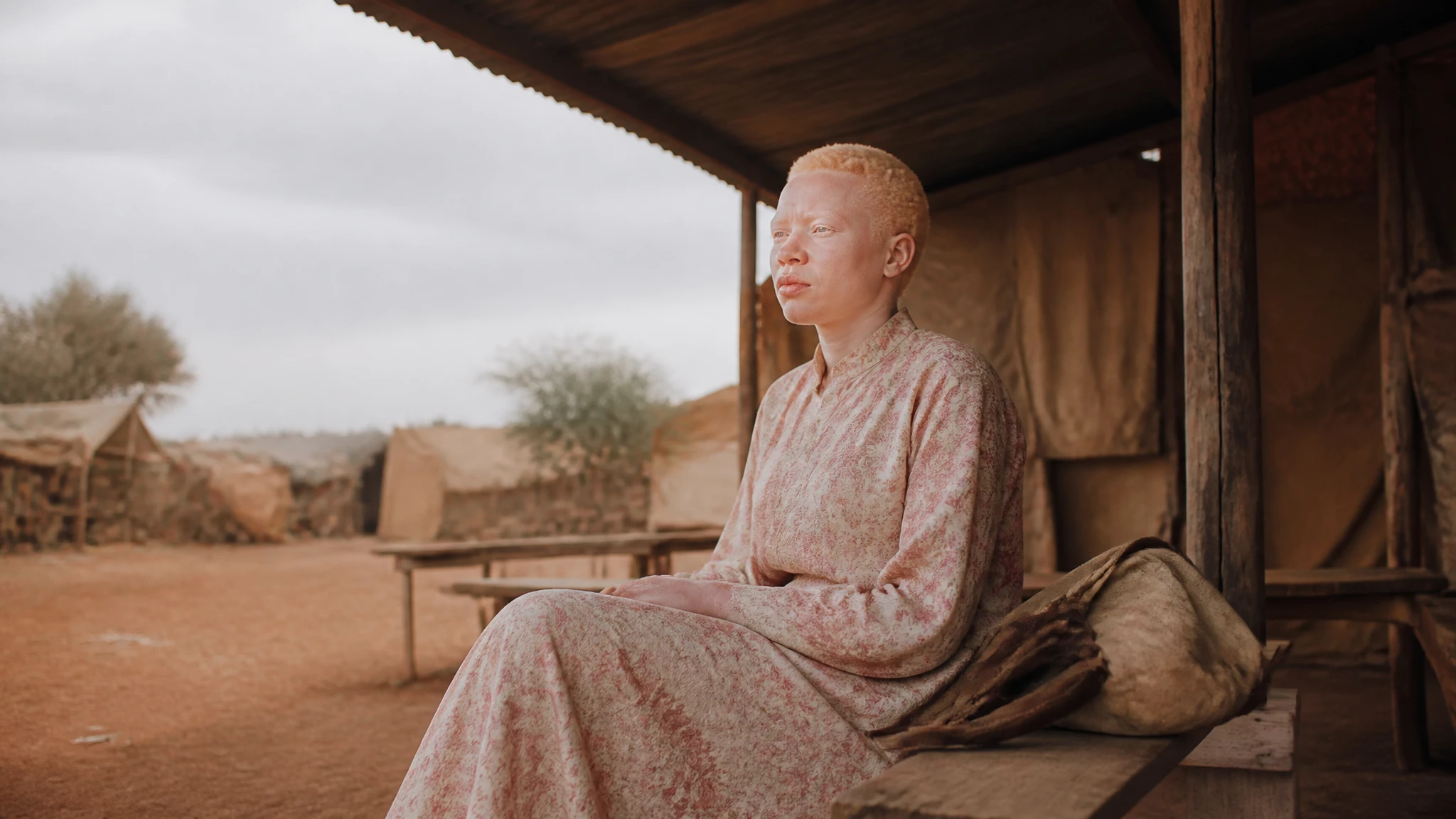
A 2015 UNHCR document from Nyarugusu refugee camp listed people with albinism among those requiring specific protection. The record surfaces an early formal acknowledgement of targeted risk.
A single page from Nyarugusu refugee camp in Tanzania, dated 11 November 2015, listed people with albinism alongside other groups requiring specific protection under UNHCR's Person with Specific Needs framework.
Nyarugusu, located in Kigoma Region, was at the time one of the largest refugee camps in the world, housing hundreds of thousands of people displaced primarily from the Democratic Republic of Congo and Burundi. UNHCR's key messages document, published in both English and Swahili, identified categories of people whose safety and wellbeing required dedicated attention from camp staff and protection officers.
People with albinism appeared on that list. The designation meant, in practical terms, that protection staff were instructed to identify, register, and follow up with individuals with albinism as a matter of procedure — not as an exceptional case.
Why the designation mattered
In Tanzania at that time, people with albinism faced documented risks of attack, driven by demand for body parts used in ritual practices. UNHCR's inclusion of albinism within a formal protection framework acknowledged that this risk did not stop at the camp boundary.
The document was produced during a period when attacks on people with albinism in the Great Lakes region were drawing sustained international attention. Under the Persons with Specific Needs classification, individuals could be referred for additional support, resettlement consideration, or case management — protections that might otherwise have required advocates to argue for individually.
The bilingual format — English and Swahili — indicated the document was intended for both international staff and local camp workers.
The ReliefWeb record represents one data point in a longer institutional response. It does not describe outcomes, case numbers, or the experiences of individuals with albinism living in Nyarugusu at the time. What it does record is a moment when a major humanitarian agency wrote the words down and distributed them to the people responsible for keeping others safe.
Keywords
Core topics and entities mentioned in this summary.