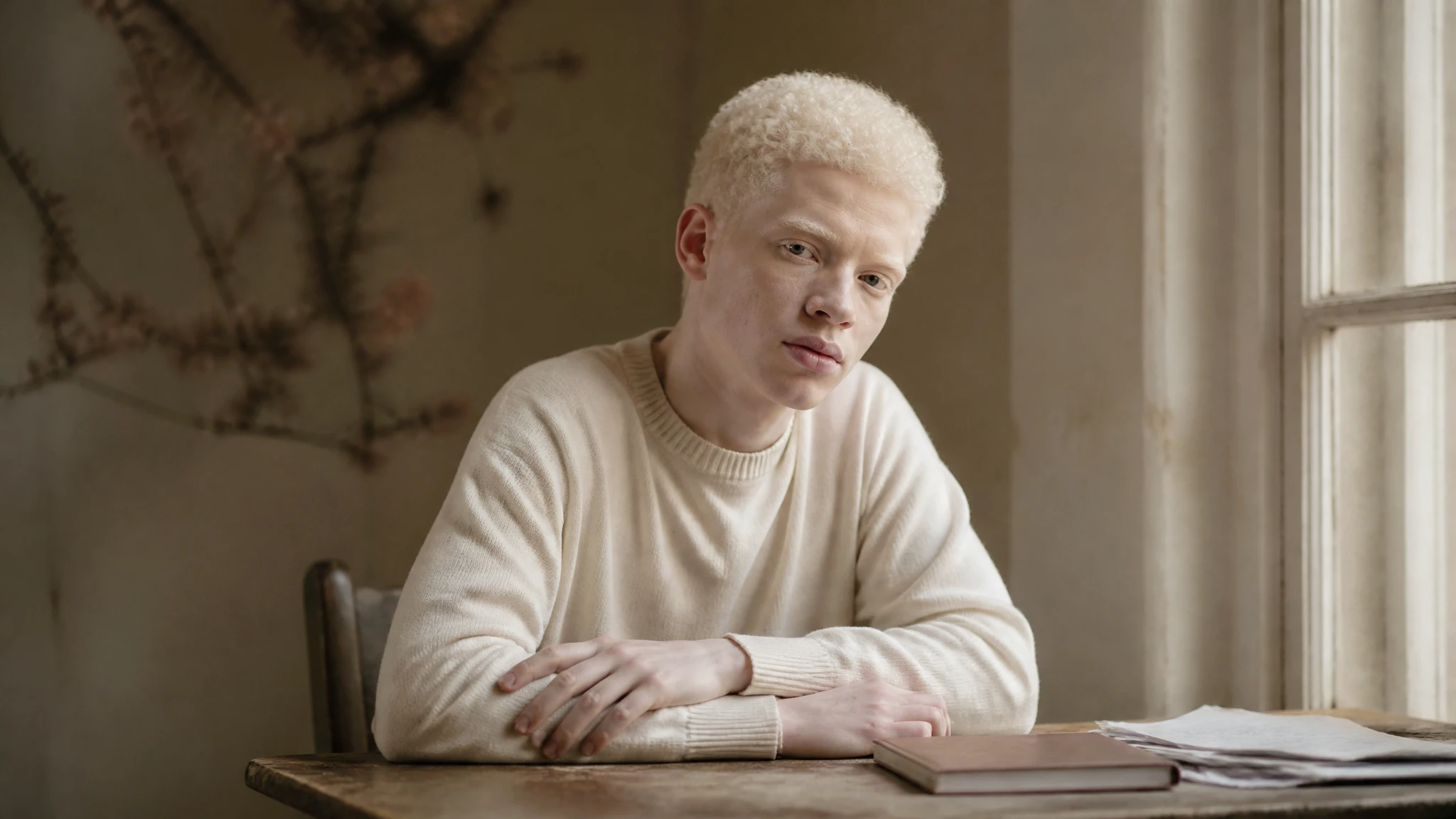
The Independent Expert on Albinism submitted findings to the OHCHR showing the pandemic widened existing inequalities for young people with albinism worldwide.
A link and a byline. That is all the original source offers — a submission title and an institutional credit. But the document behind it carries weight.
The Office of the United Nations High Commissioner for Human Rights issued a call for input on how the COVID-19 pandemic affected the human rights of young people. The Independent Expert on Albinism responded with a formal submission, according to the OHCHR record.
The submission itself is not reproduced in the source material available here. What the record confirms is that the mandate holder — the UN's dedicated independent voice on albinism — chose to respond, signalling that the pandemic's effects on young people with albinism were distinct enough to require separate documentation.
That framing matters. Young people with albinism face compounding pressures in ordinary circumstances: barriers to education, limited access to sun protection and eye care, and in parts of Sub-Saharan Africa, ongoing risk of targeted violence. Pandemic conditions — school closures, disrupted health services, economic contraction — typically press hardest on communities already operating at the margins, as multiple UN bodies reported during and after the crisis.
The Independent Expert on Albinism mandate was established by the Human Rights Council in 2015. Its holders have consistently documented how people with albinism are excluded from mainstream human rights frameworks and emergency responses alike.
Keywords
Core topics and entities mentioned in this summary.