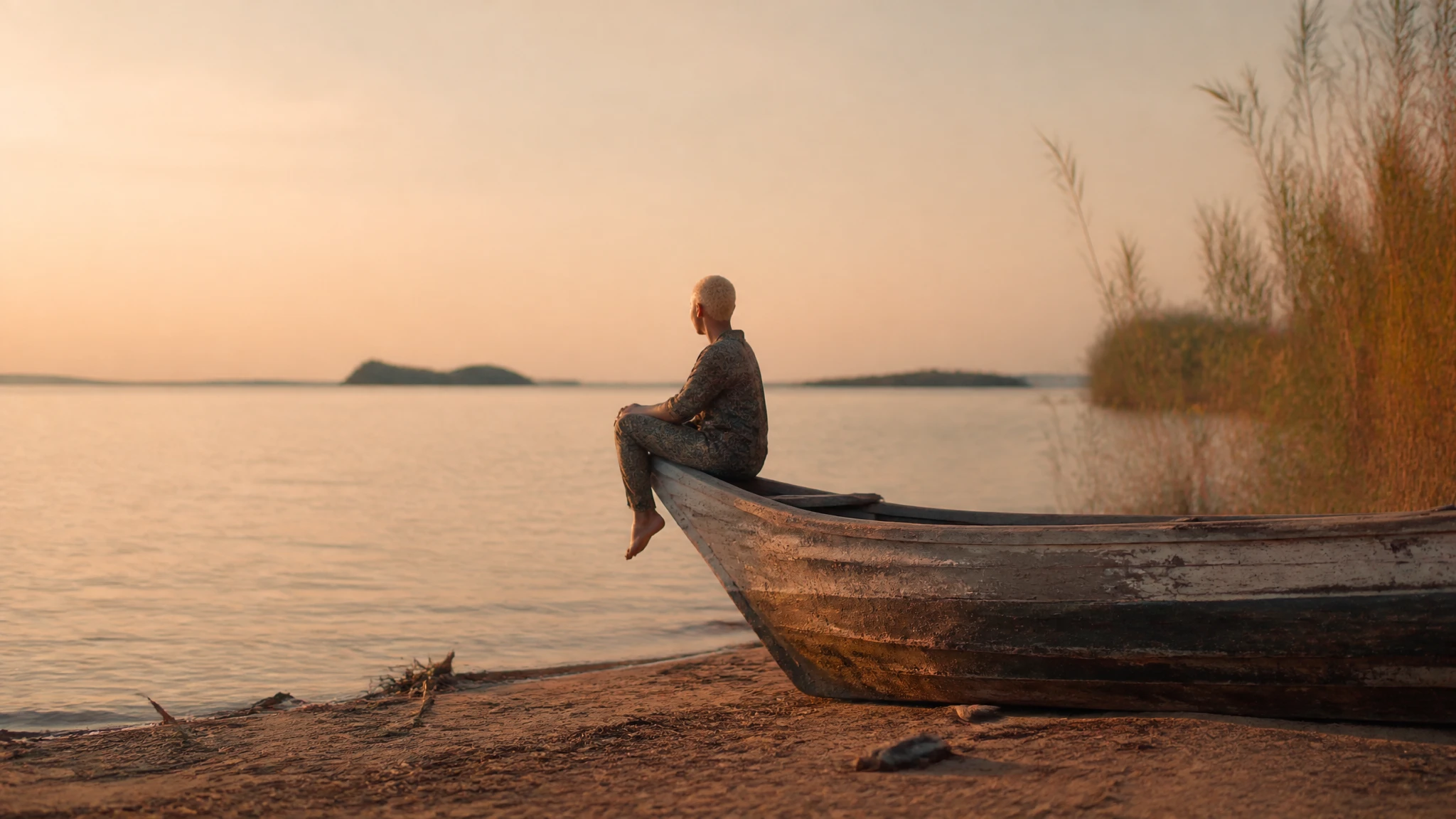
CNN reported from Ukerewe Island, where many people with albinism have settled seeking safety from attacks on the mainland.
On Ukerewe Island, in the middle of Lake Victoria, a community has formed that is unlike almost anywhere else in Tanzania. CNN reported that the island has become a place where people with albinism relocate — not by coincidence, but because the mainland, for many, is not safe.
Attacks on people with albinism in Tanzania have been documented over many years. Limbs and body parts are taken by those who believe they carry magical properties, according to human rights organisations including Under the Same Sun. The belief has no factual basis, but its consequences are real and recorded.
A place apart
Ukerewe is not formally designated as a refuge. It has no official protected status. Yet CNN's reporting found that word has spread among families with albinism that the island offers a degree of shelter — from violence, from the particular fear that shapes daily life for many people with albinism in rural Tanzania.
The people CNN spoke with described ordinary lives: farming, fishing, raising children, attending school. What made Ukerewe distinct, in their accounts, was the relative absence of threat. Neighbours knew them. The community had grown familiar over time.
Tanzania has one of the highest recorded populations of people with albinism in sub-Saharan Africa, according to the United Nations. Estimates vary, but the UN has cited figures of approximately one in 1,400 births — significantly higher than the global average of roughly one in 17,000 to 20,000.
What remains difficult
Life on the island is not without hardship. CNN's reporting noted that access to sunscreen and eye care remains limited. People with albinism face a substantially elevated risk of skin cancer without consistent UV protection, according to the World Health Organization — a medical reality that does not change with geography.
The island also carries a kind of weight: the fact that a separate physical place has become associated with safety reflects the scale of exclusion and violence that makes the mainland feel untenable for some families.
Advocates working in Tanzania have long argued that the goal is not separation but inclusion — the ability to live anywhere without fear. Organisations including the Tanzania Albinism Society have called for stronger legal protections and community education to address the beliefs driving attacks.
Ukerewe holds its own stories, quietly. Some of those who spoke with CNN were born there. Others arrived after something happened that made leaving feel like the only option. The island did not solve anything. It absorbed people who needed somewhere to go.
Keywords
Core topics and entities mentioned in this summary.