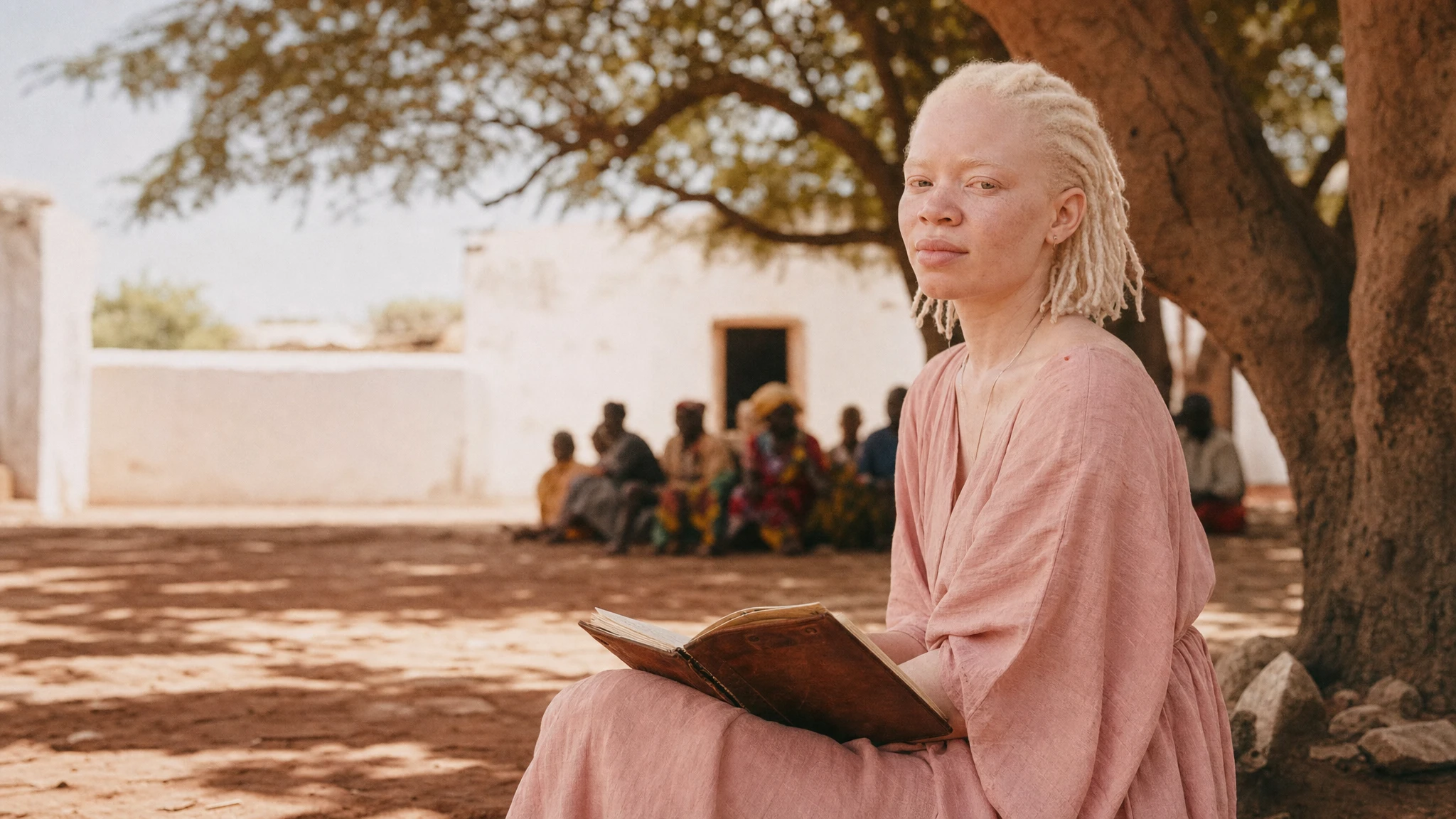
Ikponwosa Ero, the UN Independent Expert on albinism, completed an eleven-day official visit to Malawi in April 2016, examining the rights and safety of people with albinism.
In April 2016, Ikponwosa Ero arrived in Malawi as the United Nations Independent Expert on the enjoyment of human rights by persons with albinism. Her visit lasted eleven days — from 18 to 29 April — and marked one of the first formal UN-level investigations into conditions facing people with albinism in the country.
Ero's mandate, established by the UN Human Rights Council, tasks her with documenting the specific challenges people with albinism face, identifying gaps in protection, and recommending concrete steps to governments. Malawi was selected, in part, because of documented reports of attacks against people with albinism in the region — including killings and the trafficking of body parts for use in ritual practices, according to the OHCHR.
What the visit examined
During her time in the country, Ero met with government officials, civil society organisations, and — critically — people with albinism themselves, the OHCHR reported. Her conversations covered physical security, access to healthcare including skin protection and eye care, and the barriers children with albinism face in education.
The OHCHR noted that Malawi sits within a broader regional pattern. Neighbouring Tanzania and Burundi had already drawn international attention for the frequency and severity of attacks. Ero's visit to Malawi was intended to assess whether similar conditions existed there, and whether state protections were functioning.
Why the statement matters
Statements issued at the conclusion of official UN visits carry specific weight. They are addressed directly to the government in question and enter the formal record of the Human Rights Council. The findings Ero presented upon departure from Malawi would later inform recommendations put to the Malawian state — recommendations the government would be expected to respond to publicly.
For people with albinism in Malawi, the visit represented something more immediate: a named, senior UN official sitting across from them, recording what they said.
The full statement and its findings are held in the OHCHR's public record and remain part of the ongoing international monitoring of conditions for people with albinism across Sub-Saharan Africa.
Keywords
Core topics and entities mentioned in this summary.