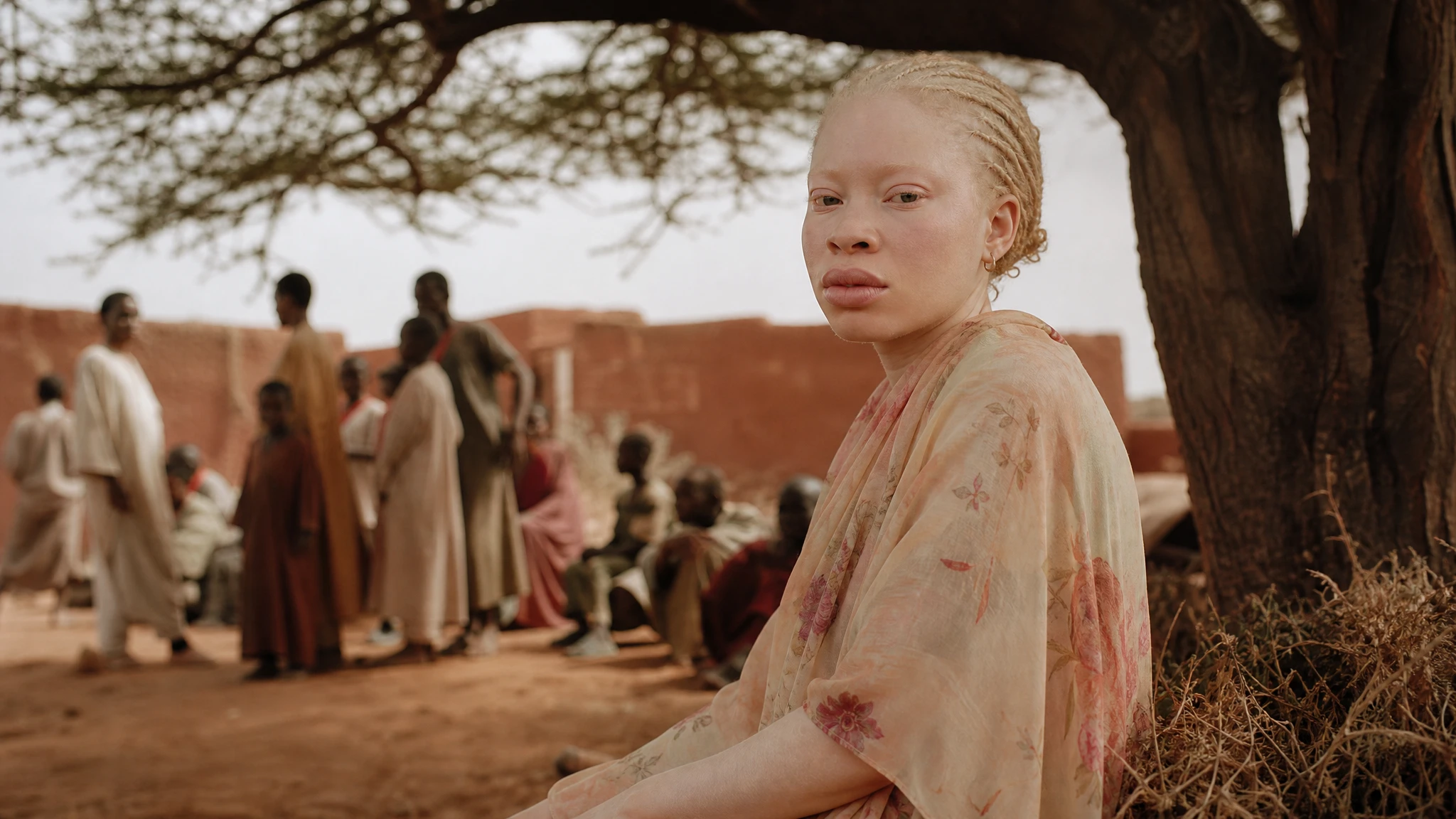
Across Sub-Saharan Africa, people with albinism face targeted violence rooted in superstition. Growing international attention is pressing governments to act.
In parts of Sub-Saharan Africa, a person with albinism can be hunted for their body parts. The belief that those parts carry magical properties has driven killings, dismemberments, and disappearances across Tanzania, Malawi, Burundi, and beyond — a pattern that Reuters has reported on over several years of coverage.
The scale is documented. Under the Sun, a 2012 documentary, and successive United Nations reports brought the issue to wider international audiences. The UN Independent Expert on the enjoyment of human rights by persons with albinism, Ikponwosa Ero, reported that attacks have been recorded in at least 28 African countries, according to UN findings. Tanzania alone had logged over 70 killings in a single decade, the UN noted.
The role of belief systems
The violence is not random. Reuters reported that witch doctors in several countries instruct clients that body parts of people with albinism — limbs, skin, hair — will bring wealth, luck, or power when used in ritual medicine. This demand drives a trade. Families, Reuters found in its reporting, have sometimes been complicit in attacks on their own relatives.
For children, the risk is concentrated. The UN has described children with albinism as among the most vulnerable populations on the continent, with some removed from schools or hidden by parents afraid for their safety.
What international pressure has done
Governments have responded unevenly. Tanzania, which has faced the most sustained scrutiny, banned the practice of witch doctors issuing such instructions and established safe houses for people with albinism who face immediate threats, Reuters reported. Arrests have followed high-profile cases. Malawi declared a national emergency in 2018 after a spike in attacks, according to Reuters.
Advocacy organisations, including Standing Voice and the Albinism Society of Tanzania, have worked alongside UN bodies to push for consistent law enforcement and community education. Reuters noted that awareness campaigns in schools and local communities have begun to shift attitudes in some areas, though progress is slow and uneven.
The international spotlight — through journalism, documentary work, and UN mechanisms — has created political pressure that domestic advocacy alone could not generate. Whether that pressure translates into durable protection remains an open question.
For the people living inside this reality, the question is not abstract. It is the route to school, the decision to attend a market, the calculation made before leaving the house.
Keywords
Core topics and entities mentioned in this summary.