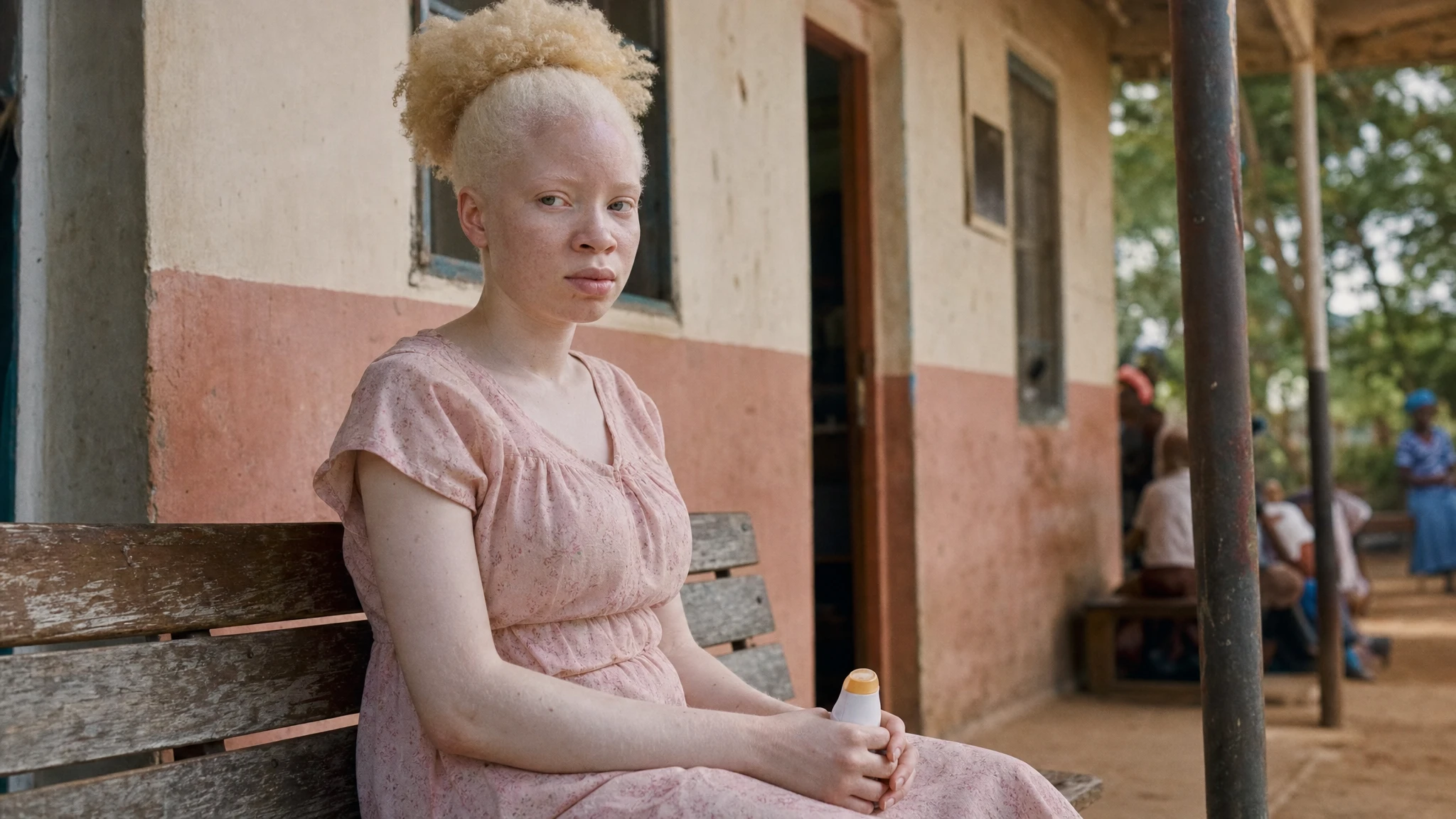
A dispute over clinic access in Johannesburg has exposed how health responsibilities are split across three tiers of government, leaving patients uncertain of their rights.
A court dispute over blocked access to clinics in Johannesburg has surfaced a question many South African patients cannot answer: when something goes wrong with healthcare, which level of government is responsible?
Spotlight, a South African health journalism outlet, investigated how primary healthcare duties are divided between national, provincial, and local government — and found the lines are far from clear.
Three governments, one patient
South Africa's constitution distributes health responsibilities across all three spheres of government. National government sets policy and norms. Provinces fund and manage most public hospitals and clinics. Municipalities, in some cities, run their own primary healthcare facilities — Johannesburg being one of them.
The problem, Spotlight reported, is that this arrangement creates gaps. When a patient is turned away or a clinic is inaccessible, it is not always obvious which authority is accountable — or which one a community can pressure to act.
The Johannesburg case placed this ambiguity in sharp relief. The dispute centred on access to city-run clinics, and the legal proceedings drew attention to how municipal health services operate independently from provincial ones, with separate funding streams and separate accountability chains.
Why it matters for people with albinism
For people with albinism in South Africa, reliable access to primary healthcare is not a peripheral concern. Dermatology referrals, sunscreen prescriptions, ophthalmology appointments, and skin cancer screenings typically begin at clinic level. If the clinic responsible for a patient's area is underfunded, inaccessible, or unclear about its own mandate, those pathways close.
The Albinism Society of South Africa has previously noted that many people with albinism struggle to access consistent dermatological care through the public system. The Spotlight investigation suggests that structural confusion between spheres of government may be part of why those struggles persist.
With local government elections approaching at the time of reporting, Spotlight framed the investigation as a timely question for voters: municipal governments control more of daily healthcare access than many residents realise.
The shape of that accountability — and who holds it — is something the albinism community, like all South Africans who depend on public clinics, has a direct stake in understanding.
Keywords
Core topics and entities mentioned in this summary.