A South African court has rejected two separate legal challenges to the National Health Insurance Act, clearing an early hurdle for universal health coverage.
A court in South Africa has dismissed two constitutional challenges to the National Health Insurance (NHI) Act, according to GroundUp. The ruling represents the first significant legal test for the legislation since it was signed into law.
The two challenges came from separate quarters. The medical schemes industry mounted one case, arguing that the Act was constitutionally unsound. The Western Cape provincial government filed a second, independent challenge. The court rejected both, GroundUp reported.
What the NHI Act proposes
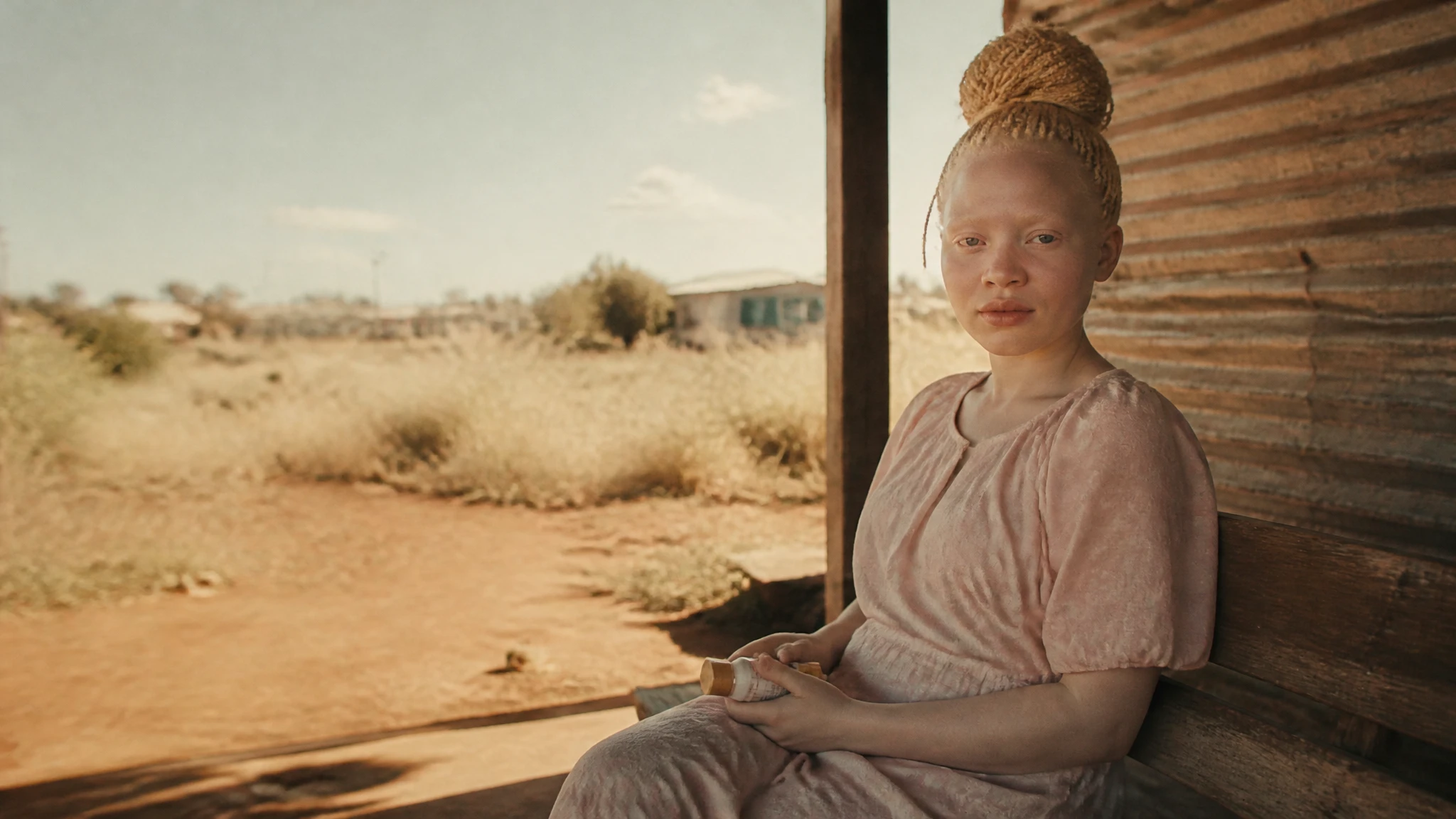
The NHI Act is designed to move South Africa toward a single, publicly funded health system. Under the proposed framework, all residents — regardless of income — would access healthcare through a central fund. For people with albinism, who routinely require dermatological monitoring, high-SPF sunscreen, and ophthalmological support, consistent and affordable access to specialist care has long been out of reach for those outside private medical schemes.
The South African Albinism Society has previously noted that many people with albinism fall into the gap between public and private healthcare: unable to afford medical scheme membership, yet underserved by an overstretched public system.
What the ruling does and does not settle
The court's decision clears an early procedural hurdle, but GroundUp noted that further legal challenges are expected. The medical schemes industry and the Western Cape government have not indicated whether they will appeal. Implementation of the Act in full remains years away, dependent on funding mechanisms and legislative regulations that have not yet been finalised.
What the ruling does confirm is that the Act's core architecture — a mandatory, universal fund — has survived its first scrutiny before the courts.
For communities whose healthcare needs are both predictable and chronic, the shape of that architecture matters. People with albinism require lifelong skin and eye care. Any national health framework that reaches them consistently would represent a structural shift, not just a policy signal.
The case will continue to move through the courts. GroundUp is continuing to follow developments.
Keywords
Core topics and entities mentioned in this summary.