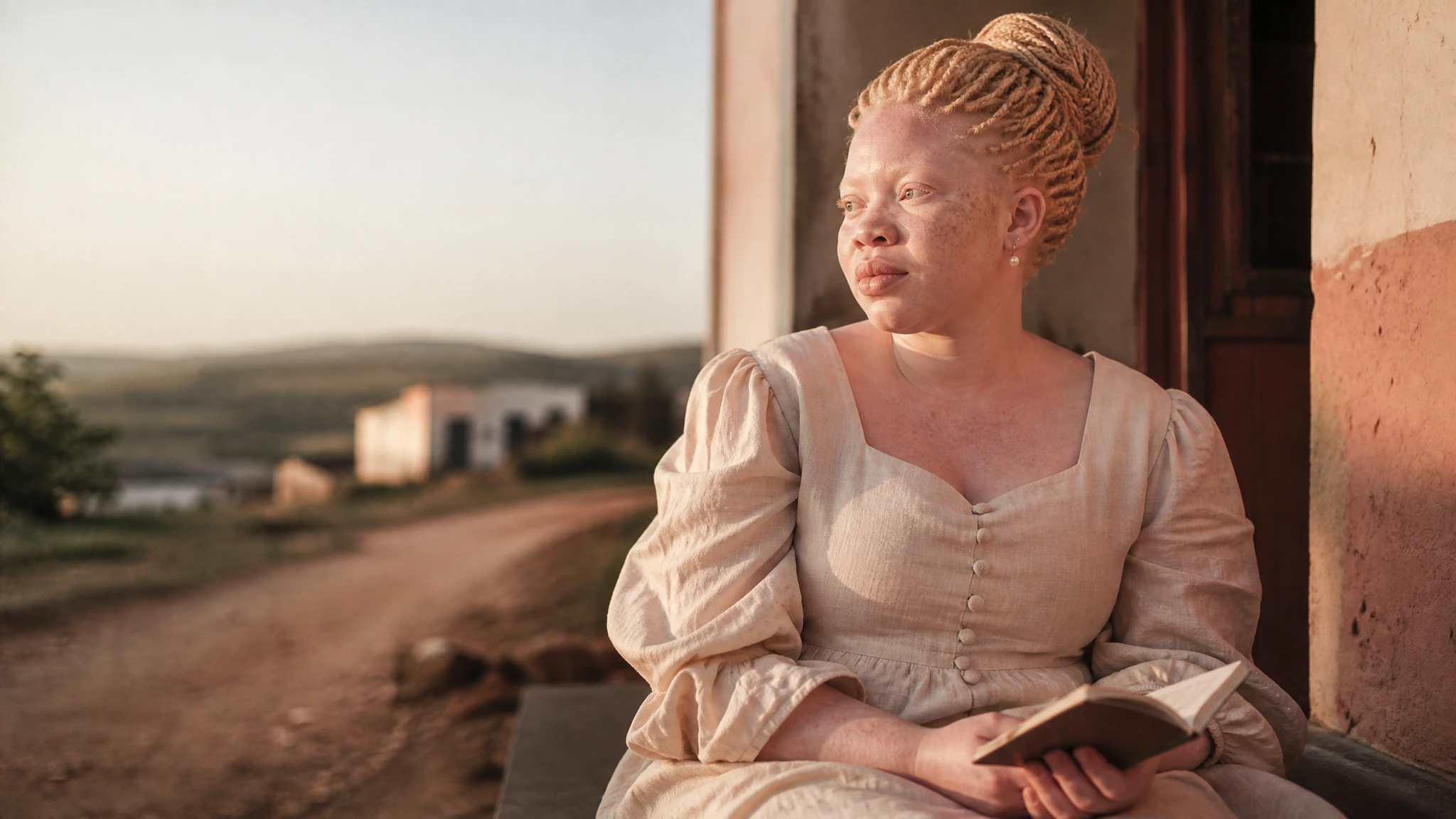
In a KwaZulu-Natal community where work keeps parents from clinic visits, 27-year-old Zama Nkwanyana steps in.
In KwaNyuswa, a township outside Durban, a missed clinic appointment can mean a child goes without care for weeks. When parents cannot leave work, they call Zama.
Zama Nkwanyana, 27, volunteers as a community health worker in KwaNyuswa, KwaZulu-Natal, according to Health-e News. When families cannot reach the clinic themselves, Nkwanyana steps in — accompanying children, relaying information, and keeping up the thread of care that formal services alone cannot hold.
Health-e reported that community health workers like Nkwanyana serve as the connective tissue between households and clinics, particularly in areas where transport, working hours, and distance make routine visits difficult. Their role is not clinical. It is relational — built on trust earned street by street, door by door.
The work is unpaid or minimally compensated, Health-e noted, and it falls disproportionately on young women in under-resourced communities. Nkwanyana's ward in KwaNyuswa is one of many across KwaZulu-Natal where this informal infrastructure quietly holds public health together.
For the albinism community specifically, consistent access to primary healthcare — including skin checks, eye care referrals, and sunscreen provision — depends heavily on exactly this kind of local presence. A community health worker who knows which child has albinism, and which family struggles to make clinic days, can make a material difference in whether that child receives preventive care or not.
Health-e's portrait of Nkwanyana is a reminder that the last metre of healthcare delivery is rarely a system. It is usually a person.
Keywords
Core topics and entities mentioned in this summary.