A report from South Africa's Cape Flats examines how chronic community violence functions as a public health crisis, affecting residents' daily lives.
The instruction is simple and repeated often in Cape Flats neighbourhoods: stay together.
The phrase carries weight beyond ordinary caution. On the Cape Flats — the low-lying urban expanse south-east of Cape Town's city centre — gang activity, shootings, and the constant proximity of harm have reshaped what it means to move through public space, according to reporting by AllAfrica.
Researchers and health workers have increasingly described this environment not as a crime problem alone, but as a public health crisis. Chronic exposure to violence, the reporting notes, produces measurable effects on physical and mental wellbeing: disrupted sleep, restricted movement, and barriers to accessing clinics and schools.
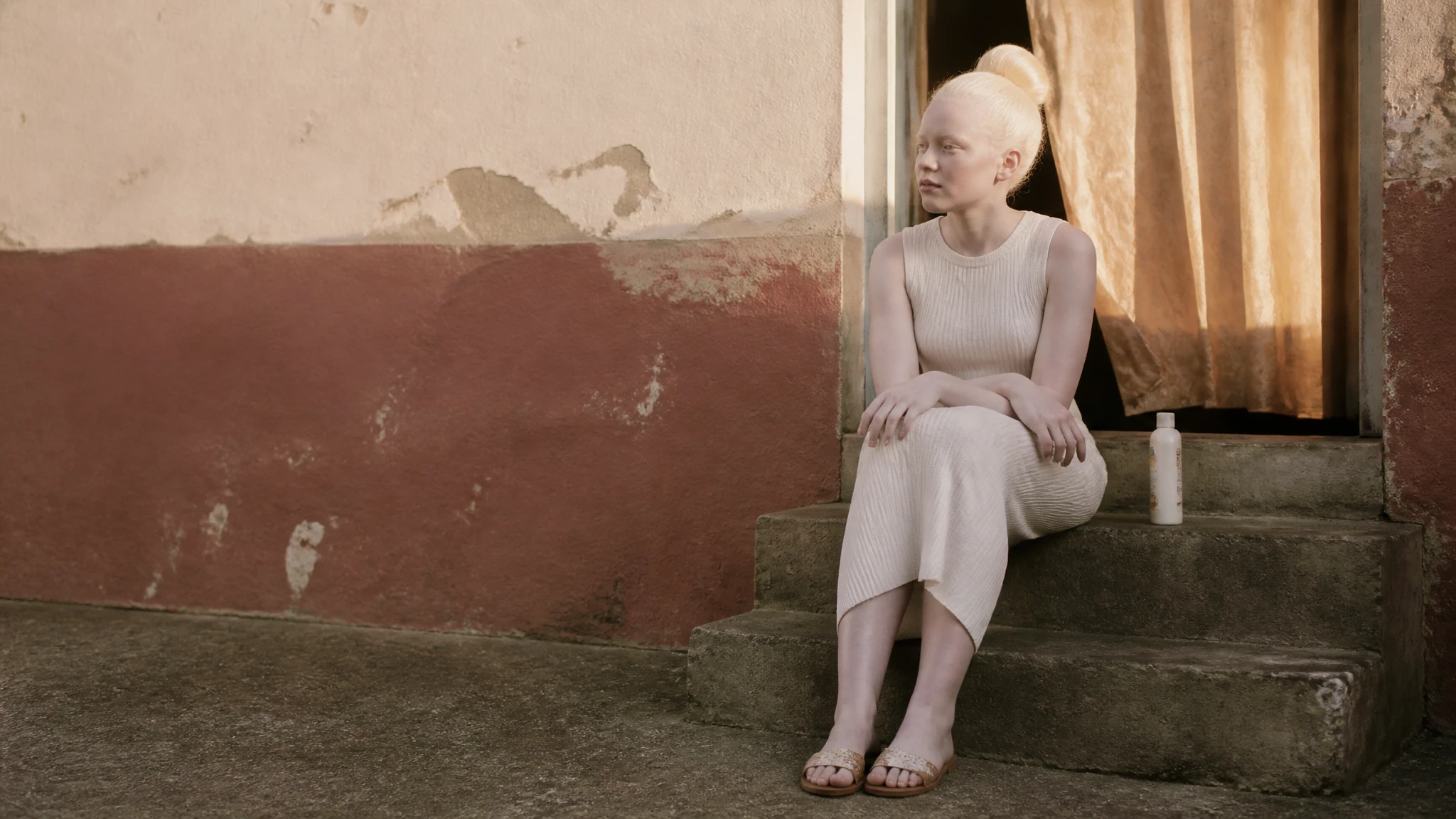
For residents with albinism in communities like these, the stakes compound. Sun protection — already requiring deliberate daily effort — becomes harder when leaving the house carries risk. Regular dermatology appointments, eye care visits, and the simple act of finding shade at the right hour all depend on the freedom to move safely through a neighbourhood.
AllAfrica's report centres on Maré, a figure whose story runs through the Cape Flats as both witness and participant in the community's attempts to hold itself together. The reporting does not frame her story as exceptional. It treats it as representative — one life shaped by the same pressures bearing down on thousands of others in the same streets.
Public health researchers have documented the relationship between neighbourhood violence and health outcomes for over two decades. What the Cape Flats reporting adds is granularity: the specific texture of a community where the distance between home and a health facility is measured not just in kilometres, but in risk.
South Africa carries one of the higher rates of albinism in sub-Saharan Africa, with estimates from organisations including the Albinism Society of South Africa suggesting a prevalence of approximately one in 4,000 people in some communities. For that population, access to consistent healthcare is not a convenience — it is a clinical necessity, given elevated risks of skin cancer from ultraviolet exposure and the need for ongoing vision support.
When violence narrows the geography of daily life, those necessities become harder to meet.
The Cape Flats has been a subject of public health concern for years. What reporting like AllAfrica's contributes is a reminder that the people living inside these statistics are making precise, daily calculations — about when to go out, who to go with, and what they will forgo if the answer to both questions is uncertain.
Keywords
Core topics and entities mentioned in this summary.