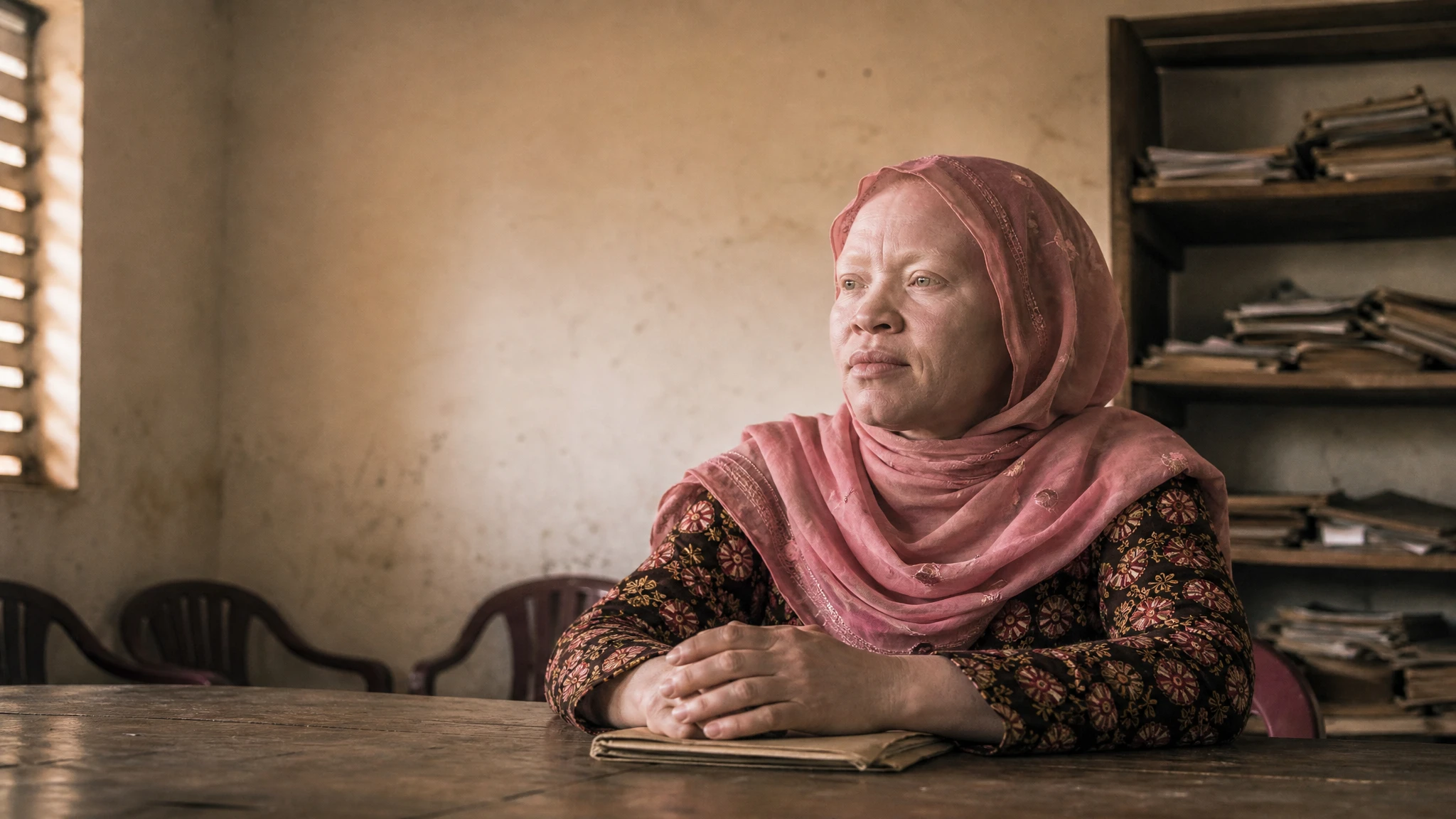
A 2021 submission to the UN Universal Periodic Review recorded persistent killings, trafficking, and exclusion facing people with albinism in Tanzania.
A document submitted to the United Nations in October 2021 placed Tanzania's record on albinism under formal international scrutiny for the third time.
The submission, filed with the Office of the High Commissioner for Human Rights as part of the Universal Periodic Review process, drew on documented cases of killings, abductions, and the trafficking of body parts belonging to people with albinism. These acts, the submission noted, are driven by the belief that such parts carry magical properties — a belief that persists across parts of the country despite government awareness campaigns.
The review found that attacks are not random. People with albinism in rural areas, and children in particular, face the greatest exposure to harm, according to the submission. Families have in some cases been implicated in attacks on their own relatives, the document reported.
Exclusion beyond physical violence
The submission also addressed structural exclusion. People with albinism in Tanzania face significant barriers in education and employment, the document stated. Vision impairment — common among people with albinism and rarely accommodated in standard classrooms — limits access to learning from early childhood. Workplace discrimination compounds these disadvantages into adulthood.
Access to sunscreen and dermatological care was identified as a specific unmet need. Without protection from UV radiation, people with albinism face elevated rates of skin cancer, and the submission noted that affordable, consistent access to high-SPF sunscreen remains out of reach for many Tanzanians with albinism, particularly outside urban centres.
The legal framework in Tanzania criminalises attacks, the submission acknowledged. But convictions remain rare, and the document pointed to gaps in prosecution, witness protection, and the consistent application of existing law as areas requiring urgent attention.
What the review asked of Tanzania
The submitting organisations called on Tanzania to strengthen law enforcement responses, improve data collection on cases involving people with albinism, and ensure that accused individuals — including those with family ties to victims — face prosecution. They also asked the government to address the structural barriers that limit education and healthcare access.
The Universal Periodic Review is a peer-led process in which UN member states examine one another's human rights records. Tanzania's third review, held in October 2021, marked a continued focus on albinism as a rights issue requiring state accountability rather than charitable response.
The OHCHR document is publicly available and forms part of the formal record considered by the UN Human Rights Council.
Keywords
Core topics and entities mentioned in this summary.