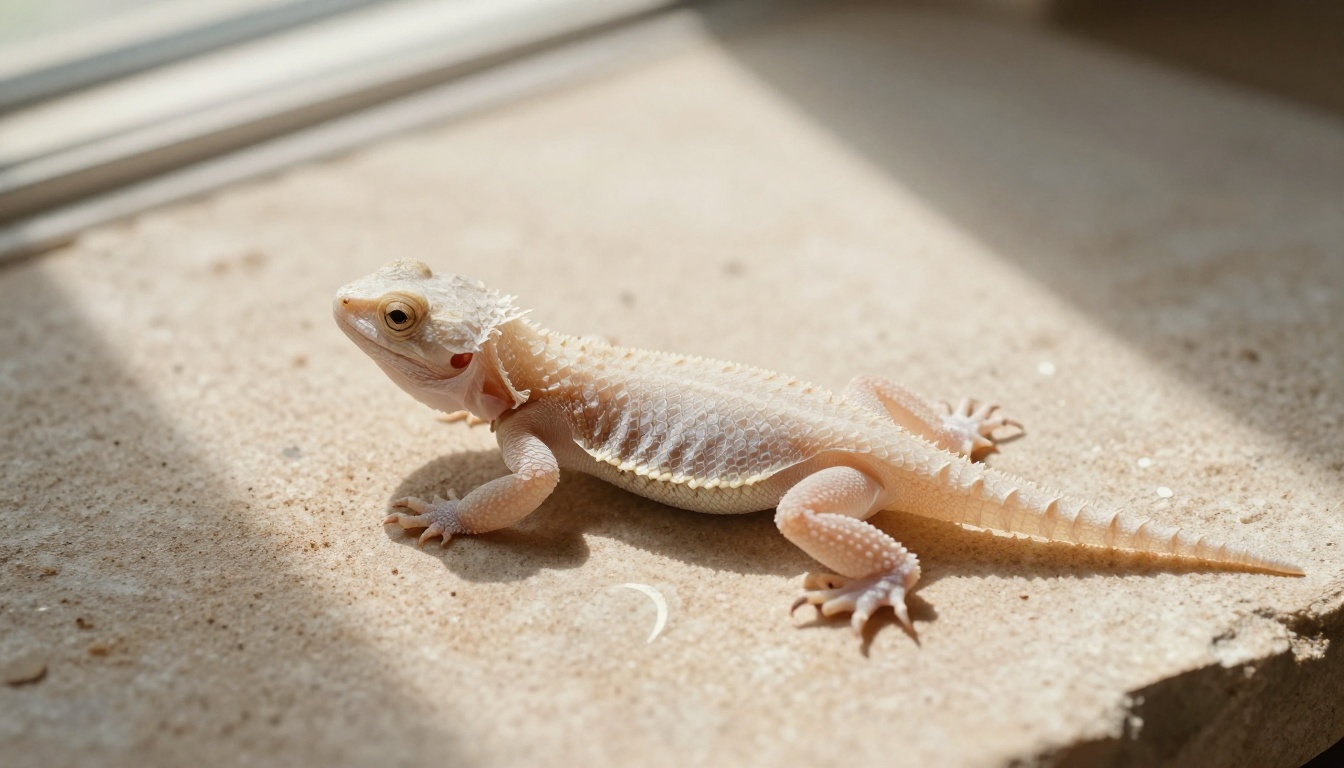
Researchers used CRISPR-Cas9 to disable pigmentation genes in anole lizards, producing the first reptiles with albinism created through gene editing.
A small green lizard, pale as unglazed porcelain, sits at the centre of a study that has shifted what scientists understand about pigmentation genetics in reptiles.
Using the CRISPR-Cas9 gene-editing tool, researchers disabled the gene responsible for producing melanin in brown anole lizards (Anolis sagrei), according to the study published in PNAS. The result was the first reptile with albinism produced through deliberate gene editing — a technical milestone the team described as particularly difficult, given how hard reptile embryos are to access and manipulate compared with fish or mice.
What the researchers did
Unlike mammalian embryos, reptile eggs begin developing before they are laid, which means the editing window is narrow, the study noted. The team injected CRISPR components directly into unfertilised eggs still inside the female, targeting the tyrosinase gene — the same gene whose mutations are associated with oculocutaneous albinism in humans. The edited hatchlings showed no melanin pigmentation in their skin or eyes, the researchers reported.
The tyrosinase gene is conserved across vertebrates, meaning its function in lizards closely mirrors its function in mammals. That shared biology is part of what makes this experiment relevant beyond herpetology.
Why the pigmentation pathway matters
For researchers studying albinism in humans, reptile models offer something rodent models cannot: a lineage with distinct pigmentation cell biology that may reveal how the melanin pathway behaves across a wider range of species. The study's authors noted that the anole lizard has an unusually well-mapped genome, making it a practical platform for future pigmentation research.
The researchers did not claim direct therapeutic applications. What the work provides, they said, is a new genetic tool — a way to observe what happens when the tyrosinase pathway is switched off in a living vertebrate whose skin biology differs meaningfully from a mouse's.
CRISPR-edited reptiles had not previously existed in the scientific literature, according to the study, which places this finding at a methodological frontier rather than a clinical one.
The findings add one more data point to the growing body of research mapping how pigmentation genes operate — and occasionally fail — across the animal kingdom. For the albinism research community, each model organism that can be edited and observed expands the vocabulary scientists have for understanding a gene whose variations affect millions of people worldwide.
Keywords
Core topics and entities mentioned in this summary.