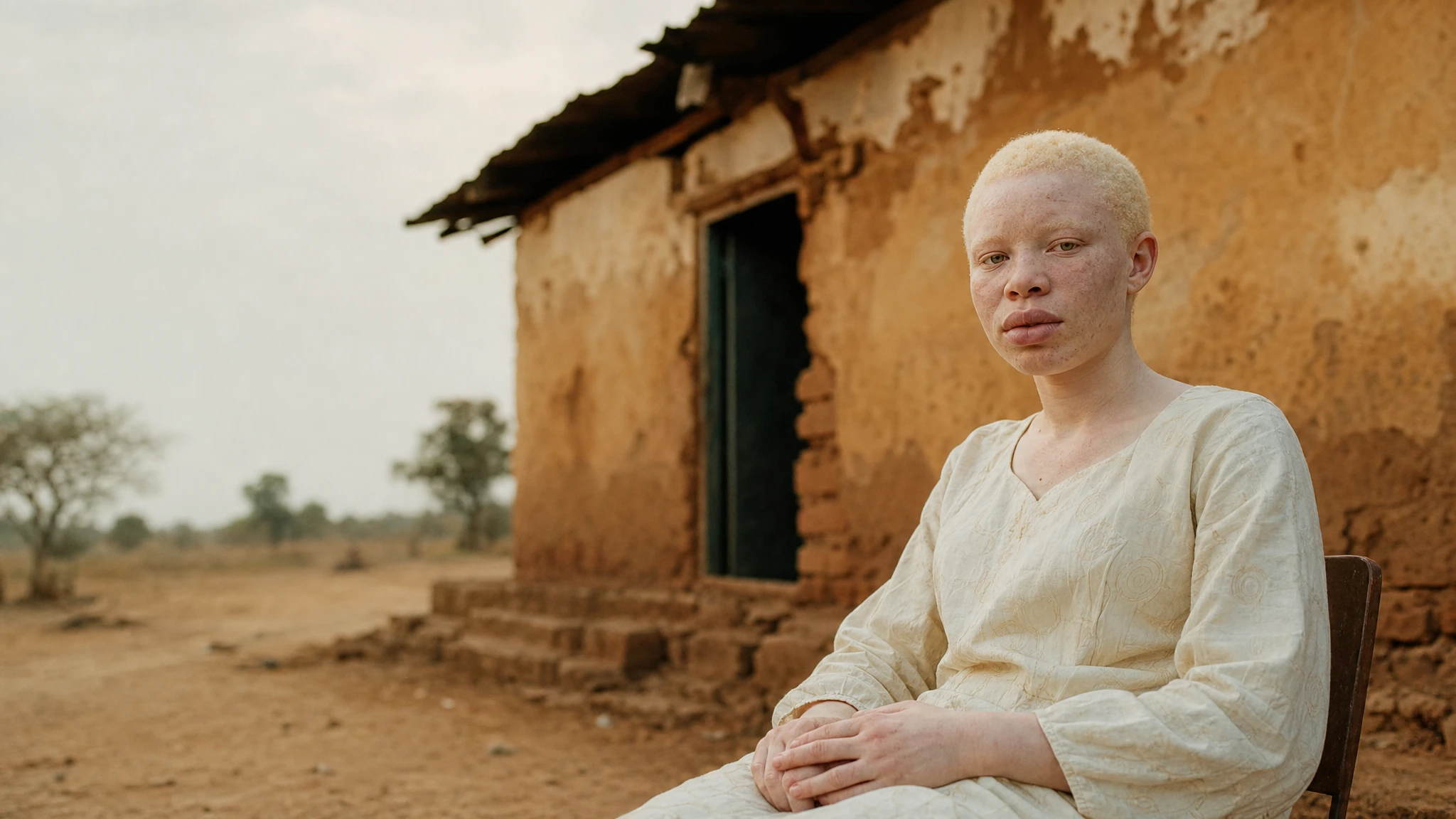
A new report documents continued discrimination facing people with albinism in Malawi, across education, healthcare, and daily life.
A report has found that discrimination against people with albinism in Malawi has not stopped — it has continued across the systems people rely on most: schools, clinics, and communities.
The Eastleigh Voice cited findings that document how this discrimination shapes daily life in concrete, measurable ways. People with albinism in Malawi face barriers in accessing education and healthcare, according to the report, and encounter prejudice within the communities where they live.
The report does not frame these as isolated incidents. They reflect patterns — persistent, structural, and recorded across multiple settings.
A community still navigating exclusion
Malawi has one of the highest prevalences of albinism in the world, researchers have noted in prior work, with estimates suggesting 1 in 1,400 people in some regions are born with the condition. That density makes the persistence of discrimination a question with scale: the people affected are numerous, and the systems failing them are the same ones everyone else uses.
The report's findings arrive against a backdrop of sustained concern from human rights organisations. The UN Independent Expert on albinism has repeatedly identified Malawi as a country requiring focused attention — not only because of documented attacks, but because of the quieter, daily discrimination that receives less international coverage.
Discrimination in education means children who face barriers in classrooms or are treated differently by peers and teachers. Discrimination in healthcare means people who avoid clinics, delay treatment, or receive inadequate care. The report, as cited by The Eastleigh Voice, places these experiences on record.
Why documentation matters
Reports like this one do specific work. They create an evidentiary base — something advocates, policymakers, and legal teams can use when pressing for change. Without documentation, patterns remain invisible to those with the power to address them.
For the albinism community in Malawi, the value is also in recognition: having experiences that are often dismissed or minimised reflected back in formal findings.
The Eastleigh Voice did not detail the organisation behind the report or its full methodology. The underlying document warrants closer reading for the specifics of what was measured, where, and by whom.
What the report establishes, at minimum, is that the work of building genuine inclusion in Malawi is unfinished — and that the gap between policy commitment and lived experience remains wide.
Keywords
Core topics and entities mentioned in this summary.