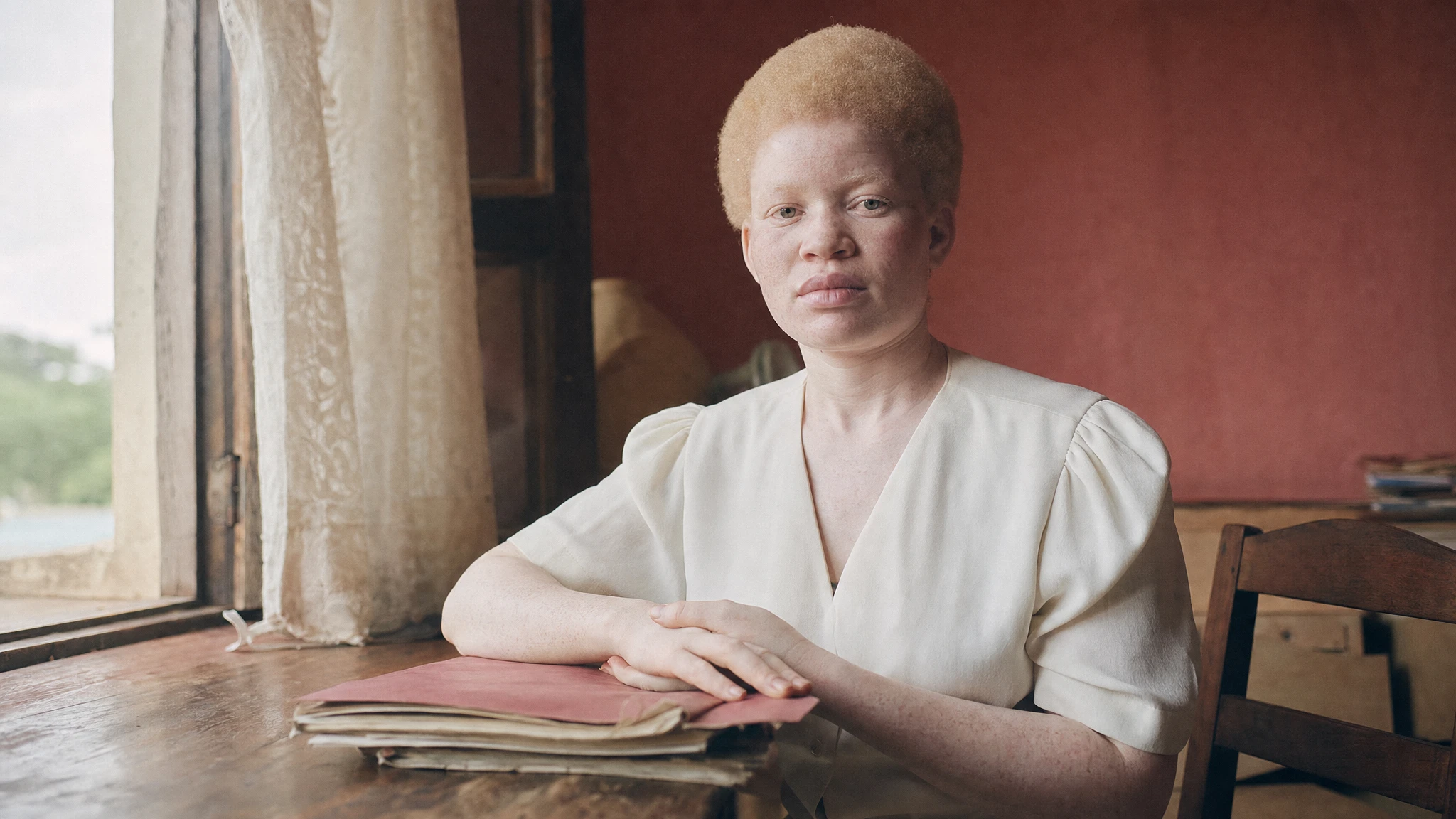
People with albinism in Uganda say they are routinely passed over for jobs despite their qualifications. They are calling on employers to judge applications on merit.
At a gathering in Uganda, people with albinism spoke plainly about what they encounter when they apply for work: qualifications reviewed, then doors quietly closed.
According to reporting by New Vision, people with albinism in Uganda have called on employers to assess job applicants on the basis of skill and experience rather than appearance. Speakers at the event described a pattern in which candidates with albinism reach interview stages and are then overlooked in favour of applicants without the condition.
The calls come alongside broader concerns about economic exclusion. People with albinism in Uganda already face barriers in education and public life, according to community representatives cited by New Vision, and limited access to formal employment compounds those pressures. Without steady income, access to sunscreen, specialist eye care, and other health needs remains difficult to sustain.
A question of fairness, not accommodation
Speakers were careful to frame their message around equality rather than special treatment. They asked that hiring processes be transparent and that criteria be applied consistently, New Vision reported. Several pointed to colleagues with albinism who hold professional qualifications but remain in informal or low-paid work.
Community advocates also urged the government to enforce existing equal-opportunities provisions and to hold public institutions to account when discrimination can be demonstrated.
The employment gap for people with albinism in Sub-Saharan Africa is not unique to Uganda. Across the region, studies have documented lower rates of formal employment among people with albinism compared to the general population, driven by both discrimination and inadequate workplace accommodations for low vision.
Why this matters
For people with albinism, employment is not a separate conversation from health. A stable income determines whether someone can afford the SPF 50+ sunscreen required daily in equatorial climates, or the tinted lenses that make office work manageable. Economic exclusion and physical vulnerability reinforce each other.
The voices reported by New Vision are not asking for exception. They are asking for the process to work as it claims to.
Keywords
Core topics and entities mentioned in this summary.