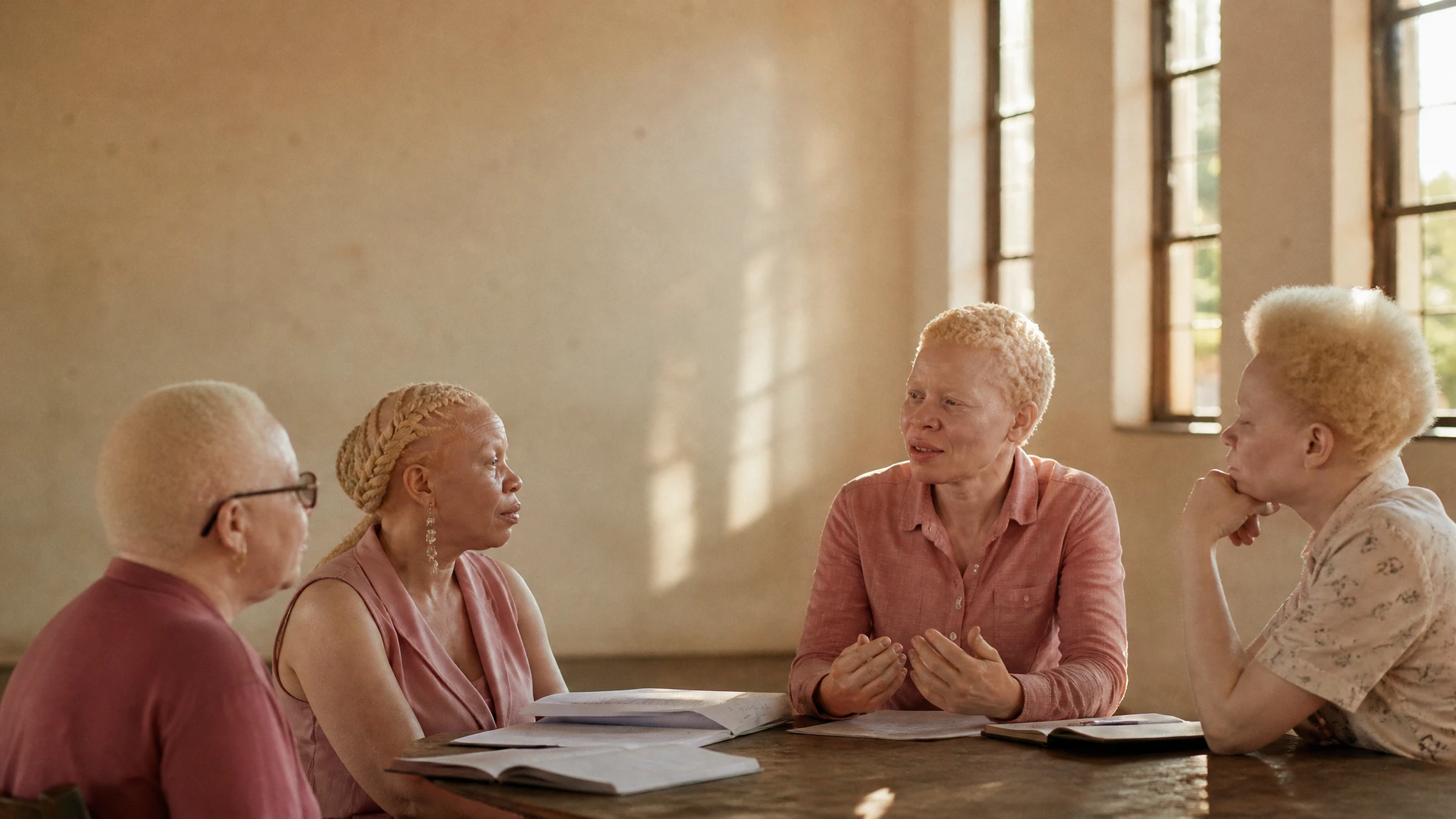
The UN Human Rights Committee has issued new guidance confirming that people do not need state permission to form or join associations. The ruling arrives as civic space continues to narrow globally.
In many countries, the act of forming a group — a disability organisation, a community association, an advocacy network — requires navigating layers of government approval. For communities already marginalised, that barrier can be enough to silence collective action before it starts.
On Thursday, the UN Human Rights Committee issued new guidance stating that people do not need their government's permission to form or join an association, according to UN General Assembly News. The committee's position is grounded in international human rights law, which protects freedom of association as a fundamental right.
The guidance arrives at a specific moment. Civic space — the room that civil society, community groups, and human rights organisations need to operate — has been narrowing in many parts of the world, the committee noted. Registration requirements, bureaucratic delays, and outright bans have been used by some governments to restrict independent organising.
What this means in practice
For communities of people with albinism, the right to organise without state approval carries particular weight. Across Sub-Saharan Africa, Latin America, and parts of Asia, local albinism organisations have operated in legal grey areas, dependent on the goodwill of government registrars to function formally. The committee's clarification does not create a new right — it restates one that already exists under the International Covenant on Civil and Political Rights.
The committee did not name specific countries in its guidance, according to the report. It did make clear that states may regulate associations in limited circumstances, but that regulation cannot be used as a tool to prevent groups from forming in the first place.
Freedom of association, the committee affirmed, begins the moment people choose to come together — not the moment a government decides to recognise them.
For the people who run small, under-resourced organisations on behalf of communities with albinism, that distinction is not abstract. It is the difference between acting and waiting.
Keywords
Core topics and entities mentioned in this summary.