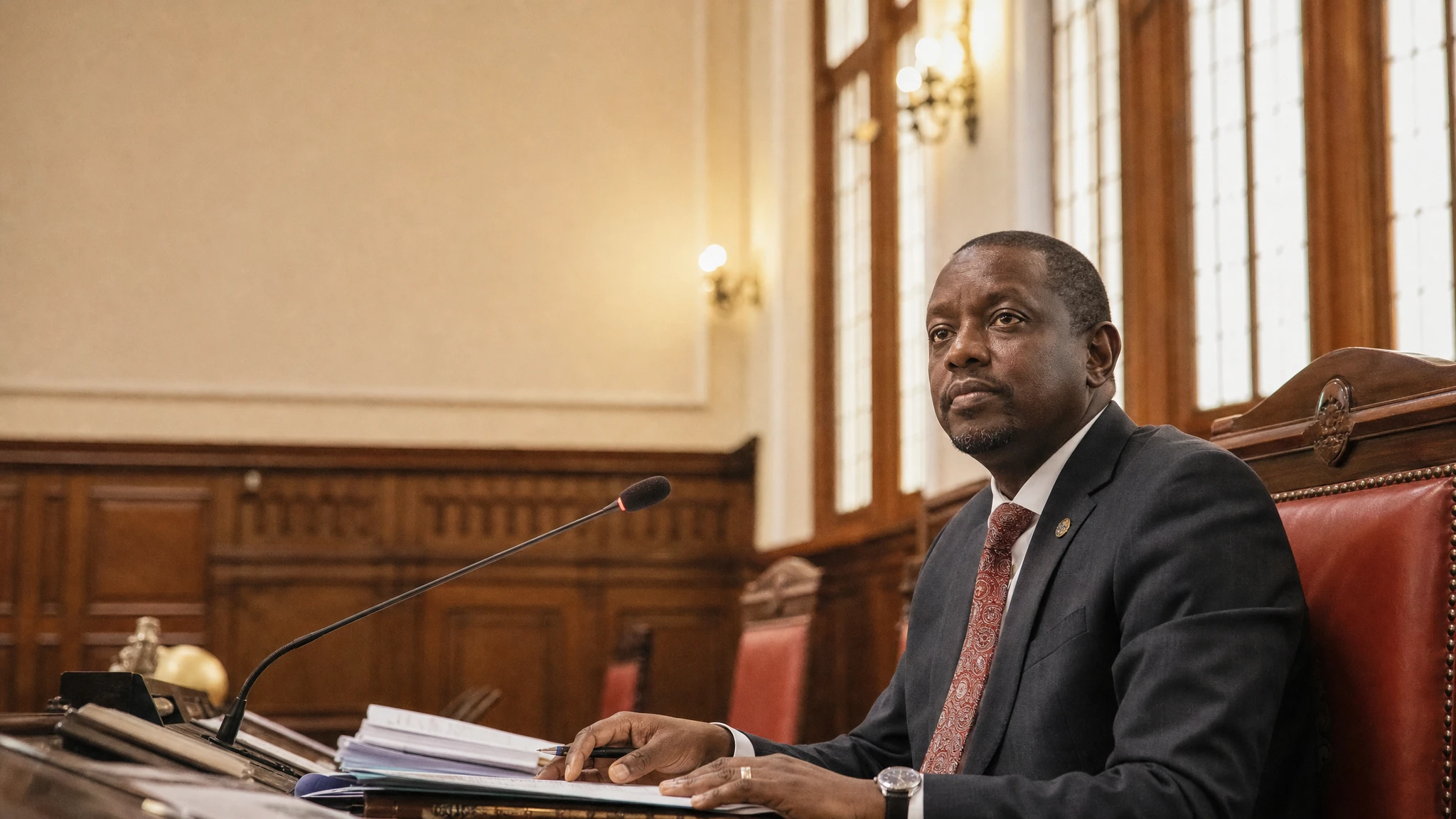
Senator Isaac Mwaura urged the Kenyan government to dismantle barriers facing people with albinism, from healthcare access to legal protection. The call came during a formal parliamentary address.
A senator with albinism stood before Kenya's parliament and named, specifically, what his government has failed to do.
Senator Isaac Mwaura, one of Kenya's most prominent legislators with albinism, called on the government to take concrete action against discrimination targeting people with albinism, according to The Star. His remarks addressed systemic failures across healthcare, education, and legal protection — areas where, he said, people with albinism continue to be left behind.
What Mwaura said
Mwaura pointed to the persistent gap between Kenya's constitutional protections and daily reality for people with albinism, The Star reported. Stigma, he said, remains embedded in communities, limiting access to employment and public life. He called on government agencies to enforce existing anti-discrimination law rather than allow it to remain on paper.
He also raised the question of healthcare — specifically, access to sunscreen and dermatological support for people with albinism, who face significantly elevated risk of skin cancer due to reduced melanin, according to the report. In Kenya, as in much of Sub-Saharan Africa, these supplies are inconsistently available through the public health system.
Mwaura has spoken on this issue before. As a senator appointed to represent marginalised groups, he has used his seat to raise concerns about ritual attacks, the economic exclusion of people with albinism, and the absence of targeted government programmes, The Star noted.
Why this matters for the community
Kenya holds a particular place in East African albinism advocacy. The country has produced visible political figures with albinism and hosts active civil society organisations — yet gaps in protection and access remain wide. Mwaura's address signals that the pressure for legislative follow-through is coming from inside government, not only from outside it.
The call joins a growing regional conversation. Across East and Southern Africa, advocates have argued that anti-discrimination commitments made at the national level rarely translate into funded programmes or enforceable protections at the community level.
For people with albinism in Kenya, the senator's words carry weight — not because of their volume, but because they come from someone who understands the texture of the daily experience being described.
Keywords
Core topics and entities mentioned in this summary.