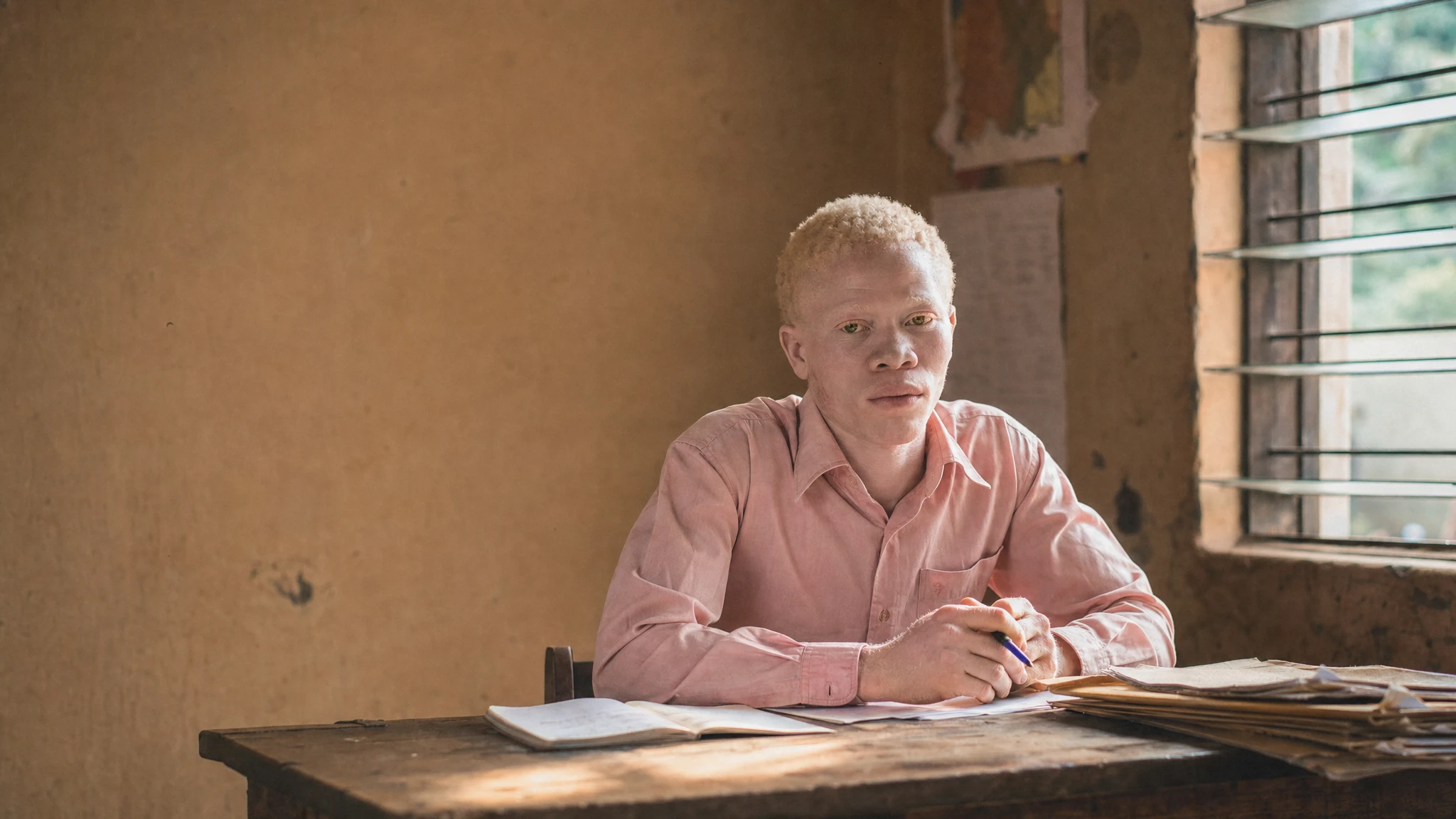
A Human Rights Watch report documents how people with albinism in Malawi face discrimination in employment, education, and daily life. The findings call for urgent legal reform.
A man in Blantyre applied for more than forty jobs before an employer agreed to meet him. He has albinism. He is qualified. The meeting never led to a position.
That account appears in a report published by Human Rights Watch, which documents the discrimination people with albinism face across Malawi — in workplaces, schools, healthcare settings, and public spaces.
What the report found
Human Rights Watch researchers interviewed people with albinism, employers, government officials, and civil society representatives across the country. The organisation found that people with albinism are routinely passed over for employment, denied reasonable accommodations at work, and excluded from professional opportunities despite meeting required qualifications.
Vision impairment, which accompanies albinism in most cases, was frequently cited by employers as a reason not to hire — even where the role could be adapted, according to the report. Human Rights Watch found that few workplaces offered adjustments such as larger-print materials, adjusted lighting, or modified screen settings.
In schools, the report found that children with albinism often sat at the back of classrooms, unable to read text on blackboards. Low-vision aids were rarely available. Teachers, the report noted, received little or no training on how to support students with the condition.
The report also documented the psychological toll of sustained exclusion. Several people interviewed described withdrawing from public life after repeated experiences of rejection or ridicule.
The legal gap
Malawi has no comprehensive anti-discrimination law that covers disability in employment, Human Rights Watch said. The organisation called on the Malawian government to enact legislation that explicitly prohibits workplace discrimination on the basis of disability, and to require employers to provide reasonable accommodations.
Human Rights Watch also recommended that the government invest in low-vision support in schools, train teachers, and ensure that people with albinism can access identity documents — a barrier that, the report noted, prevents some from registering for formal employment at all.
Mausi Segun, Africa director at Human Rights Watch, said in a statement accompanying the report that the Malawian government must move from acknowledgement to action, and that people with albinism should be able to participate fully in economic and public life.
Why this matters
Malawi is home to one of the highest recorded prevalences of albinism in the world, according to the United Nations. The discrimination documented in this report is not incidental — it reflects the absence of structural protections that most people take for granted. Employment is not a secondary concern. For people already navigating safety risks and limited healthcare access, economic exclusion compounds every other difficulty.
The Human Rights Watch report is available in full on the organisation's website.
Keywords
Core topics and entities mentioned in this summary.