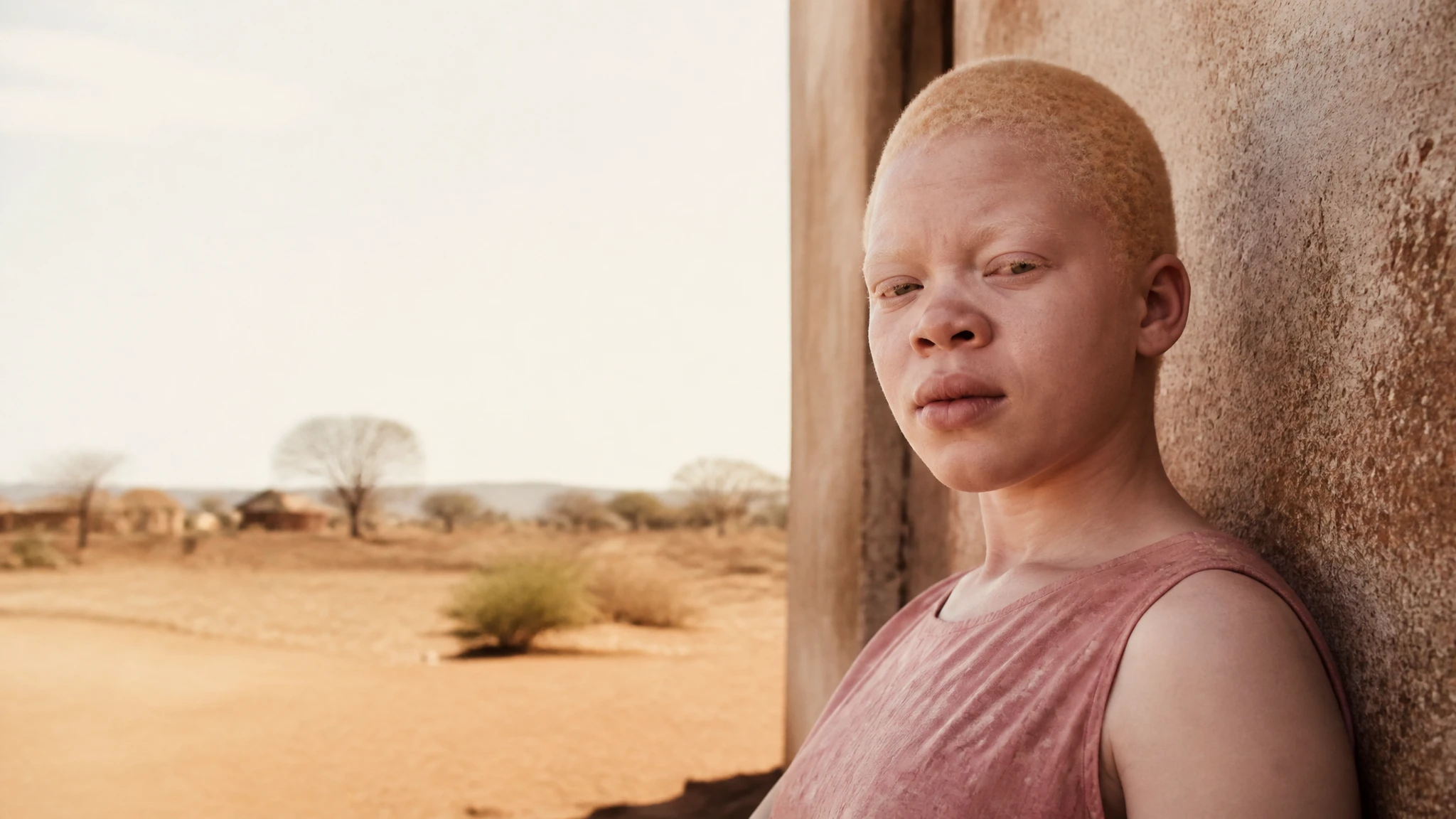
Malawi's government has authorised police to use lethal force against those who attack people with albinism, amid a sharp rise in killings and abductions.
A government directive in a southern African country has authorised its national police force to shoot attackers on sight. The order came after a surge in violent crimes targeting people with albinism — crimes rooted in the belief that their body parts carry magical properties.
Malawi's government issued the shoot-to-kill order in response to what Reuters reported as a significant escalation in attacks on people with albinism across the country. The directive was aimed at police officers who encounter suspects in the act of attacking, abducting, or killing a person with albinism.
The order reflected the severity of the crisis. Reuters reported that Malawi had recorded dozens of attacks on people with albinism in a relatively short period, including killings and the mutilation of bodies — crimes driven by demand from witchdoctors who use human remains in ritual medicine. Traffickers have reportedly sold body parts across borders into neighbouring countries.
The United Nations had previously described the situation in Malawi as a human rights emergency. Activists on the ground, according to Reuters, had been pressing the government for stronger protective measures for years, arguing that existing policing was insufficient to deter organised criminal networks profiting from the trade.
A directive with limits
The shoot-to-kill order drew both support and scrutiny. Human rights observers raised concerns about the potential for abuse of lethal force, while advocacy groups representing people with albinism said physical protection was urgently needed alongside longer-term efforts to dismantle the superstitions that drive demand.
Reuters noted that community leaders and activists had welcomed the directive as a signal that the government was treating the violence as the emergency it is — while acknowledging that policing alone would not address the underlying beliefs that place people with albinism at risk.
Malawi is home to an estimated 10,000 people with albinism, according to figures cited by advocacy organisations. Many live with the knowledge that their bodies are assigned a monetary value by traffickers — a reality that shapes daily movement, school attendance, and where families feel safe living.
The government's order placed the burden of protection on armed response. What it could not address, as observers noted, was the architecture of myth that has made this violence possible — and persistent.
Keywords
Core topics and entities mentioned in this summary.