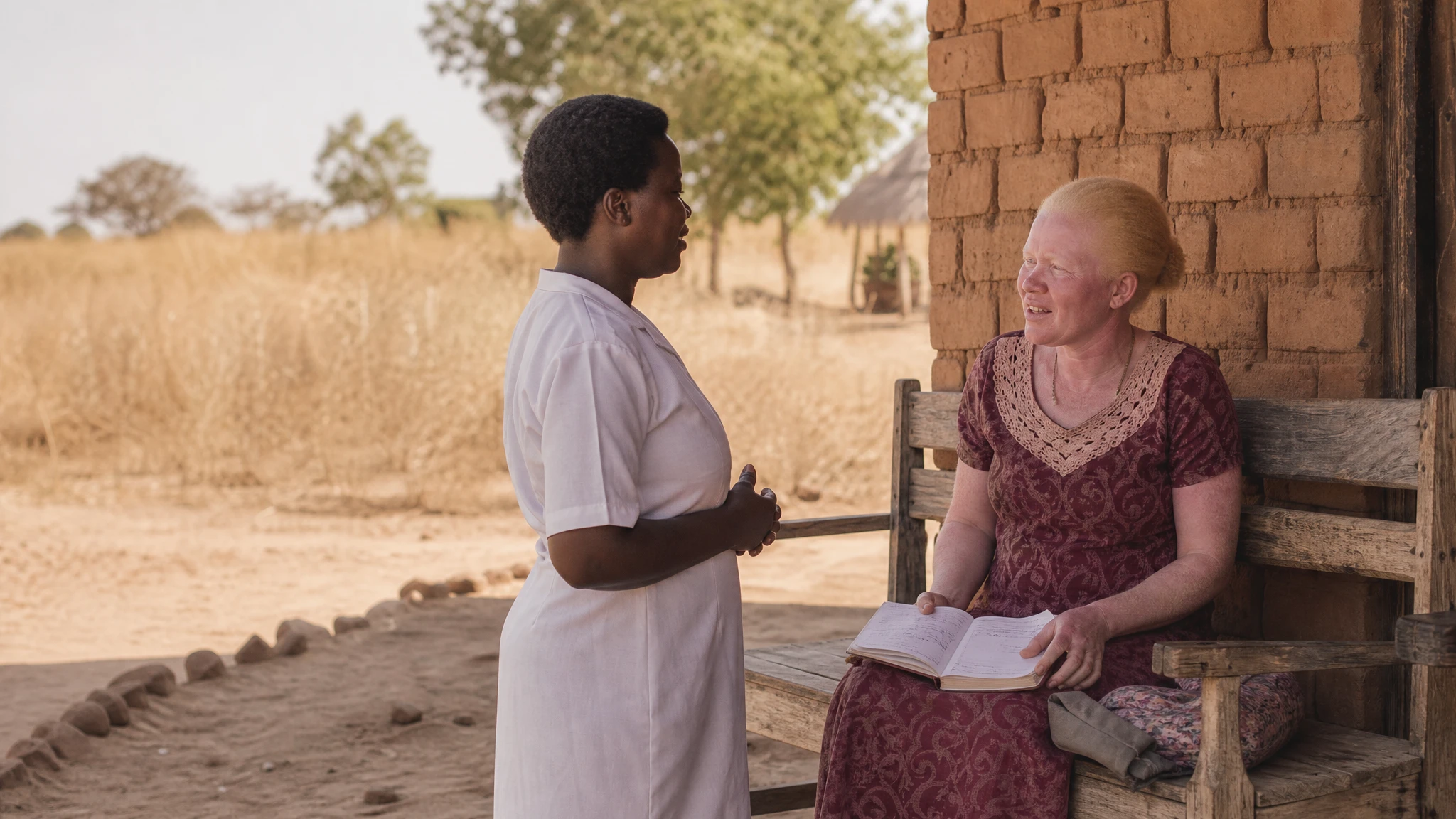
A new WHO report finds that non-communicable diseases now cause roughly four in ten deaths in Malawi, raising urgent questions about prevention and care access.
Skin cancer, cardiovascular disease, diabetes, and chronic respiratory illness share a common classification: non-communicable diseases. In Malawi, that category now accounts for approximately 40 percent of all deaths, according to a new report cited by the Nyasa Times.
The report, attributed to the World Health Organization, has prompted calls for stronger political leadership, increased funding, and coordinated community action across Malawi's health system.
For the albinism community, the finding carries particular weight. People with albinism in Malawi face elevated exposure to ultraviolet radiation, and skin cancer — a non-communicable disease — remains one of the leading causes of early death among them. The WHO report does not disaggregate NCD mortality by skin type or condition, but the broader trend it describes shapes the environment in which those risks sit.
Malawi's health infrastructure has historically prioritised communicable diseases — malaria, HIV, tuberculosis — where international funding has been concentrated. The growing NCD burden, the report suggests, is outpacing the system's capacity to respond.
Keywords
Core topics and entities mentioned in this summary.