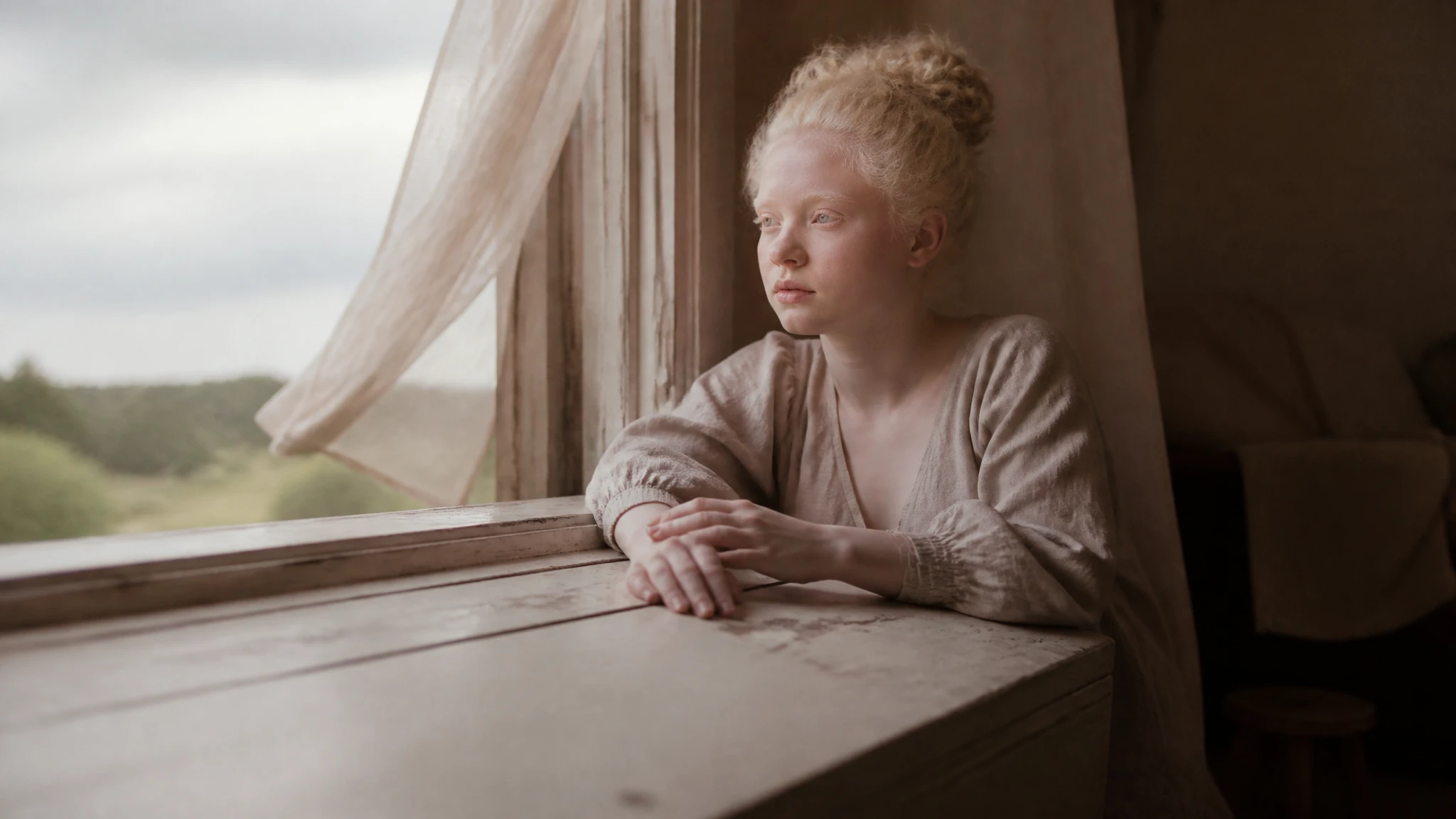
A BBC Kinyarwanda report explores what it means to be visibly different every day, as told by people with albinism in the region.
There is no moment, for many people with albinism, when their appearance stops being noticed by others. In public spaces — markets, buses, schools — the gaze arrives before the conversation does.
BBC Kinyarwanda published a report examining what this constant visibility means for people with albinism living in the Great Lakes region of Africa. The title translates, roughly, as: Having albinism means you are visible wherever you go.
The report centres on the daily experience of standing out in environments where difference is rarely treated with neutrality. For people with albinism in Rwanda and neighbouring countries, BBC Kinyarwanda reported, that visibility carries social weight — shaping how people are spoken to, where they are permitted to stand, and what assumptions follow them into rooms.
Albinism is a genetic condition that reduces or eliminates melanin production in the skin, hair, and eyes. The Under The Same Sun organisation has noted that in many parts of Sub-Saharan Africa, it remains widely misunderstood, associated with superstition rather than genetics. BBC Kinyarwanda's report appears to address that gap directly, offering firsthand perspectives rather than clinical distance.
The specific testimonies and names cited in the original Kinyarwanda-language broadcast were not available in full for this summary. What the report's title and framing make clear, however, is its concern with something precise: not the medical condition itself, but the social experience of being read as different before being read as a person.
That distinction matters. The question of visibility — of who controls it, who benefits from it, and who is harmed by it — sits at the centre of how communities with albinism describe their lives across the region.
BBC Kinyarwanda reaches millions of Rwandan and Burundian listeners in their own language. That the broadcaster chose to report on albinism in this register — grounded, personal, led by lived experience — reflects a gradual shift in how local media in the region are beginning to cover the subject.
Keywords
Core topics and entities mentioned in this summary.