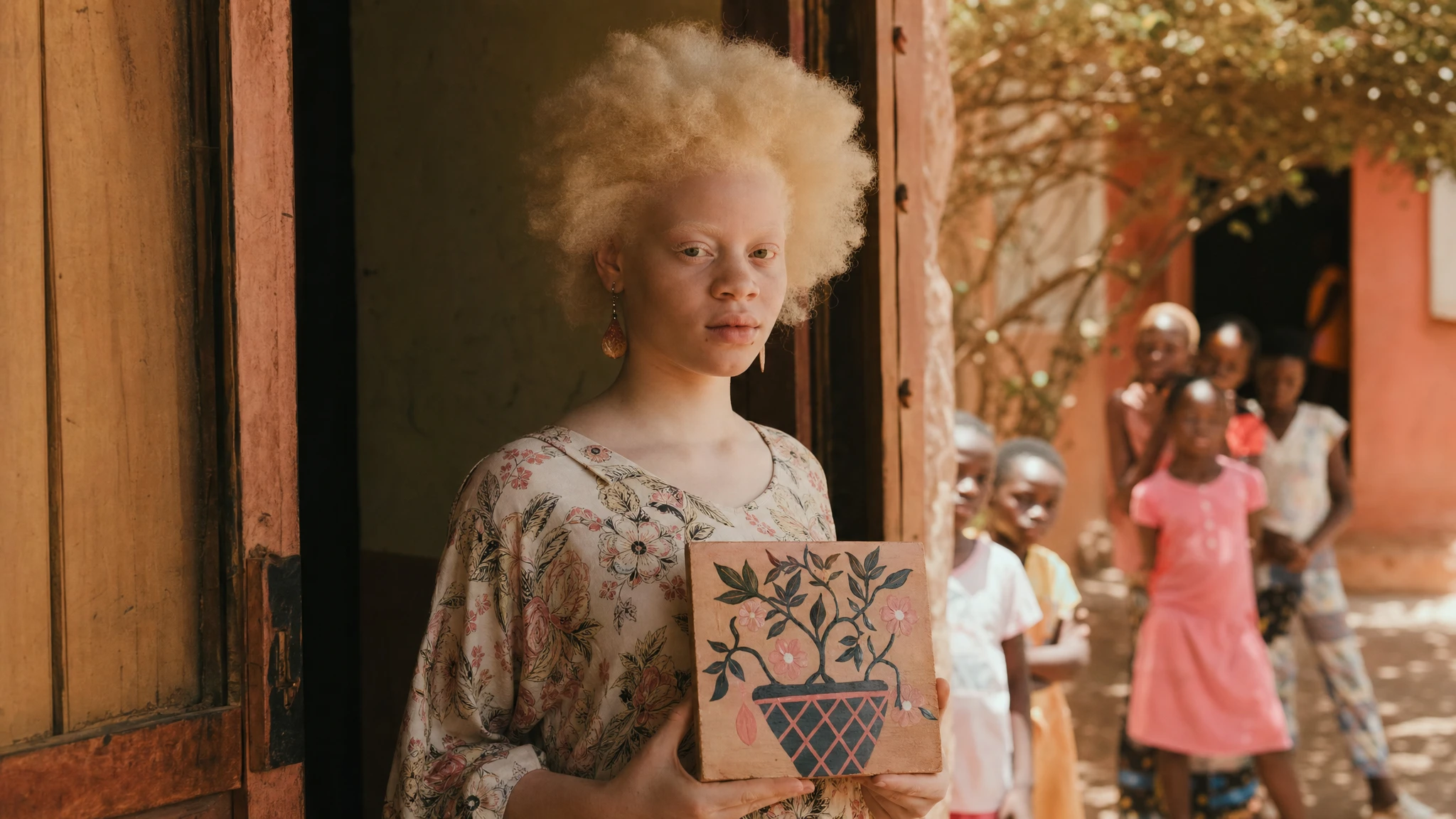
Observed every year on 13 June, International Albinism Awareness Day marks a United Nations occasion to recognise the rights of people with albinism worldwide.
Every 13 June, the United Nations observes International Albinism Awareness Day — a date set aside to recognise the rights, dignity, and lived experiences of people with albinism around the world.
The day was established by the UN General Assembly in 2014, according to the National Day Calendar, following years of advocacy by organisations and individuals working to address discrimination, violence, and social exclusion faced by people with albinism.
The 2026 observance falls on a Saturday. Communities, organisations, and advocates across more than 150 countries are expected to mark the occasion with events, campaigns, and calls for stronger legal protections.
For the albinism community, the date carries particular weight in Sub-Saharan Africa, where people with albinism continue to face ritual attacks and killings, according to documented reporting by the United Nations human rights office. The day offers a focal point for local groups to speak publicly and for governments to be held to account.
International Albinism Awareness Day 2026 arrives at a moment when conversations about sunscreen access, inclusive education, and anti-discrimination law are active in multiple countries. The date does not resolve those questions — but it creates a shared moment around which pressure, visibility, and community can gather.
Keywords
Core topics and entities mentioned in this summary.