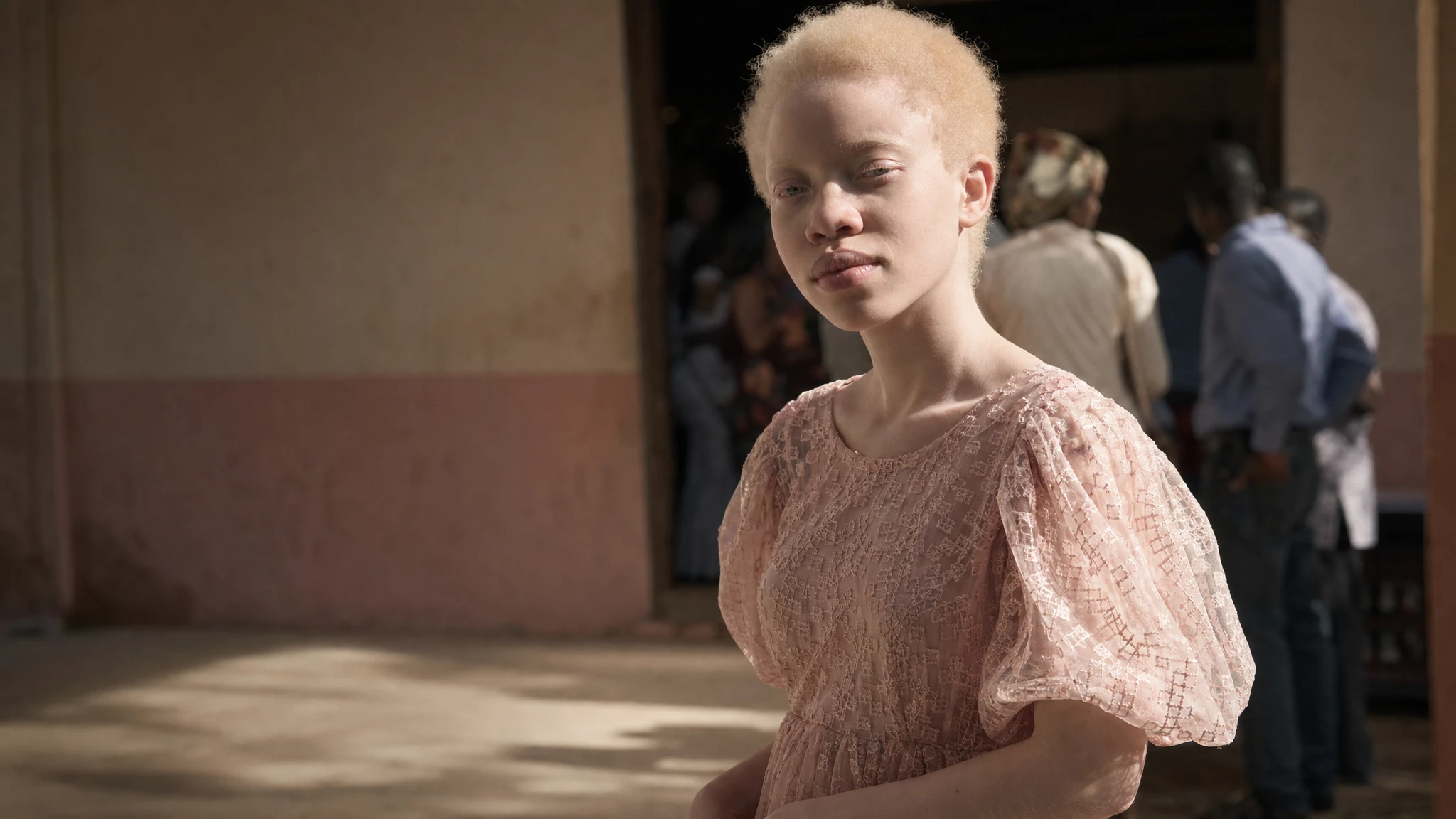
The South African government recognised International Albinism Awareness Day on 13 June 2024, drawing attention to the rights and dignity of people with albinism.
Every year on 13 June, the United Nations observes International Albinism Awareness Day — a date the South African government marked publicly in 2024 through an official statement published on gov.za.
The day was established by the UN General Assembly in 2014, according to the United Nations, following years of advocacy led by organisations representing people with albinism across Africa and beyond. It has since become a focal point for governments, civil society groups, and communities to address discrimination, violence, and the everyday barriers people with albinism face.
South Africa's Department of Women, Youth and Persons with Disabilities acknowledged the occasion, signalling the government's formal recognition of albinism as a disability rights issue under national policy. The statement, published on the government's official portal, placed albinism within the broader framework of constitutional rights and human dignity that South Africa's disability agenda is built on.
The 2024 theme set by the United Nations was "Inclusion is Strength" — a framing that centres participation and belonging rather than protection alone. The theme was chosen to reflect the contributions people with albinism make to their communities when structural barriers are removed.
For people with albinism in South Africa, those barriers remain concrete. Access to sunscreen and low-vision aids is inconsistent across the public health system, according to advocacy organisations working in the country. In rural areas particularly, the cost and availability of high-SPF sun protection continues to be a gap that the health system has not fully closed.
The day also carries weight because of what happens elsewhere on the continent. In several Sub-Saharan African countries, people with albinism face targeted attacks driven by the false belief that their body parts carry magical properties. South Africa has been largely spared this specific form of violence, but community organisations here have long argued that awareness and education remain essential tools against stigma in all its forms.
International Albinism Awareness Day does not resolve those realities in a single afternoon. What it does is mark them — publicly, officially, and on record.
Keywords
Core topics and entities mentioned in this summary.