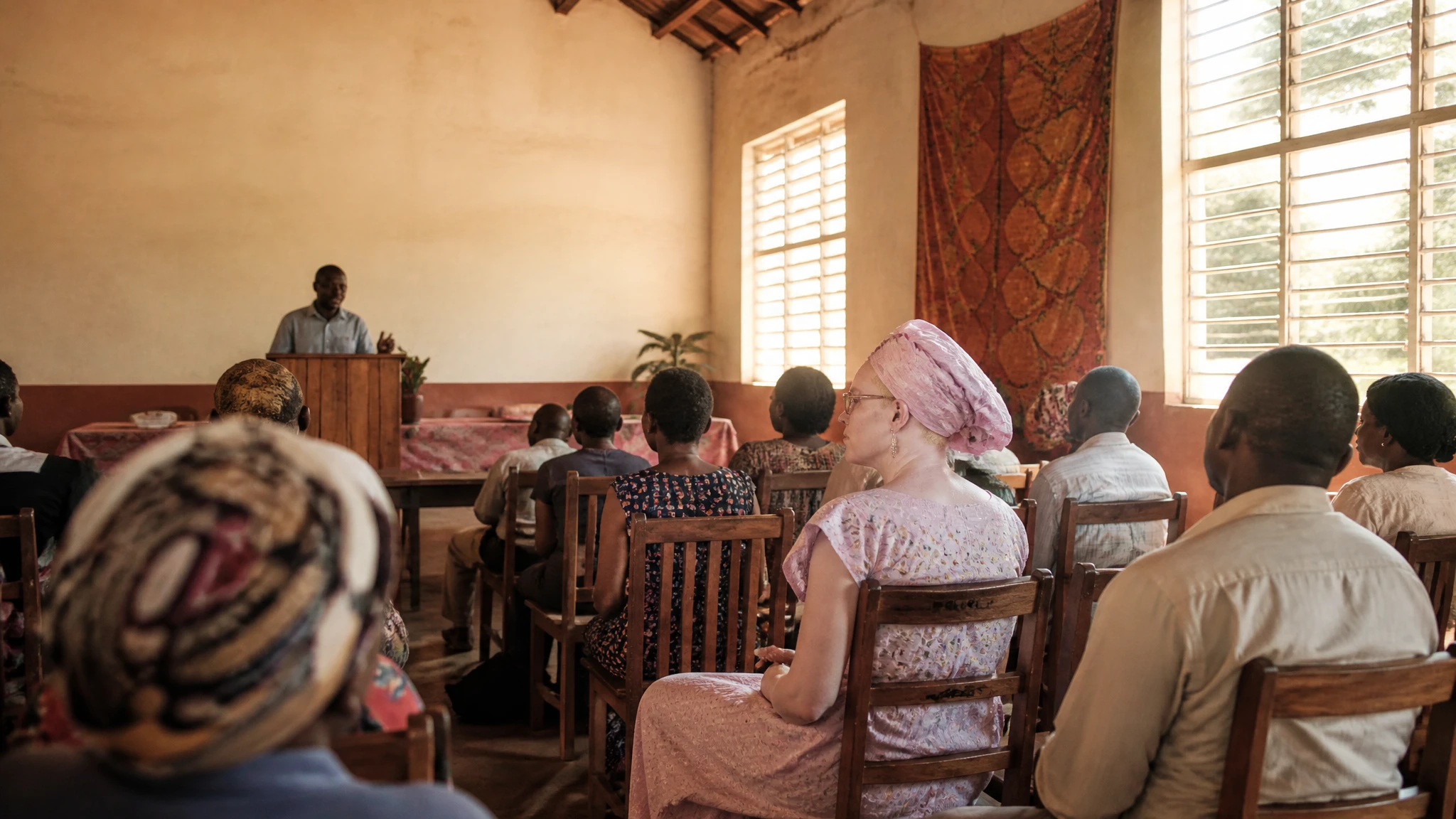
At a national event in Harare, First Lady Auxillia Mnangagwa spoke directly about the stigma facing people with disabilities, including those with albinism. Her remarks centred on family acceptance and community belonging.
A room of caregivers, activists, and people with disabilities gathered in Harare recently to hear Zimbabwe's First Lady address something families rarely discuss in public: the shame that attaches itself to disability within households and communities.
According to The Herald, Auxillia Mnangagwa used the platform to call on families to embrace relatives with disabilities rather than hide or exclude them. She spoke specifically about the damage that stigma causes — not only to individuals, but to the fabric of family life.
The Herald reported that her remarks included people with albinism among the groups she named. In Zimbabwe, people with albinism face a particular form of stigma: superstitions that mark them as different, less capable, or — in some communities — associated with ill omens. The First Lady's public naming of this group, at a national event, represents a departure from vague disability language.
The event, as reported by The Herald, was framed around love and acceptance as practical commitments rather than sentiments. Mnangagwa called on parents and extended family members to treat children with disabilities as full members of their households — with education, healthcare, and dignity as expectations, not exceptions.
A message with limits
Public statements from heads of state or their spouses carry weight in settings where government endorsement shapes social norms. The Herald noted that the First Lady has made disability inclusion a recurring theme in her public engagements.
What such statements can and cannot do is a question the community knows well. Words spoken at a formal event do not automatically change how a family in a rural district treats a child with albinism, or whether a school in a small town makes space for a student with low vision. Structural change — legislation, enforcement, funding — moves more slowly than a speech.
Still, in a country where people with albinism have faced both social exclusion and physical danger, a sitting head of state's spouse using a public stage to name the problem specifically is a moment the community will register.
The Herald's report did not include policy commitments or timelines attached to the remarks. What was recorded is the direction of the message: toward families, and toward the idea that acceptance begins at home.
Keywords
Core topics and entities mentioned in this summary.