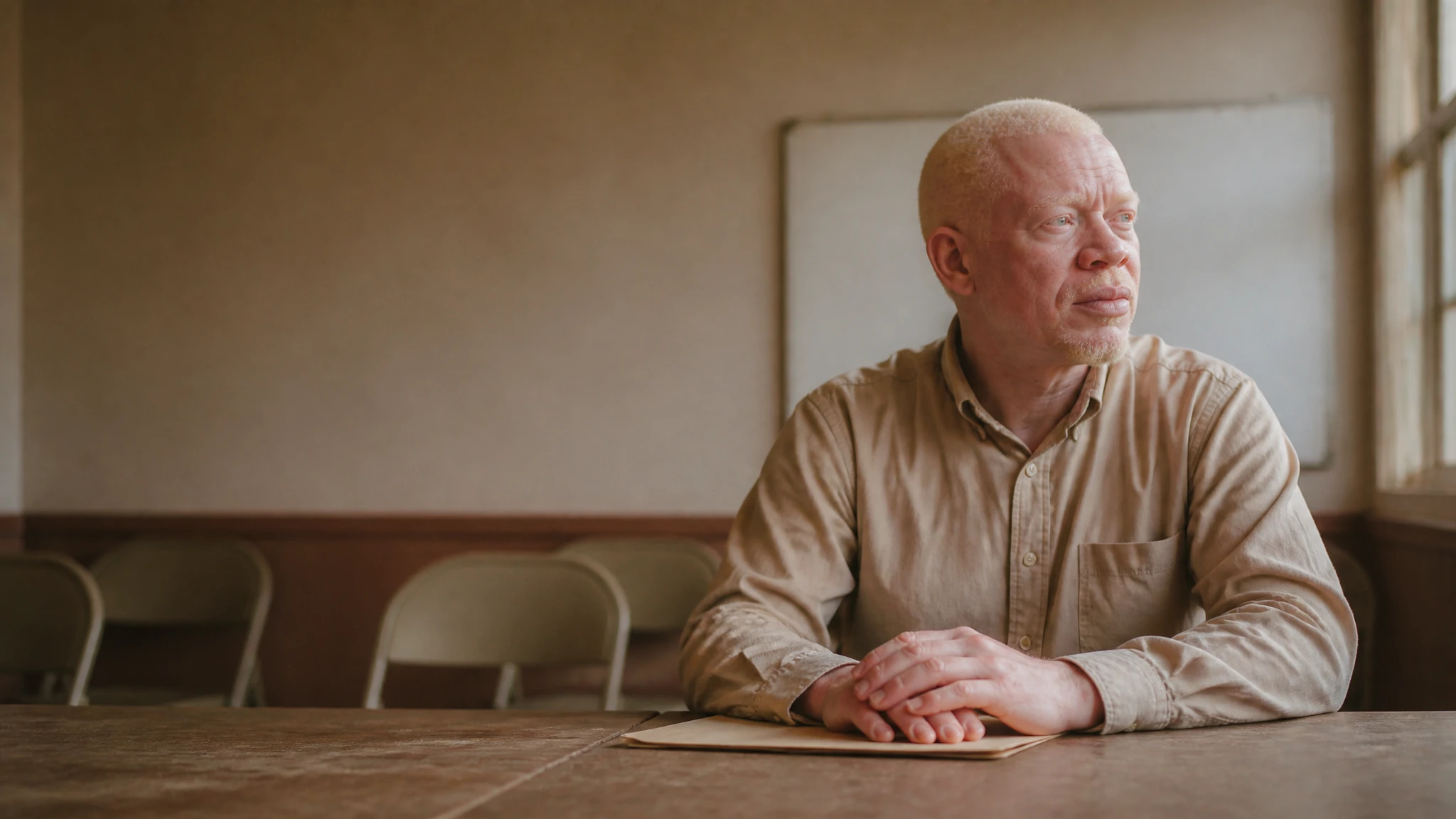
A regional disability rights committee has found in favour of a person with albinism who was attacked, in a ruling that sets a legal precedent for the community.
A committee established to protect the rights of people with disabilities has issued a formal ruling in favour of a person with albinism who survived a violent attack. The Office of the United Nations High Commissioner for Human Rights reported the decision, describing it as a significant step toward legal accountability for violence targeting people with albinism.
The case was brought before the Committee on the Rights of Persons with Disabilities, which determined that the state in question had failed in its obligations to protect the complainant. According to the OHCHR, the committee found that the attack — motivated by the victim's albinism — constituted a violation of rights guaranteed under the Convention on the Rights of Persons with Disabilities.
The Independent Expert on the enjoyment of human rights by persons with albinism welcomed the ruling. The Expert noted that people with albinism are frequently targeted for their physical appearance, and that legal systems in many countries have been slow to treat such attacks as hate crimes or disability-based violence deserving of full state protection.
The committee's decision calls on the state to provide adequate reparation to the victim and to review domestic legislation to ensure it meets international human rights standards. The OHCHR reported that the ruling also urges authorities to investigate attacks against people with albinism more thoroughly and to bring perpetrators to justice.
What the ruling means
This decision adds to a small but growing body of international jurisprudence affirming that violence against people with albinism falls within the scope of disability rights law. The OHCHR noted that the Convention on the Rights of Persons with Disabilities provides a legal framework that can be used to hold states accountable when they fail to prevent or prosecute such attacks.
For advocates who have spent years documenting killings, amputations, and abductions — particularly in parts of Sub-Saharan Africa, where the belief that body parts of people with albinism carry magical properties persists — the ruling represents a formal legal tool. The Independent Expert has previously stated that these attacks amount to severe human rights violations and has called for dedicated national action plans.
The OHCHR did not name the country involved in this specific case or publish the full text of the ruling in the summary reviewed for this report.
Rulings of this kind are rarely swift, and rarely simple. But each one leaves a record — a finding that a state fell short, and that the person harmed deserved better from the law.
Keywords
Core topics and entities mentioned in this summary.