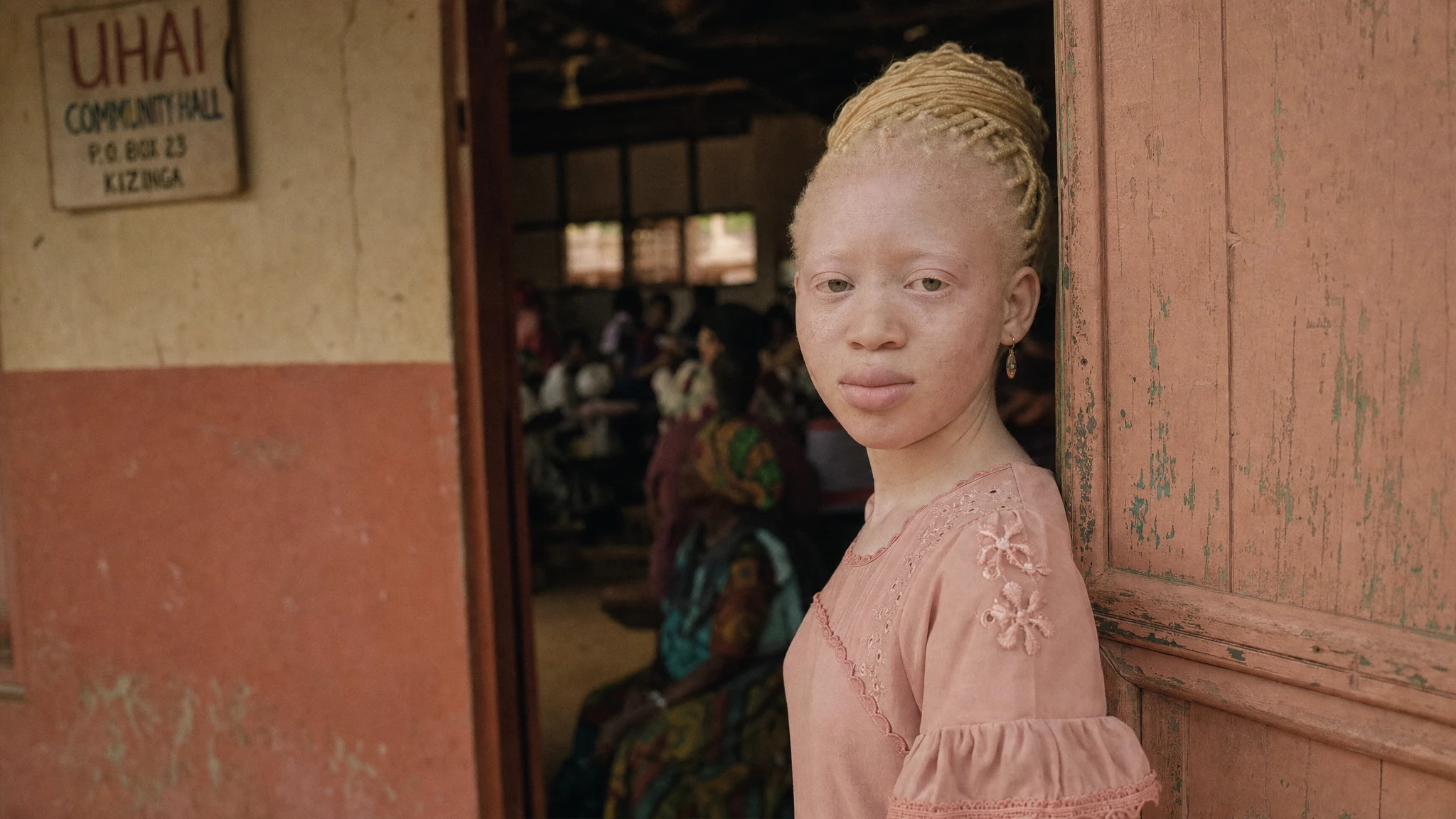
Advocates across the Pacific are pressing for stronger protections as discrimination against people with albinism remains widespread and largely unaddressed.
A headline from FBC News carries a short, unambiguous demand: end discrimination against people with albinism. The report offers no elaborate framing — just a signal that pressure is building.
FBC News reported that calls are growing for action against discrimination targeting people with albinism. The outlet did not specify a single event as the catalyst, but the language of the report suggests an accumulation — advocates and community members making the same point, repeatedly, until it becomes a story.
Discrimination against people with albinism takes many forms. It can be social exclusion in schools and workplaces. It can be harmful myths that treat albinism as a curse or a source of magical power. In some regions, according to human rights organisations including Under The Same Sun, it has meant physical violence.
The FBC News report did not detail specific incidents or legislative proposals. What it did record is that the demand for change is becoming louder and harder to ignore.
Why this holds weight
For communities where albinism is still poorly understood, public calls for an end to discrimination do measurable work. They name the problem plainly. They signal to people with albinism that they are not arguing alone.
The framing matters too. Discrimination is a structural word. It points not at individual cruelty but at systems — in law, education, healthcare, and culture — that fail people with albinism consistently and predictably. That is the problem advocates are naming.
FBC News covers the Pacific region, where albinism-related stigma has been documented in Melanesian communities. The report does not specify which country or community the calls are coming from, and that lack of detail is worth noting: it limits how precisely the story can be placed and assessed.
What remains clear is the direction of the conversation. People with albinism, and those working alongside them, are asking for something specific — not sympathy, not awareness ribbons, but an end to discrimination as a fact of daily life.
That ask is neither new nor complicated. It is simply still necessary.
Keywords
Core topics and entities mentioned in this summary.