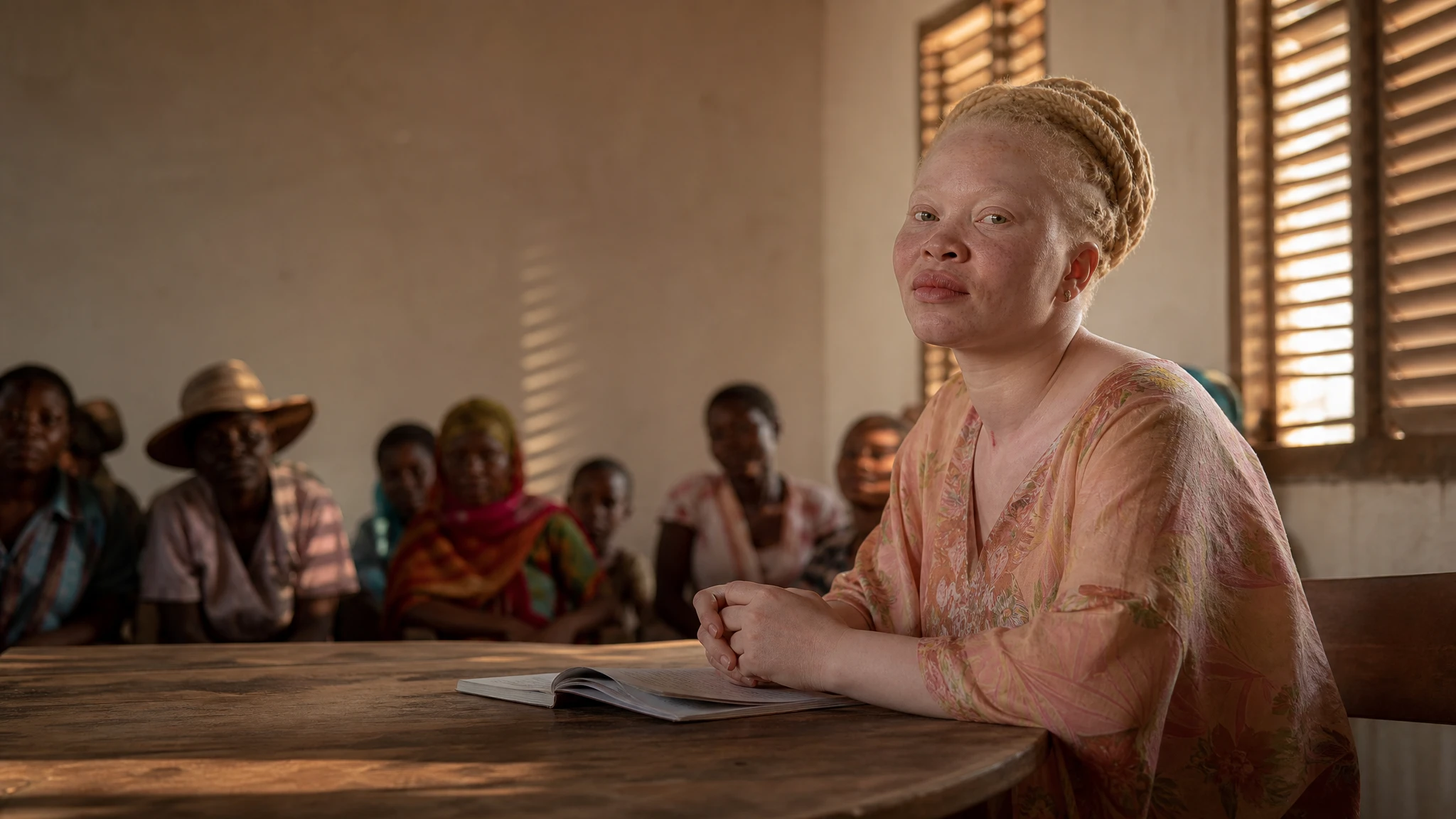
The UN Independent Expert on albinism visited Madagascar in late September 2022, gathering evidence on the rights of people with albinism there.
A formal call for submissions arrived ahead of a country visit that few outside the human rights community would have noticed. The UN Independent Expert on the enjoyment of human rights by persons with albinism conducted an official mission to the Republic of Madagascar from 20 to 30 September 2022.
Before the visit, the Office of the United Nations High Commissioner for Human Rights issued an open invitation for inputs. Governments, civil society organisations, researchers, and people with albinism in Madagascar were asked to contribute testimony, data, and documentation that could inform the Independent Expert's findings on the ground.
What the mission was designed to do
The Independent Expert role exists to monitor, report, and make recommendations on the specific human rights situation facing people with albinism worldwide, according to the OHCHR. Country missions are one of the primary tools the mandate uses — they allow the Expert to meet directly with affected individuals, local authorities, and advocacy groups before presenting findings to the UN Human Rights Council.
Madagascar has been a country of concern for the albinism community for some years. People with albinism in parts of the country have faced targeted attacks driven by the belief that their body parts hold ritual or commercial value, according to previous UN documentation. The September 2022 mission represented a formal step toward placing those concerns within the UN's accountability framework.
Why inputs matter
The call for submissions is not procedural formality. The Independent Expert's conclusions, and any recommendations directed at the Madagascan government, are shaped in part by the evidence gathered before and during the visit. Organisations working on the ground, and people with albinism willing to share their experiences, contribute directly to what the mandate can say — and how firmly it can say it.
The OHCHR emphasised that inputs from people with lived experience of albinism in Madagascar were particularly sought.
The findings from the mission would later be presented in a formal report to the Human Rights Council, according to standard mandate procedure.
Keywords
Core topics and entities mentioned in this summary.