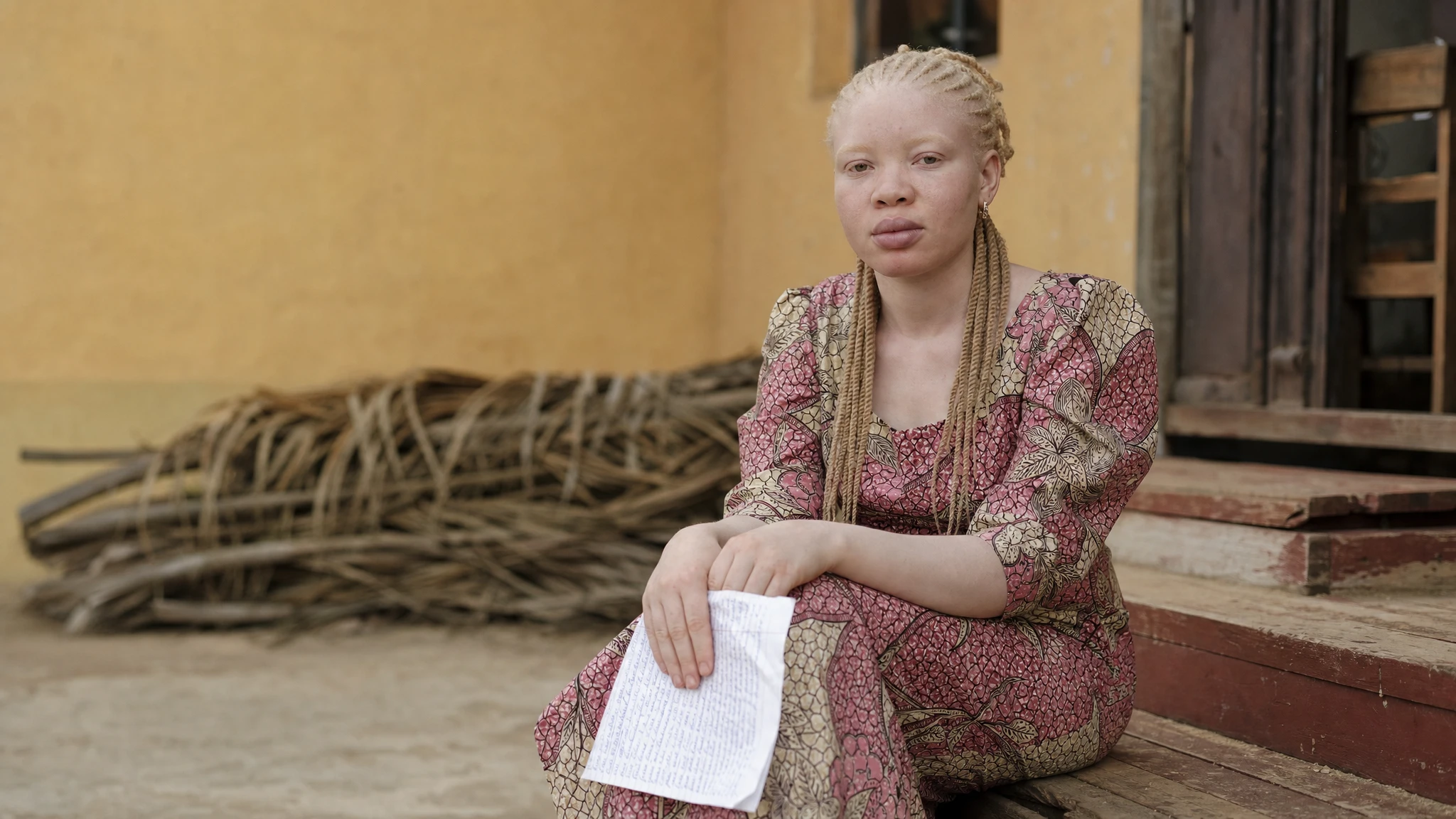
An estimated two million Nigerians live with albinism, yet many face daily discrimination, limited healthcare access, and social exclusion. LEADERSHIP Newspapers reports.
A child born with albinism in Nigeria often enters a world that has already decided what to make of her. She may be hidden, withdrawn from school, or turned away from clinics that carry no sunscreen on their shelves.
LEADERSHIP Newspapers reports that an estimated two million Nigerians live with albinism, making the country home to one of the largest populations with the condition in the world. Despite those numbers, the community remains largely absent from national health planning, education policy, and public conversation.
The paper reports that people with albinism in Nigeria face compound disadvantages. Sunscreen, which clinicians recommend as a daily necessity to reduce the risk of skin cancer, is classified as a cosmetic product in Nigeria rather than a medical one. That classification keeps it out of public health budgets and beyond the financial reach of many families, according to the report.
Vision impairment compounds the difficulty. Most people with albinism experience significant photosensitivity and reduced visual acuity, conditions that require specialist optical support. LEADERSHIP reports that such support is rarely available in public hospitals, particularly outside Lagos and Abuja.
Discrimination begins early
The newspaper documents how stigma often surfaces first in the family home. Some children with albinism are rejected at birth, and others are raised with the understanding that they are, in some communities, considered a source of misfortune. This shapes school attendance, social confidence, and, eventually, economic participation.
Advocacy organisations quoted in the article note that awareness campaigns have reached some urban communities, but rural areas remain largely untouched. Teachers in those areas often have no guidance on how to support a child with low vision in a standard classroom.
LEADERSHIP also flags the absence of albinism-specific data within Nigeria's national health surveys. Without disaggregated figures, the report notes, it is difficult to measure outcomes or direct resources effectively.
What advocates are asking for
Organisations working with the community, as cited by the newspaper, are calling for three specific changes: the reclassification of sunscreen as a medical product eligible for subsidy; the inclusion of albinism in teacher-training curricula; and the collection of disaggregated health data at the federal level.
The article notes that Nigeria ratified the UN Convention on the Rights of Persons with Disabilities in 2010, a framework that obligates the state to address barriers in healthcare and education. Implementation, advocates told the paper, has been slow.
Two million is not an invisible number. It is simply a number that has not yet been looked at squarely.
Keywords
Core topics and entities mentioned in this summary.