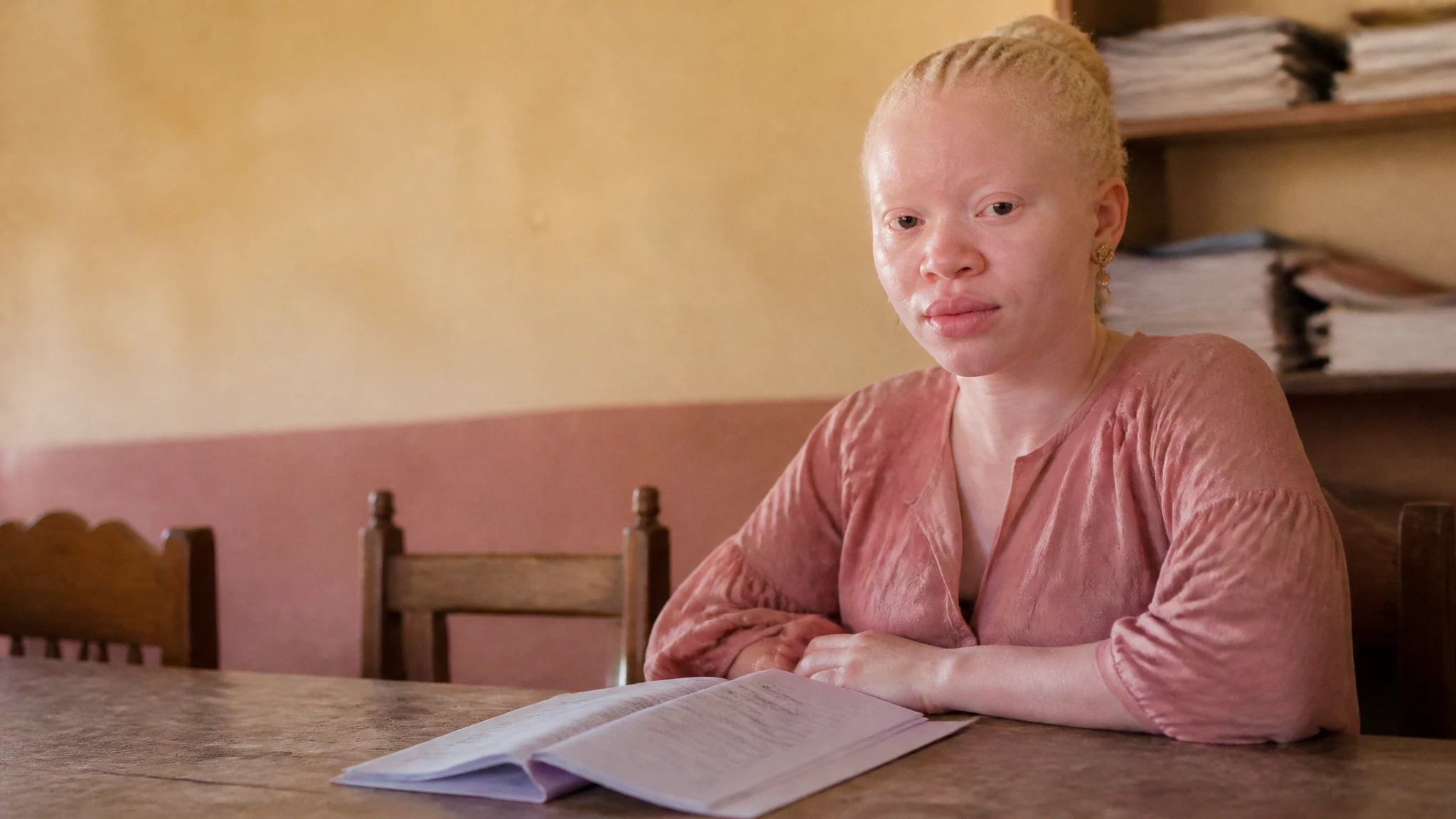
The UN Human Rights Office has compiled a detailed account of the threats, exclusions, and killings faced by people with albinism across Africa.
A child's limb. A mother's grave. A community that moves at night to avoid being seen. The UN Human Rights Office (OHCHR) has documented these realities in its overview of albinism in Africa — a record of what happens when myth is allowed to shape policy, medicine, and violence.
Across Sub-Saharan Africa, people with albinism face what OHCHR describes as a pattern of serious human rights violations. These include killings, abductions, and the removal of body parts, driven by beliefs that those parts carry magical properties. OHCHR reports that such attacks have been recorded in more than 25 African countries, with Tanzania and Malawi among those most heavily documented.
The violations are not only physical. OHCHR notes that people with albinism face discrimination in schools, exclusion from health services, and barriers to employment. Children with albinism are, according to the office, disproportionately placed in residential institutions — separated from family not because of need, but because of stigma.
Health and visibility
The sun is a daily medical reality for people with albinism. OHCHR points out that, without melanin to protect the skin, people with albinism in Africa face extremely high rates of skin cancer. Access to sunscreen, protective clothing, and dermatological care remains limited across much of the continent, the office reports. Skin cancer is listed as one of the leading causes of early death among people with albinism in the region.
Vision impairment is also common. OHCHR notes that most people with albinism have significant visual impairment that is rarely accommodated in schools or workplaces — compounding the exclusion that discrimination already creates.
Defenders under pressure
Activists working to protect the rights of people with albinism face risks of their own. OHCHR has recorded cases in which people speaking out publicly about attacks were themselves threatened. The office identifies a gap between laws that exist on paper and enforcement that happens in practice — a gap in which perpetrators of attacks on people with albinism frequently go unprosecuted.
The OHCHR overview calls on governments to strengthen legal frameworks, ensure access to healthcare, and support the people and organisations working inside affected communities. It also calls for the meaningful inclusion of people with albinism in the decisions that shape their own lives.
The document exists because the pattern is too consistent, and too serious, to leave unrecorded.
Keywords
Core topics and entities mentioned in this summary.