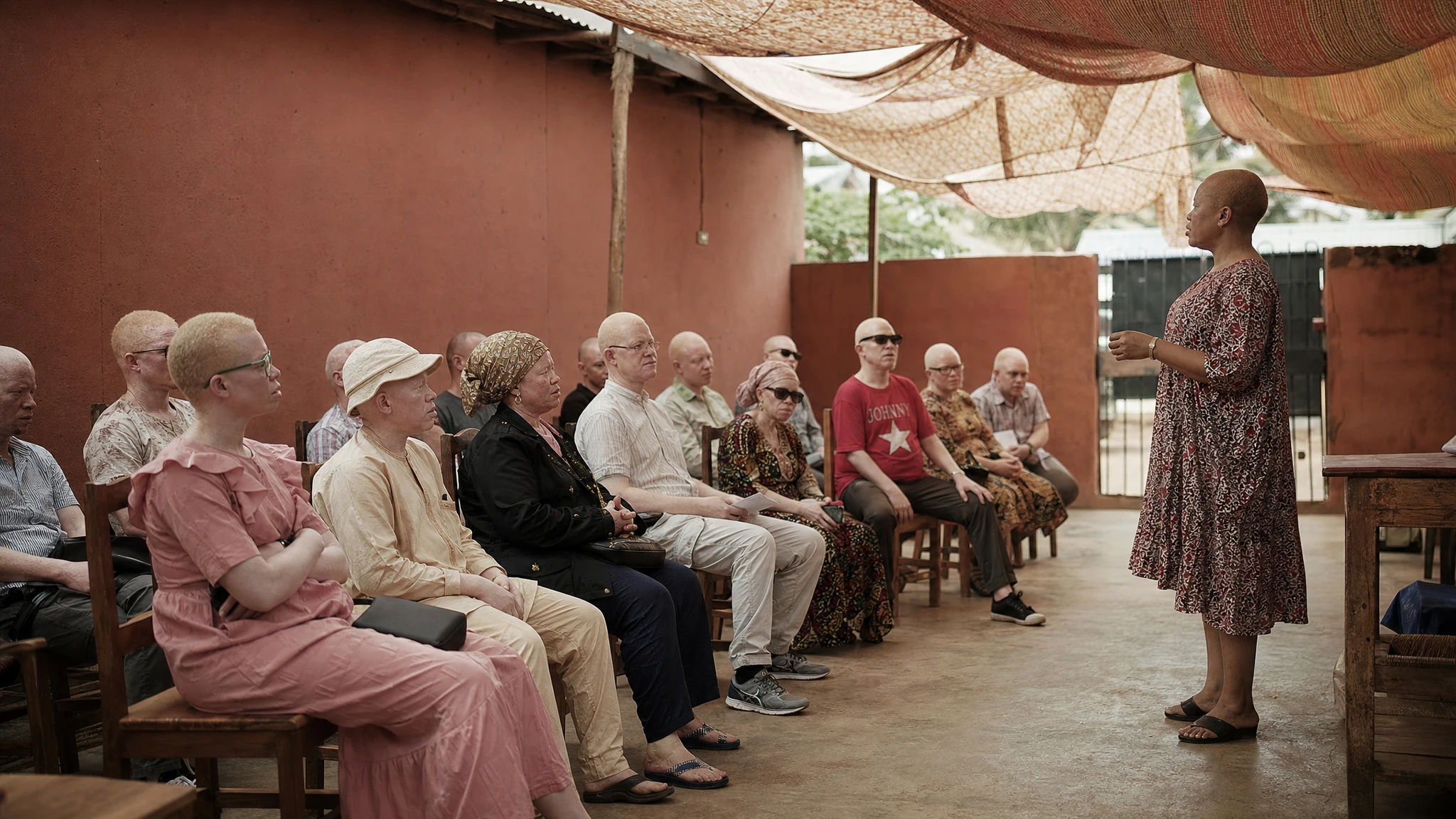
On World Albinism Awareness Day, Nigeria's First Lady urged protection and inclusion for people with albinism, citing persistent discrimination and unmet needs.
On 13 June, a podium in Nigeria carried a message that does not reach one often enough: people with albinism deserve protection, not pity.
Nigeria's First Lady used World Albinism Awareness Day to call publicly for the inclusion and protection of people with albinism in the country, according to The Nation Newspaper. The address marked the annual observance, held each year on 13 June under the auspices of the United Nations.
The Nation reported that the First Lady's remarks centred on the discrimination that people with albinism continue to face — in schools, in healthcare settings, and in daily public life. She called on government institutions and communities to move beyond awareness and toward concrete, structural change.
The appeal arrives at a moment when the situation for people with albinism across sub-Saharan Africa remains uneven. Access to sunscreen, low-vision aids, and shade in schools continues to vary sharply by region and income, according to ongoing documentation by civil society organisations working in the field.
World Albinism Awareness Day was first designated by the United Nations in 2014, following advocacy led by people with albinism and their allies across Africa. The day has since become a platform for governments, organisations, and individuals to make — and be held to — public commitments.
What a First Lady says at a podium does not automatically change policy. But public positioning by heads of state and their offices has historically shaped legislative agendas and budget allocations in ways that community campaigns alone cannot.
Keywords
Core topics and entities mentioned in this summary.