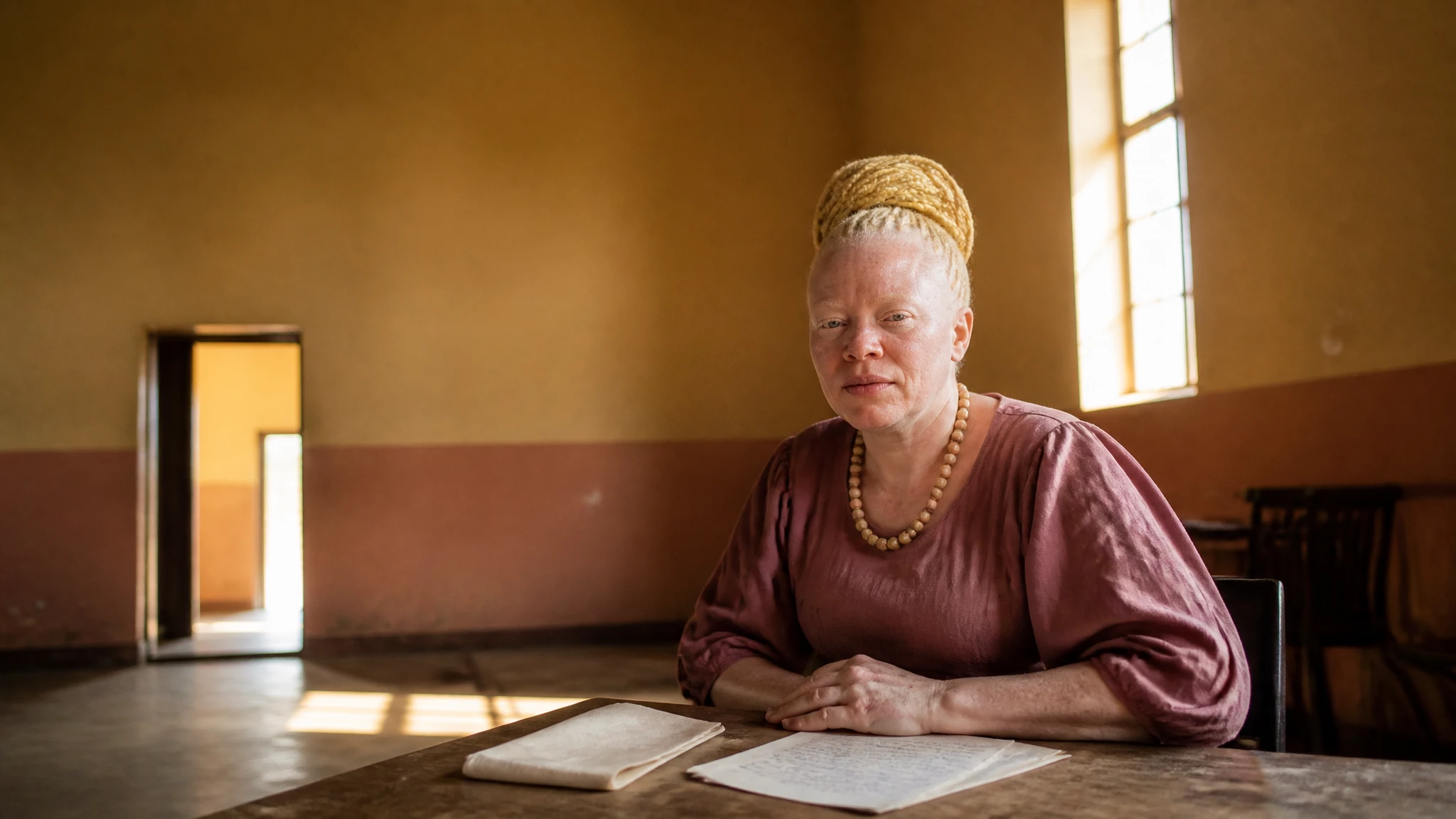
The UN Independent Expert on Albinism visited Lesotho and found significant gaps in legal protection, healthcare access, and safety for people with albinism.
A single document filed with the UN Human Rights Council carries the weight of what researchers and community members described to an official visitor: that in Lesotho, people with albinism navigate daily life without adequate legal protection, consistent healthcare, or reliable safety.
The report — formally titled A/HRC/58/57/Add.2 — was submitted by Muluka-Anne Miti-Drummond, the UN Independent Expert on the enjoyment of human rights by persons with albinism, following her country visit to Lesotho. It represents the most detailed international assessment of albinism-related rights conditions in the country to date.
What the visit examined
The Independent Expert's mandate, as established by the UN Human Rights Council, includes assessing national laws, policies, and practices that affect people with albinism. Country visits allow the Expert to gather testimony directly from individuals, civil society organisations, and government officials.
Lesotho, a small landlocked country in Southern Africa, sits at high altitude with intense UV exposure year-round — a condition that raises particular urgency around skin protection and eye care access for people with albinism. The report examines how the state is, or is not, meeting those needs.
Findings and recommendations
The full report, published by the Office of the UN High Commissioner for Human Rights (OHCHR), details the Expert's findings across several areas: legal frameworks, access to sunscreen and dermatological care, educational inclusion, and protection from ritual attacks and discrimination. Specific recommendations were addressed to the Lesotho government.
The OHCHR noted the report's submission to the 58th session of the Human Rights Council, where member states and civil society organisations would have the opportunity to respond.
Reports of this kind carry practical consequences. Past country visit reports by the Independent Expert — covering Malawi, Tanzania, and Côte d'Ivoire among others — have been cited in national policy reforms and used by local advocates to hold governments to account.
For the albinism community in Lesotho, the visit itself signals international attention at a moment when local structures remain thin. The report now enters the formal UN record.
Keywords
Core topics and entities mentioned in this summary.