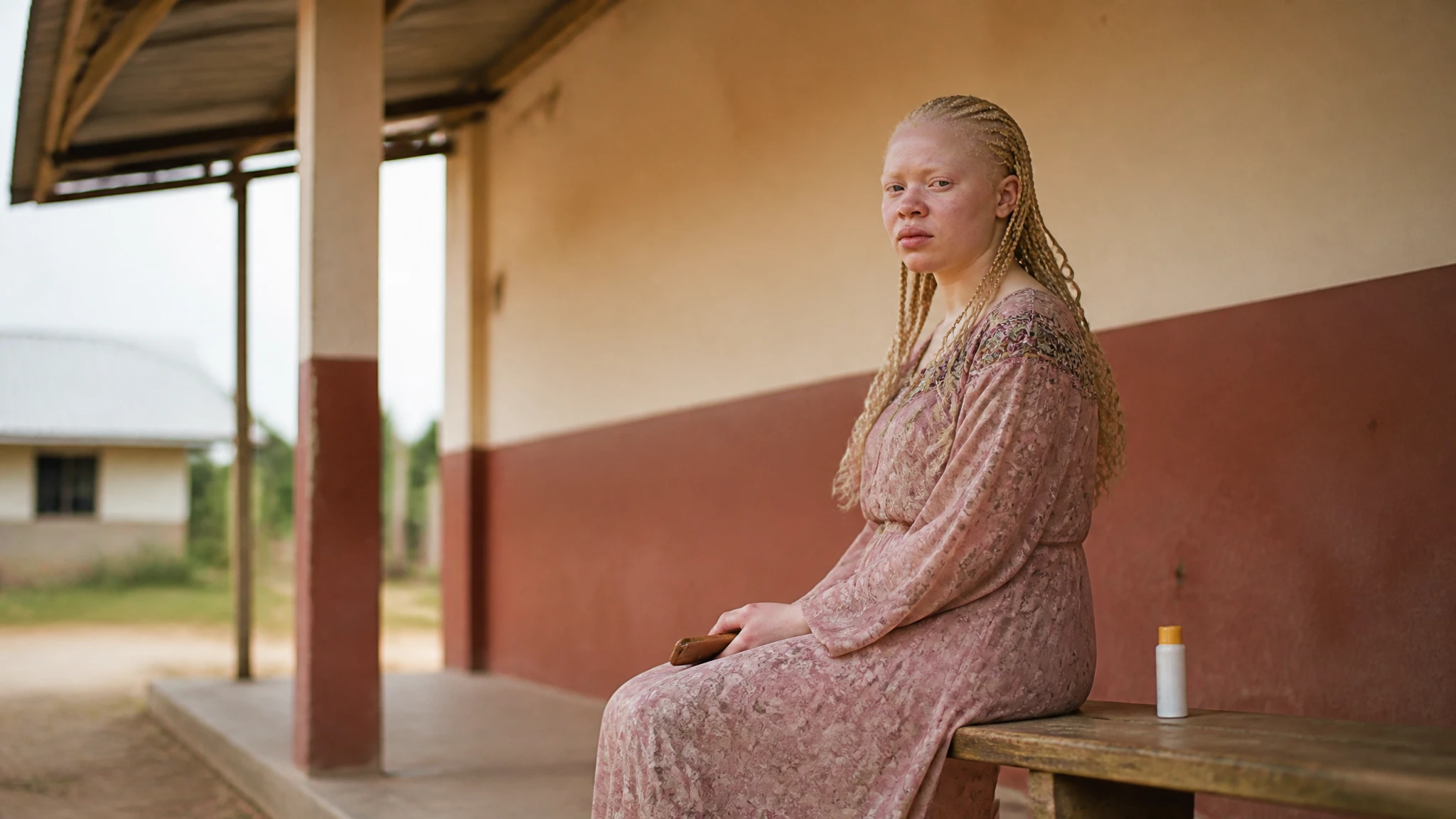
Officials in Abia, Nigeria, have called for regular skin cancer screening for people with albinism, citing their heightened vulnerability to UV-related disease.
A government official in Abia State, Nigeria, has called for monthly cancer screenings to be made available to people with albinism in the region, according to The Guardian Nigeria News.
The proposal centres on skin cancer — a condition that affects people with albinism at significantly higher rates than the general population, because reduced melanin provides little natural defence against ultraviolet radiation. In many parts of Nigeria, where sunscreen remains expensive and dermatological services are unevenly distributed, this vulnerability is compounded by limited access to preventive care.
The Guardian Nigeria News reported that officials framed the screening proposal as a public health measure, targeting a community that is both medically underserved and frequently exposed to high levels of sun. No specific funding source or implementation timeline was detailed in the report.
Why routine screening matters
Skin cancer detected early is, in most cases, treatable. For people with albinism in Sub-Saharan Africa, where average life expectancy has historically been shortened by sun-related illness, early detection programmes represent one of the most direct interventions available. Monthly screening, if resourced and delivered consistently, would mark a shift from reactive treatment toward planned prevention.
The call from Abia adds to a growing number of state-level initiatives across Nigeria acknowledging that people with albinism require targeted health infrastructure, not only legal protections.
Whether the proposal moves beyond a statement into funded policy will depend on engagement from Nigeria's health ministry and organisations already working on the ground with this community.
Keywords
Core topics and entities mentioned in this summary.