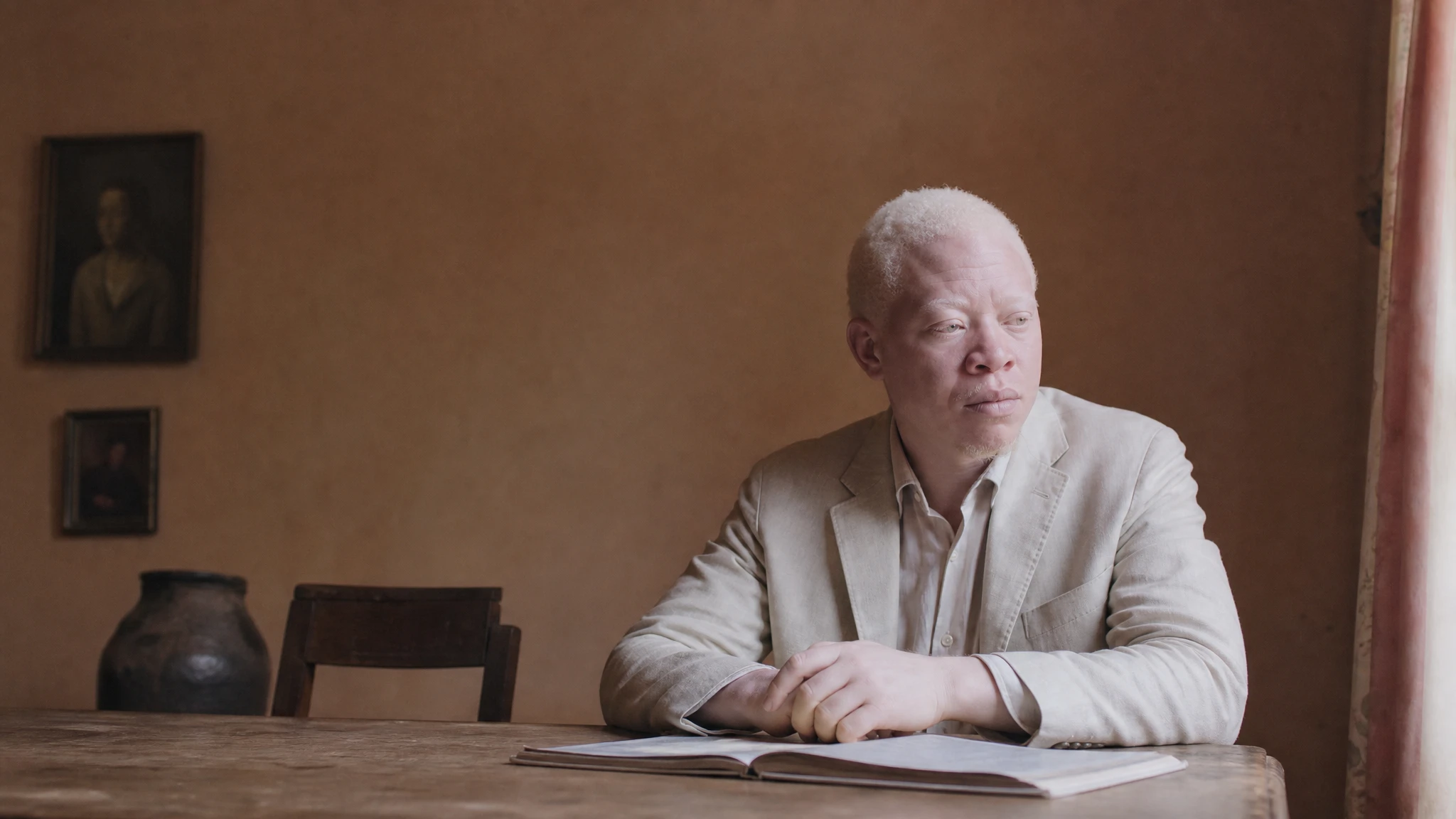
A report to the UN General Assembly details the discrimination, violence, and exclusion that people with albinism face across multiple regions. The findings call for coordinated legal and social protections.
The United Nations Office of the High Commissioner for Human Rights published report A/75/170, submitted by the Independent Expert on the enjoyment of human rights by persons with albinism to the 75th session of the General Assembly. The document surveys conditions faced by people with albinism across multiple regions and identifies where protections are absent or unenforced.
The report found that people with albinism continue to face overlapping forms of discrimination — on the basis of disability, race, and appearance — that compound one another in daily life. In many countries, the Independent Expert noted, no specific legal framework exists to address these overlapping vulnerabilities.
Attacks and physical safety
In parts of Sub-Saharan Africa, the report documented ongoing ritual attacks, killings, and the trafficking of body parts of people with albinism, driven by the false belief that those parts carry magical properties. Witch doctors and criminal networks are identified as the primary organising force behind this trade, according to the report.
The Independent Expert noted that prosecutions remain rare, and that in some jurisdictions police and judicial institutions have historically failed to treat such crimes as serious offences. Impunity, the report argued, sustains the threat.
Access to health and education
Beyond physical safety, the report addressed two other persistent gaps. On health, it found that access to sunscreen, protective clothing, and regular dermatological care is limited or non-existent for many people with albinism — particularly in low-income countries. Without consistent sun protection, people with albinism face significantly elevated rates of skin cancer, the report noted, and in many settings they die from it before the age of forty.
On education, the report documented how children with albinism are frequently excluded from mainstream schooling — either through bullying and stigma, or through the absence of visual aids and adapted learning environments they require. Many leave school early, the report found, narrowing their economic options for life.
The Independent Expert called on member states to adopt specific legislative protections for people with albinism, to invest in sunscreen and low-vision support as part of public health provision, and to prosecute attacks as serious human rights violations rather than routine crimes.
The report also noted the role of civil society organisations led by people with albinism in documenting abuses and pressing governments to act. It described their work as central to any durable progress — not supplementary to it.
Report A/75/170 is available in full through the OHCHR document portal and forms part of an ongoing series of thematic reports submitted to the General Assembly by the Independent Expert mandate.
Keywords
Core topics and entities mentioned in this summary.